

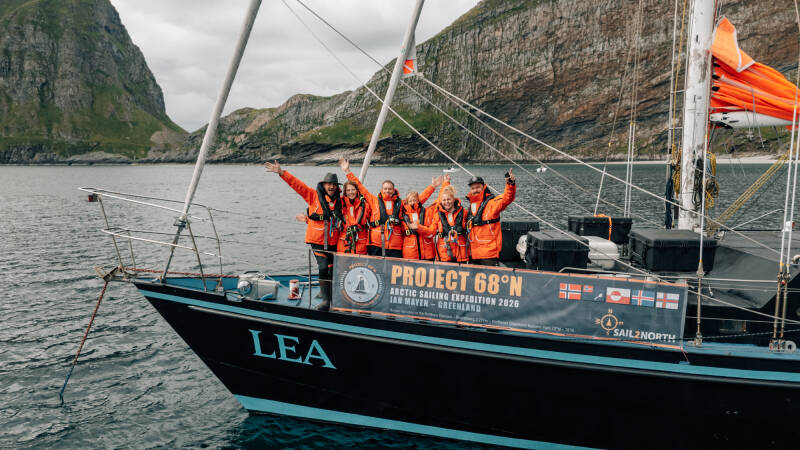
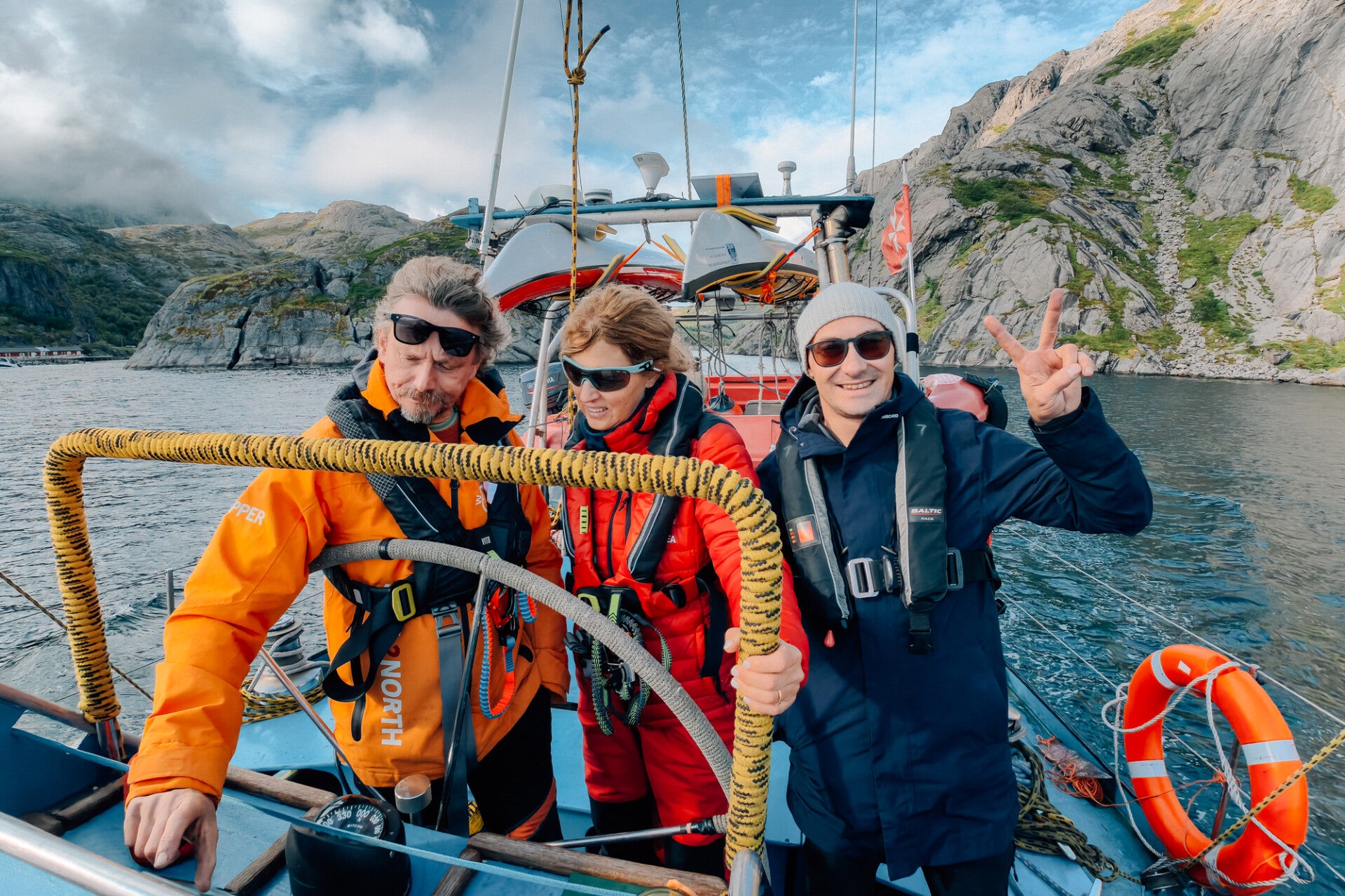
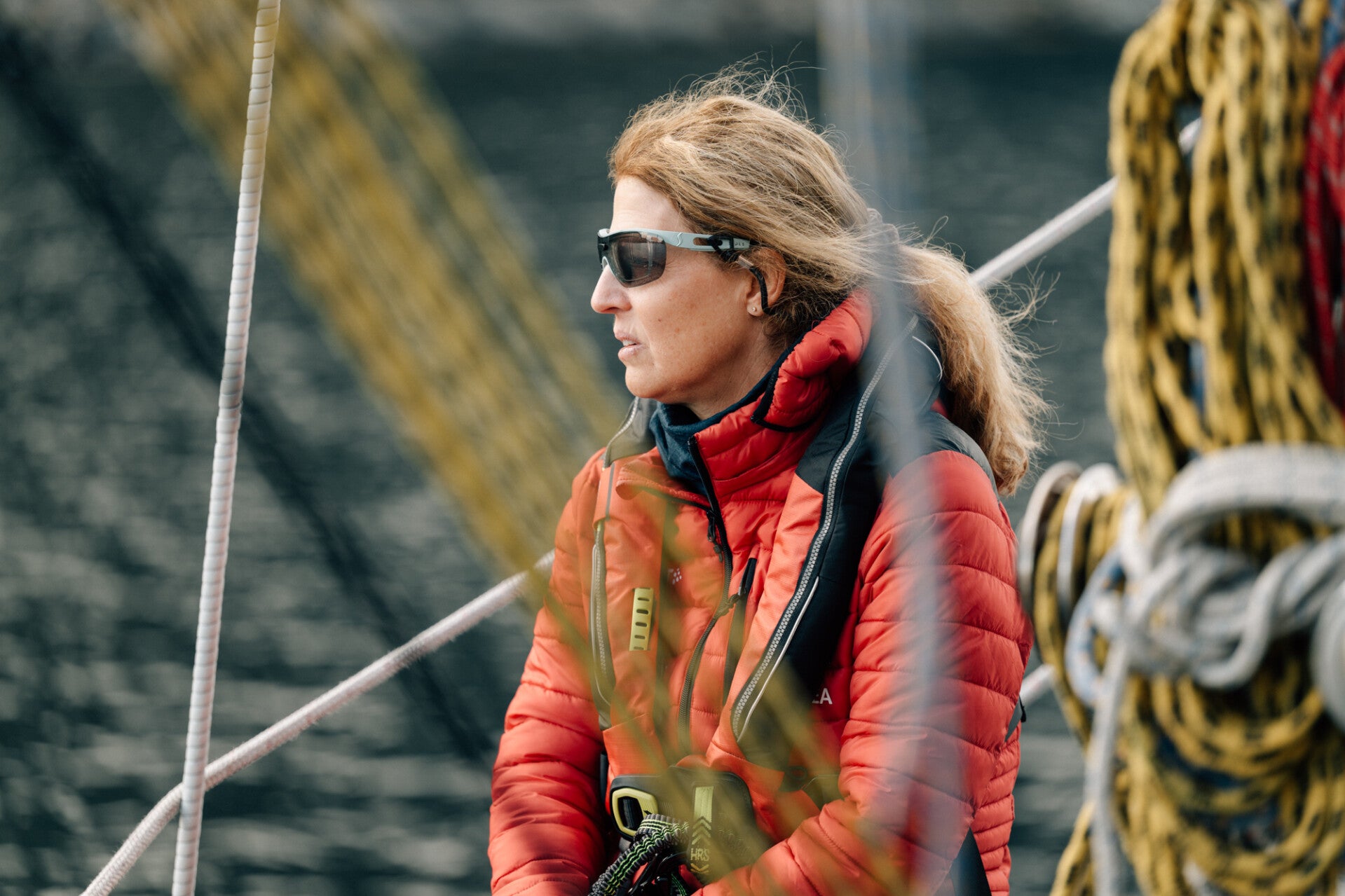
When we started our journey aboard LEA in Svolvær, we thought we knew what the next five weeks would look like. Our route would first take us through the Lofoten Islands before heading north towards Jan Mayen and Greenland. Nine people, one boat, very limited space and eventually almost complete isolation from the outside world. Part of PROJECT 68°N was always meant to be a social experiment: what happens when nine people live together in 60 square metres for weeks, far away from everyday life, with nowhere to simply walk away?
When Everything Changed
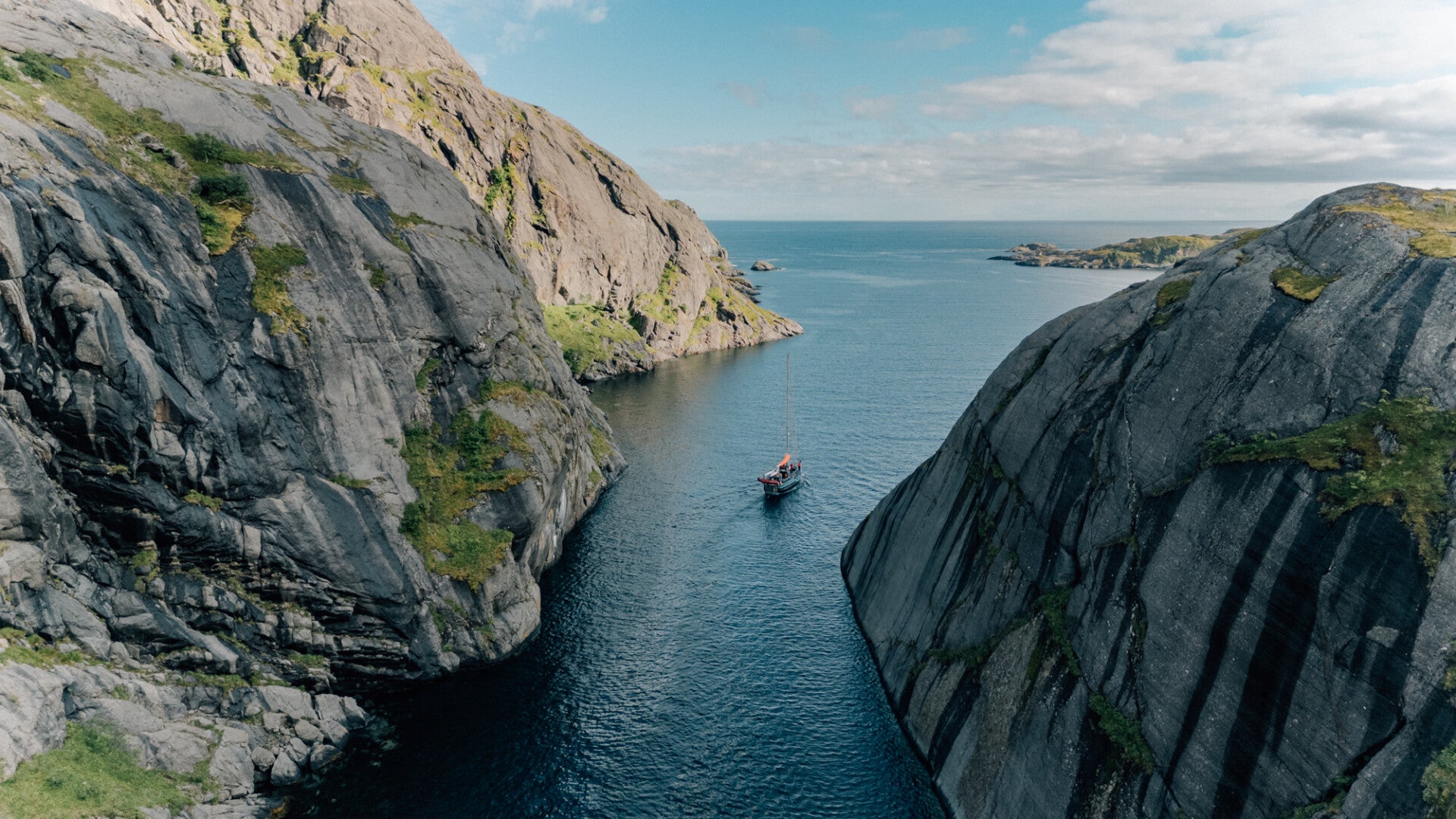
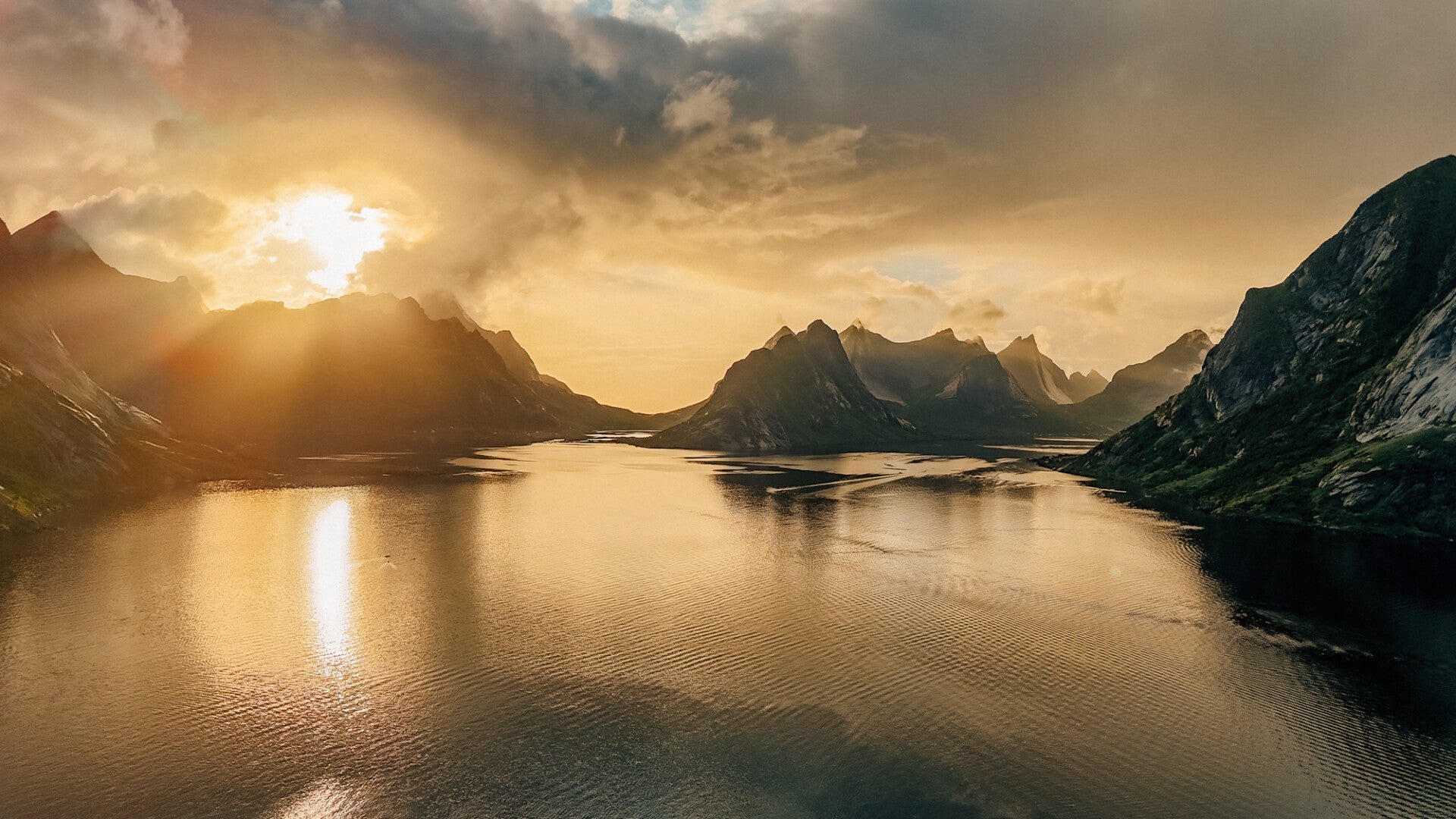
For the first few days, everything still went according to plan. From Svolvær we travelled through Trollfjorden and Falkfjorden, slowly settling into life aboard LEA and preparing ourselves for the much bigger journey ahead. We eventually returned to Svolvær, and on our eighth day everything changed. During the final preparations, a structural problem with the mast was discovered. That meant our expedition could not continue. Greenland and Jan Mayen were suddenly off the table. We could still use LEA carefully along the Norwegian coast under motor, but sailing and crossing the North Atlantic were no longer an option. The journey we had spent months preparing for was suddenly over before it had really begun.
The disappointment was huge, and for a while it was difficult to know what to do with it. We had all come for something completely different, and Norway, as beautiful as it is, could not simply replace Greenland. But instead of going home, we decided to keep moving and see what the days ahead would bring.
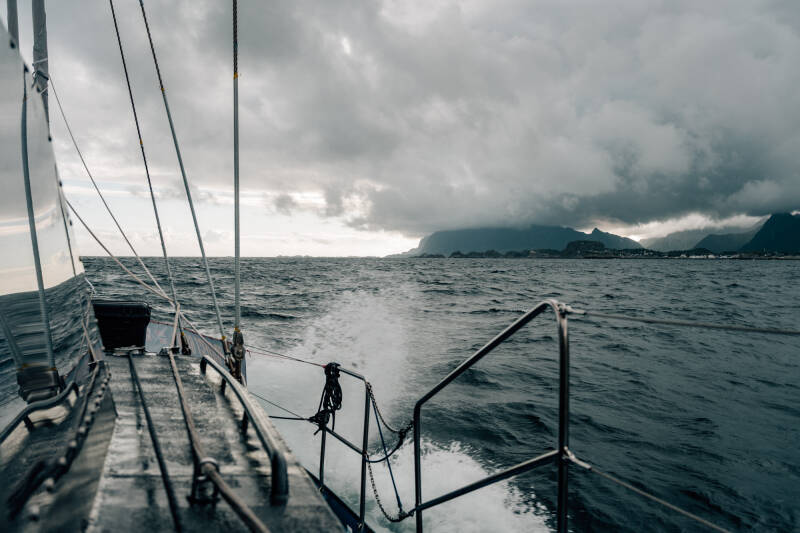
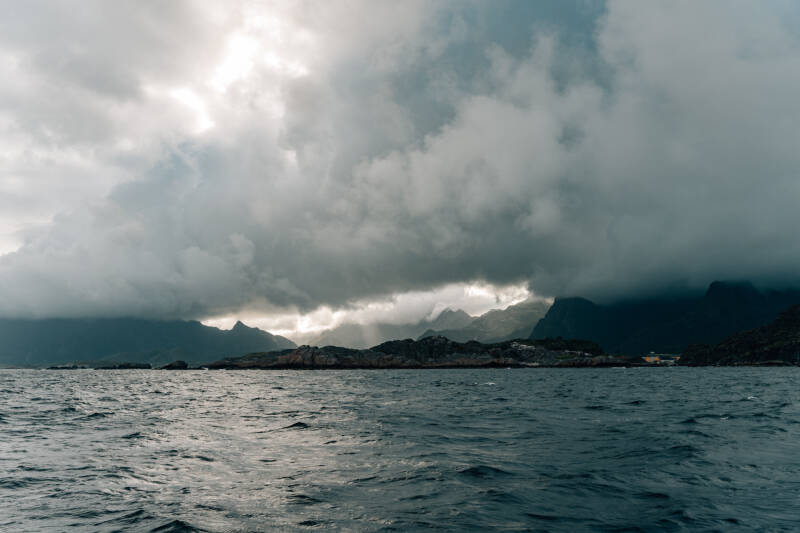
Finding a New Rhythm
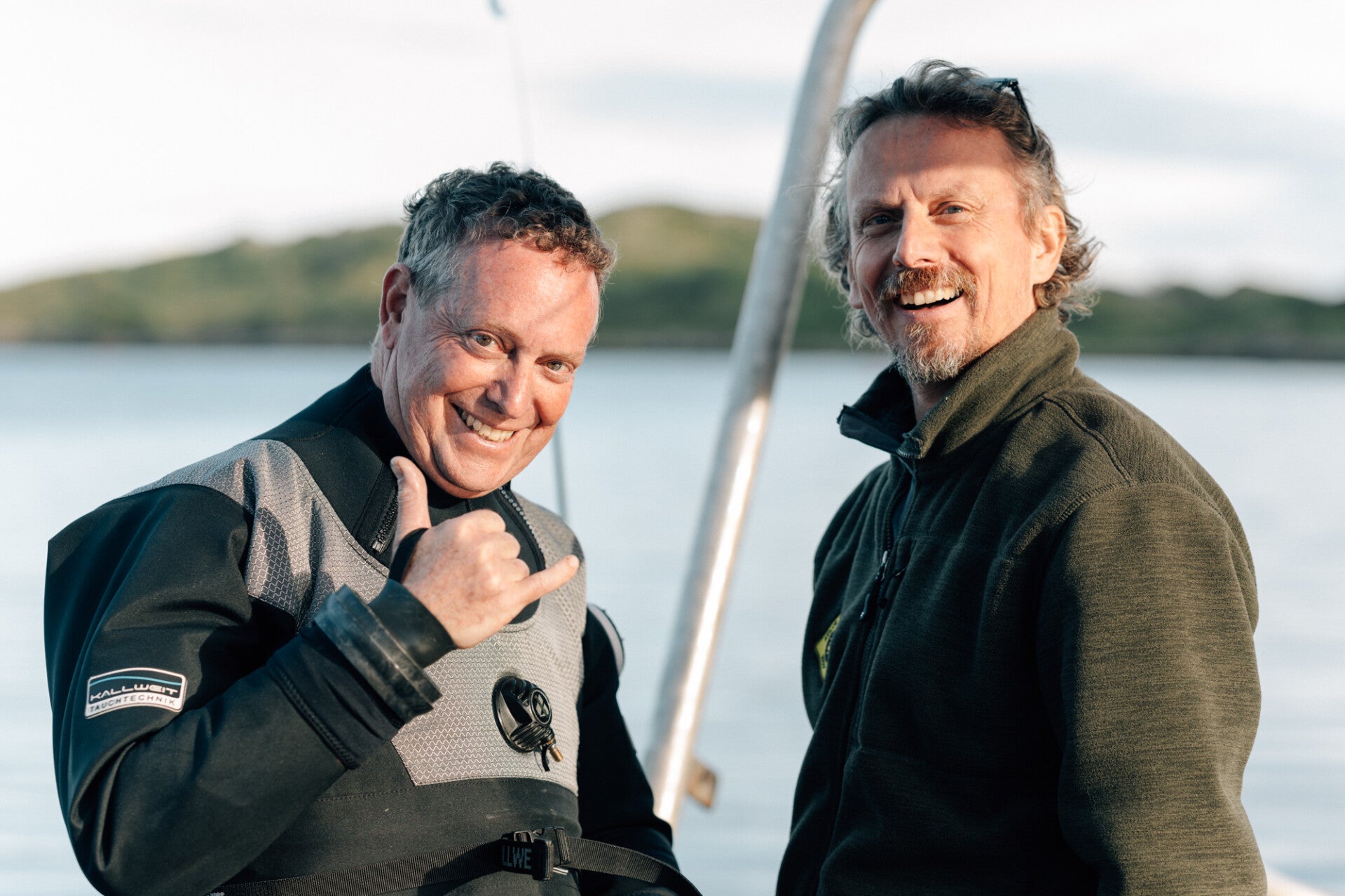
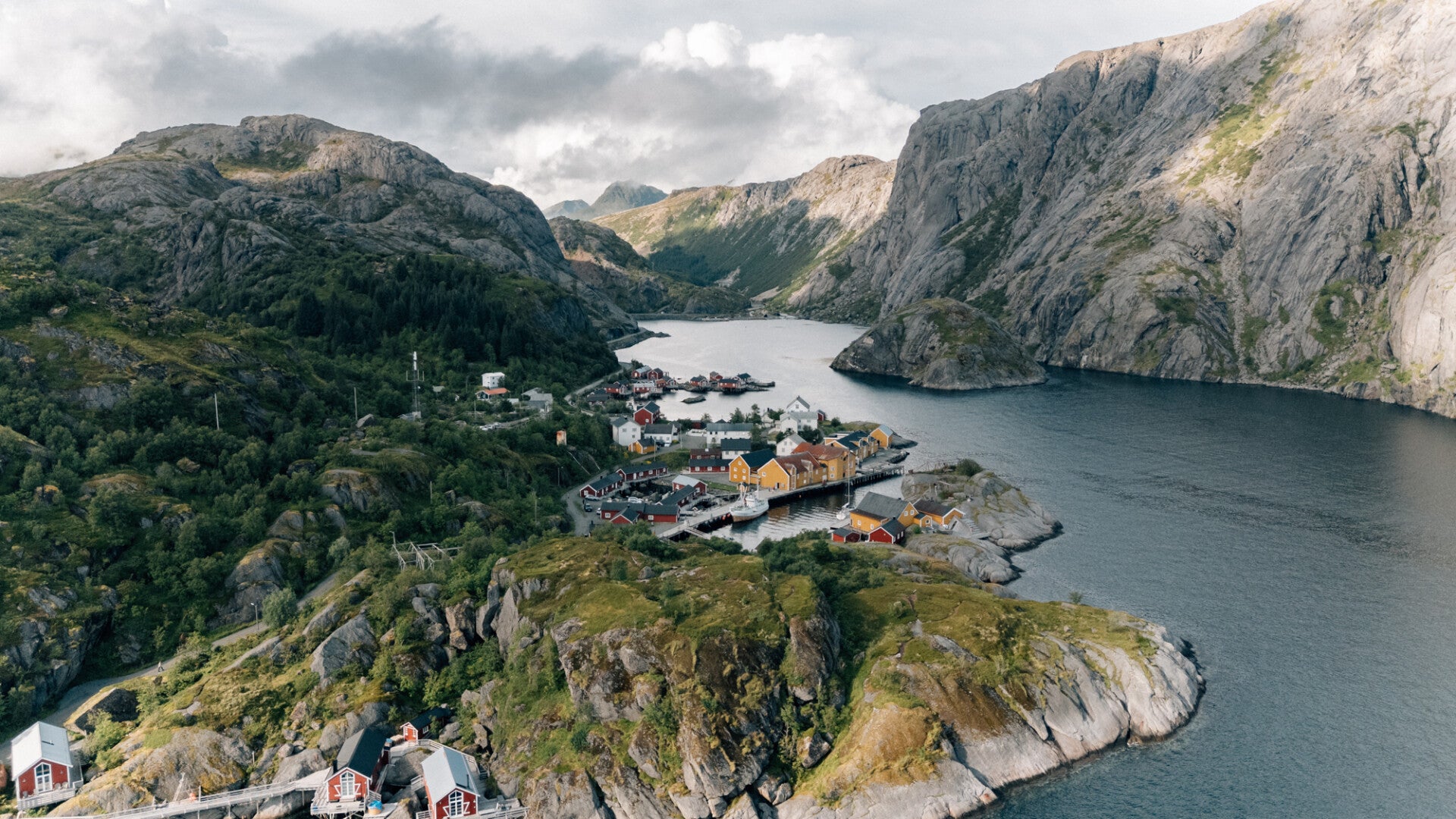
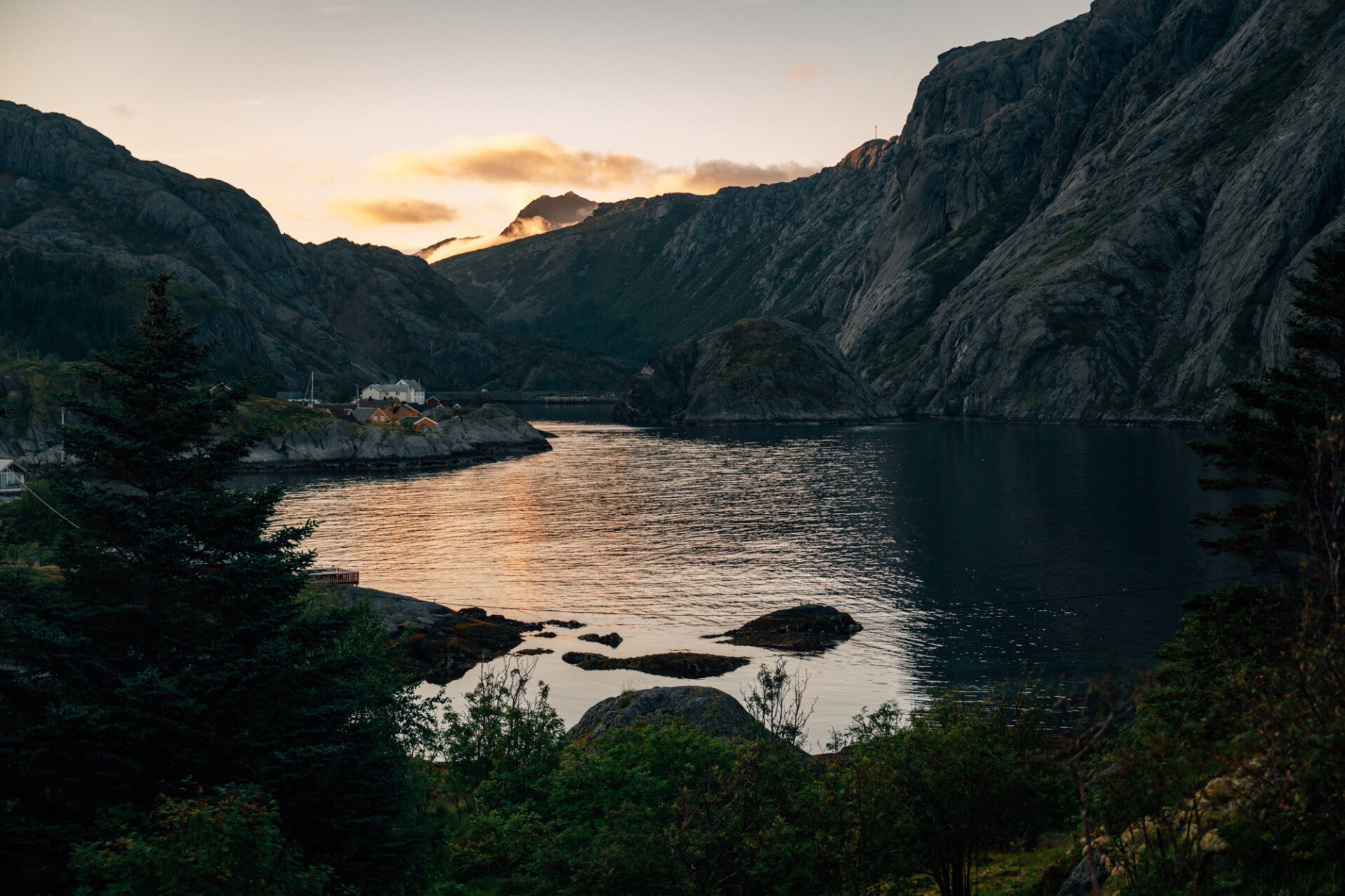
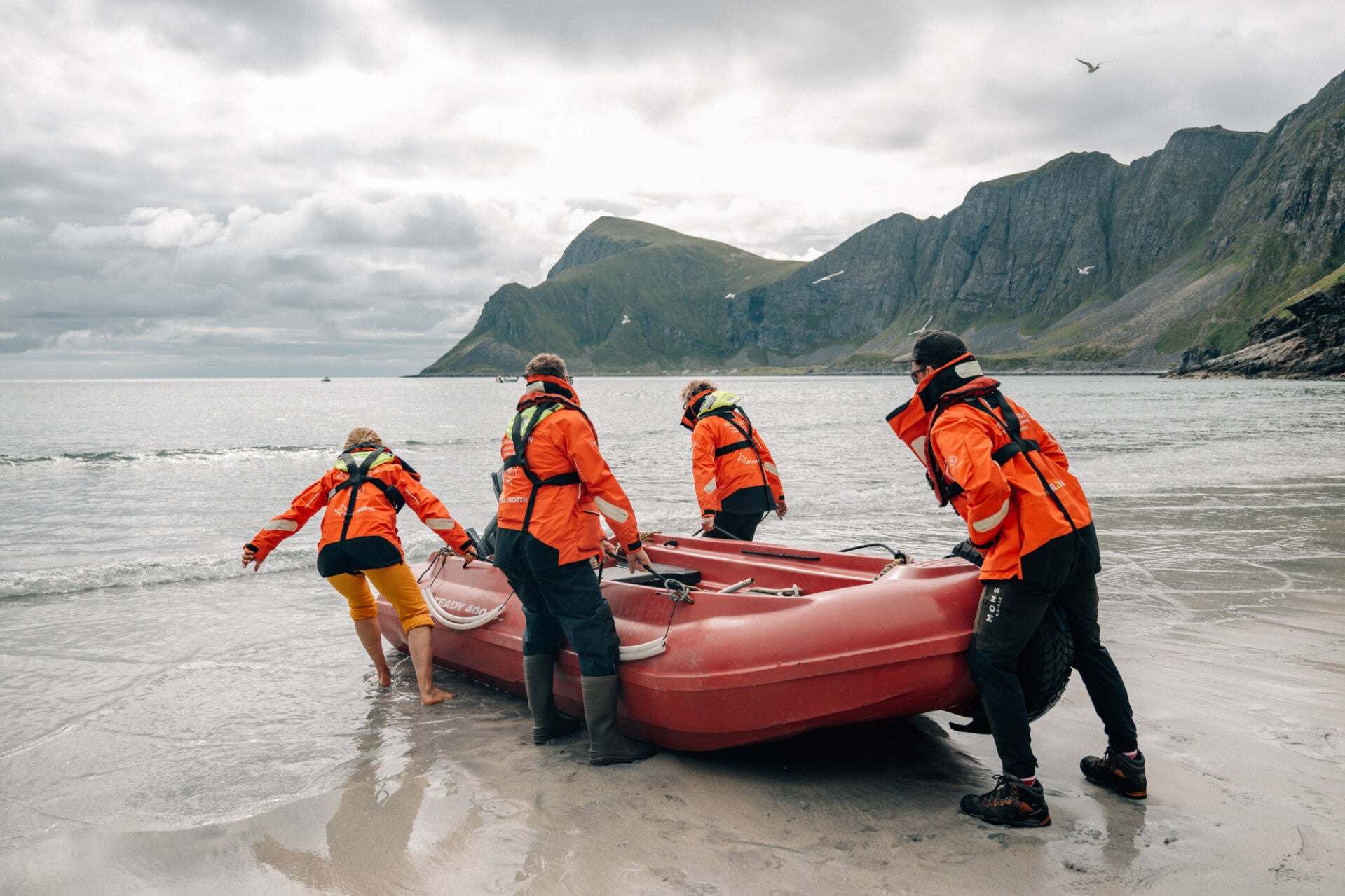
From Svolvær we continued to Hopen and Nusfjord, where our group changed as well. The two Alexes found another boat heading to Greenland and decided to take the opportunity to continue towards the destination we had originally all come for. The rest of us stayed aboard LEA and continued our journey through the Lofoten Islands.
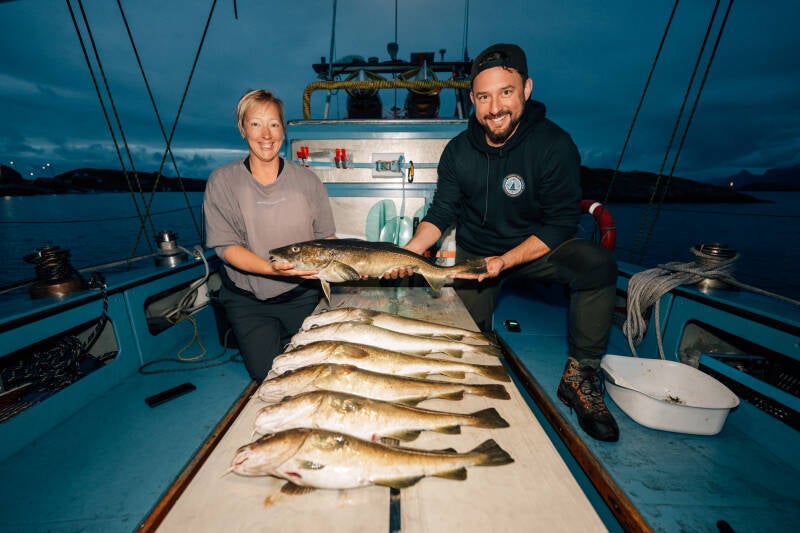
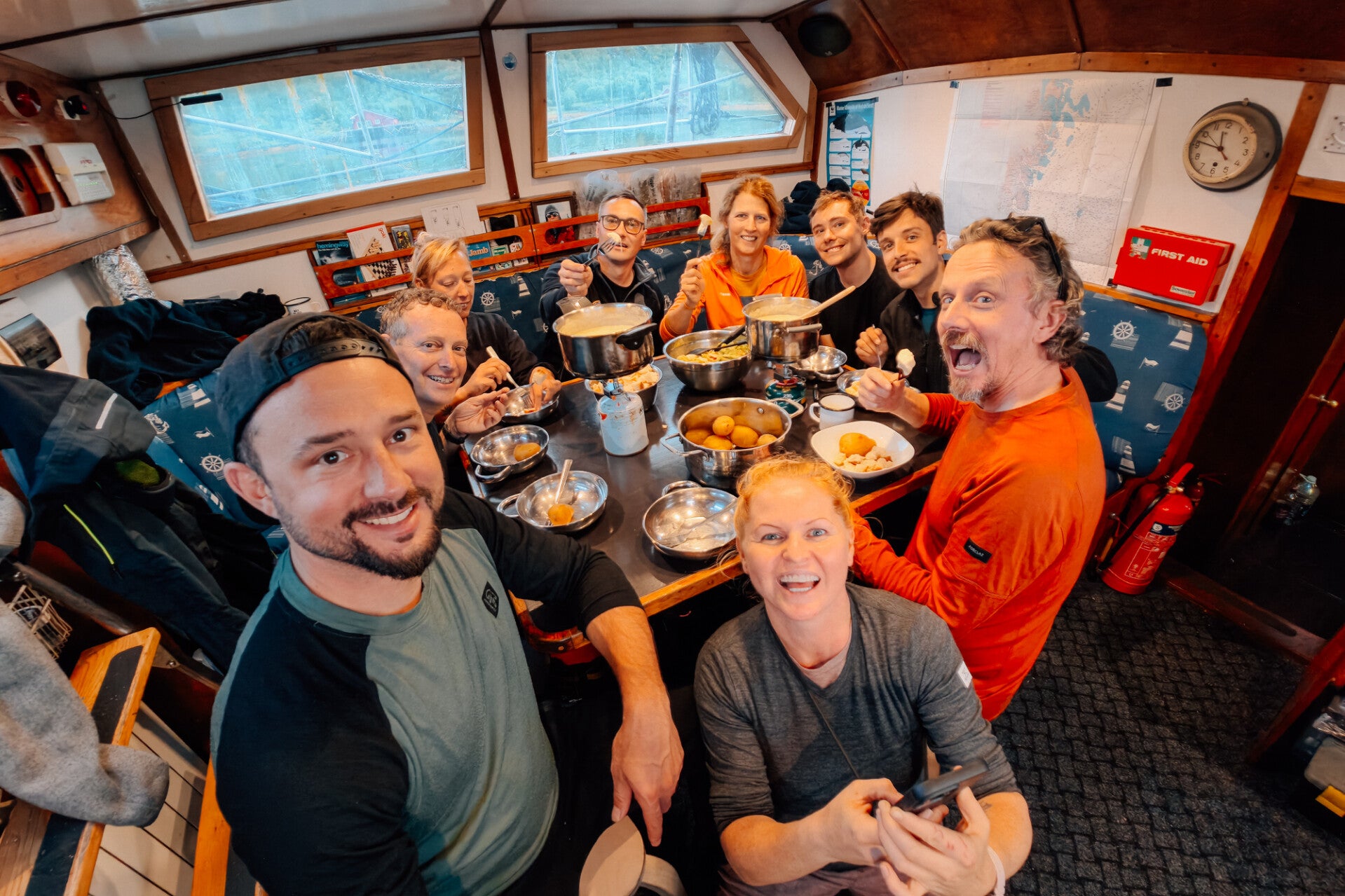
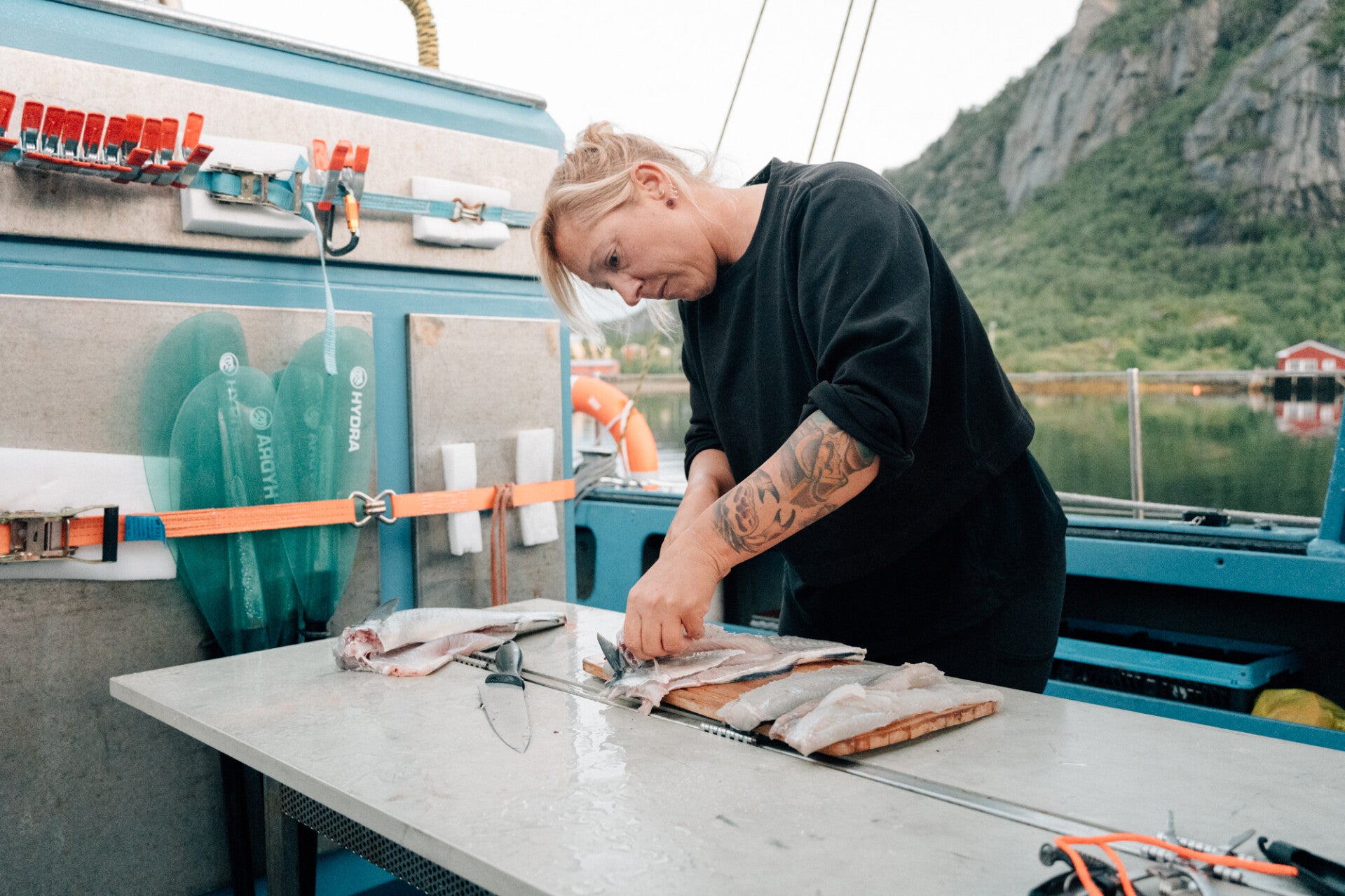
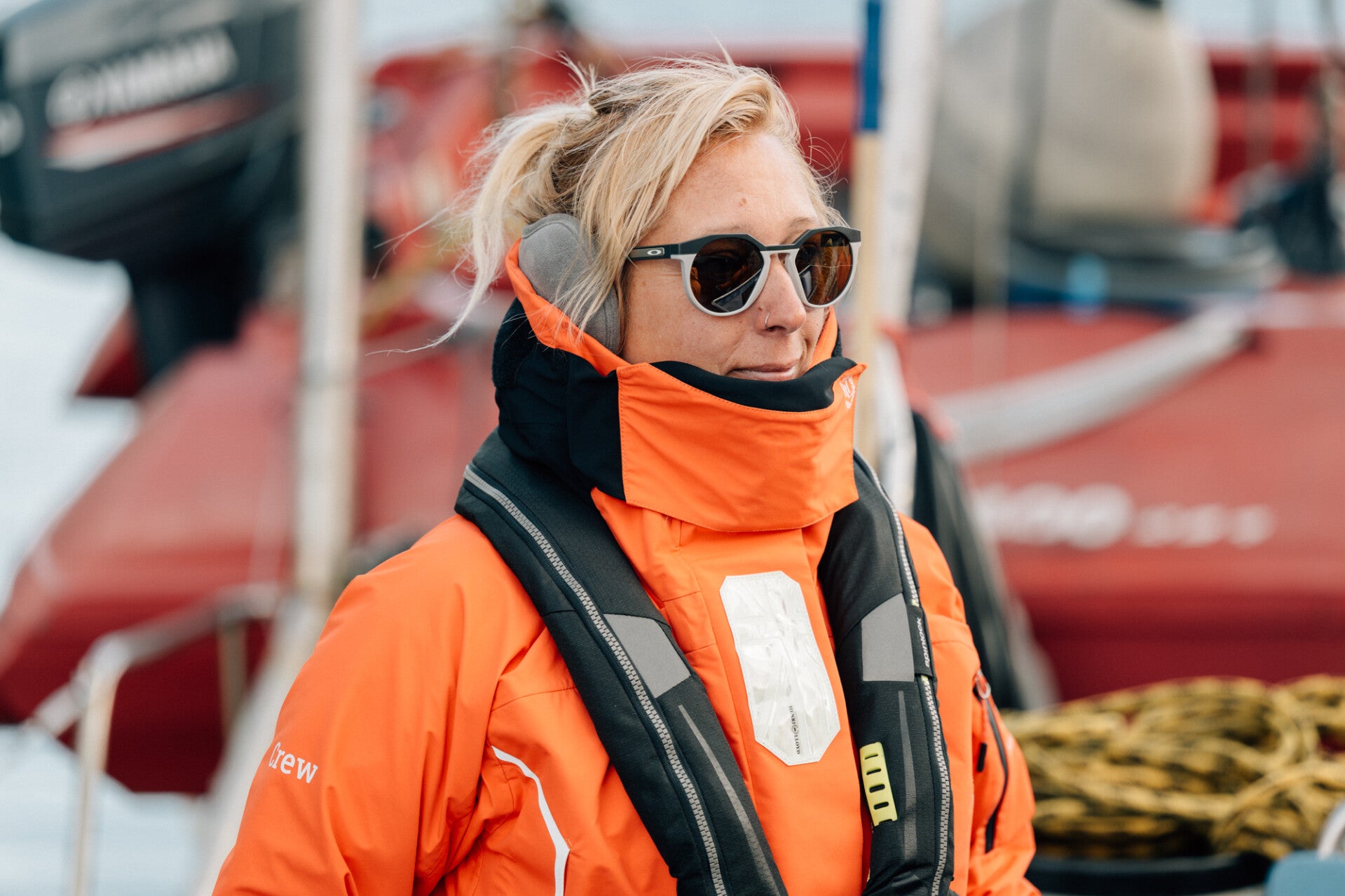
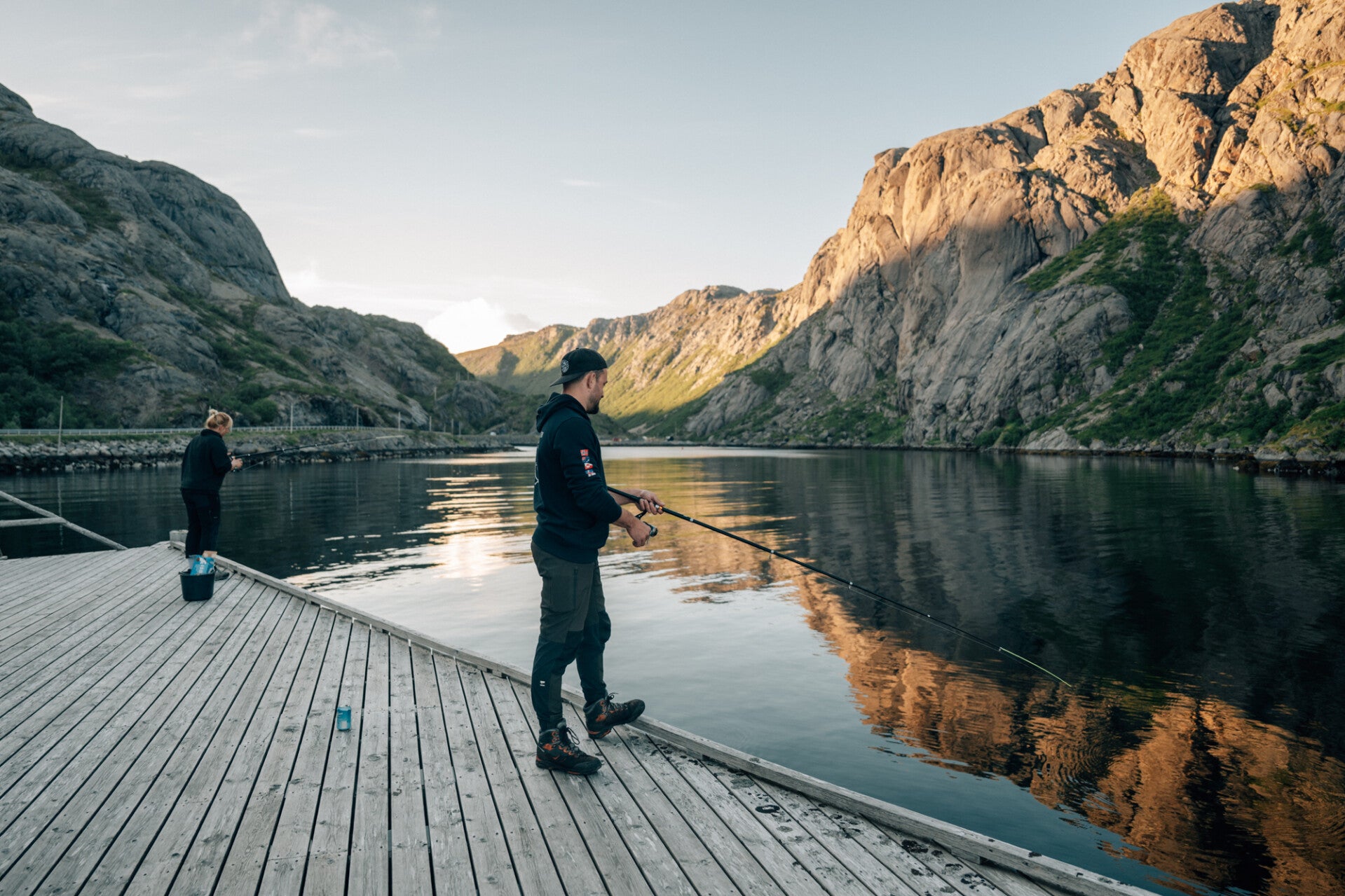
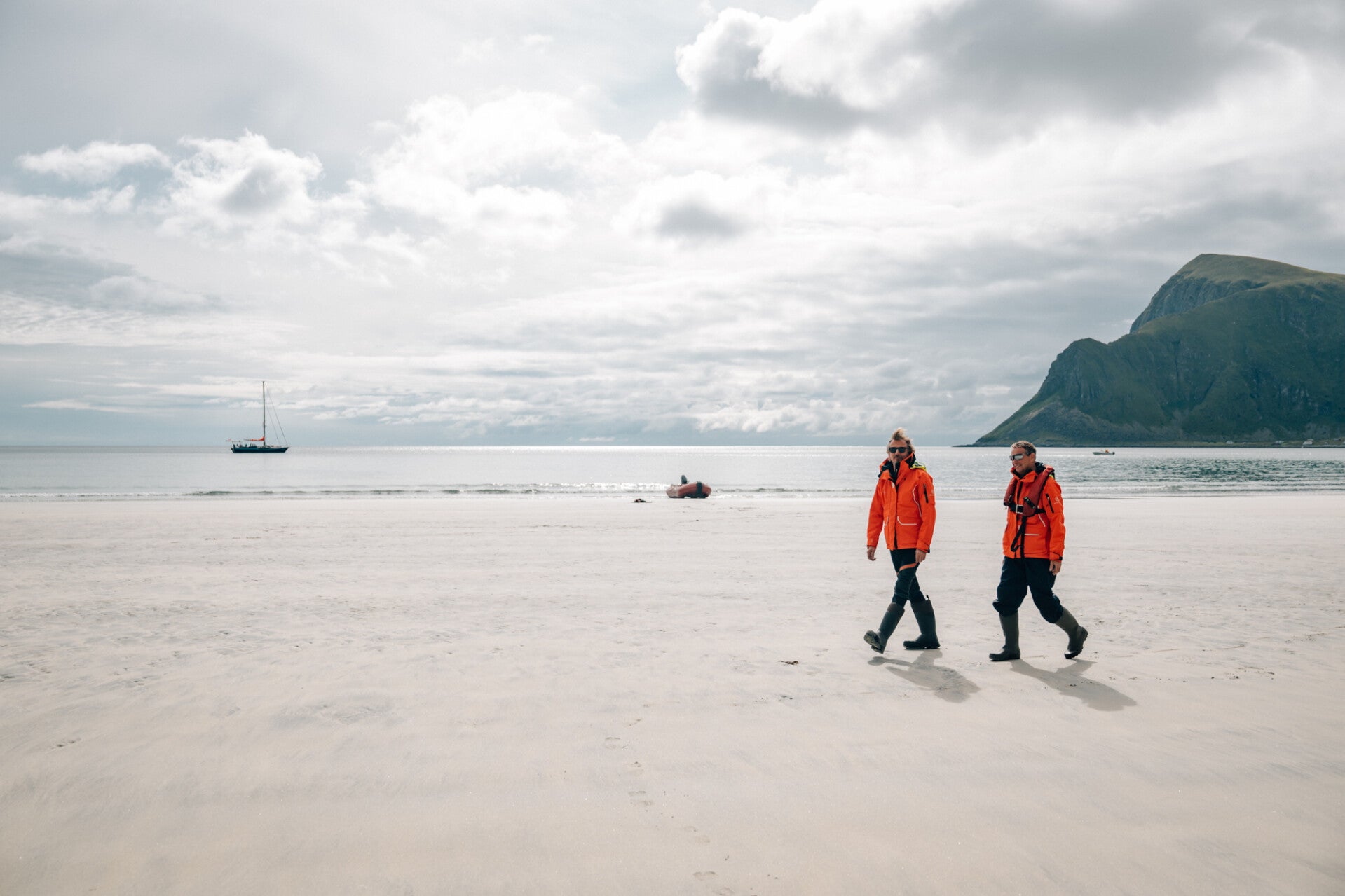
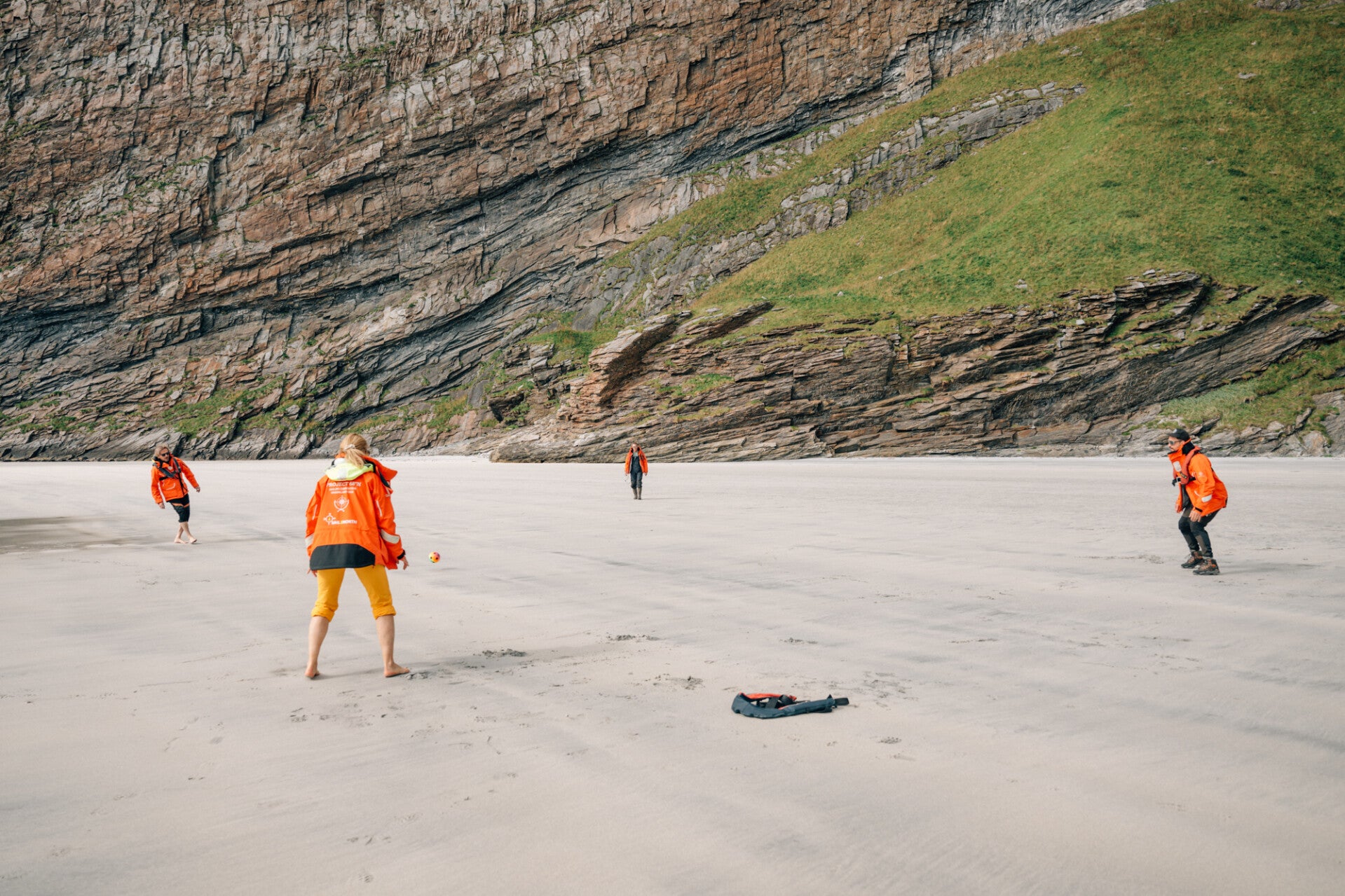
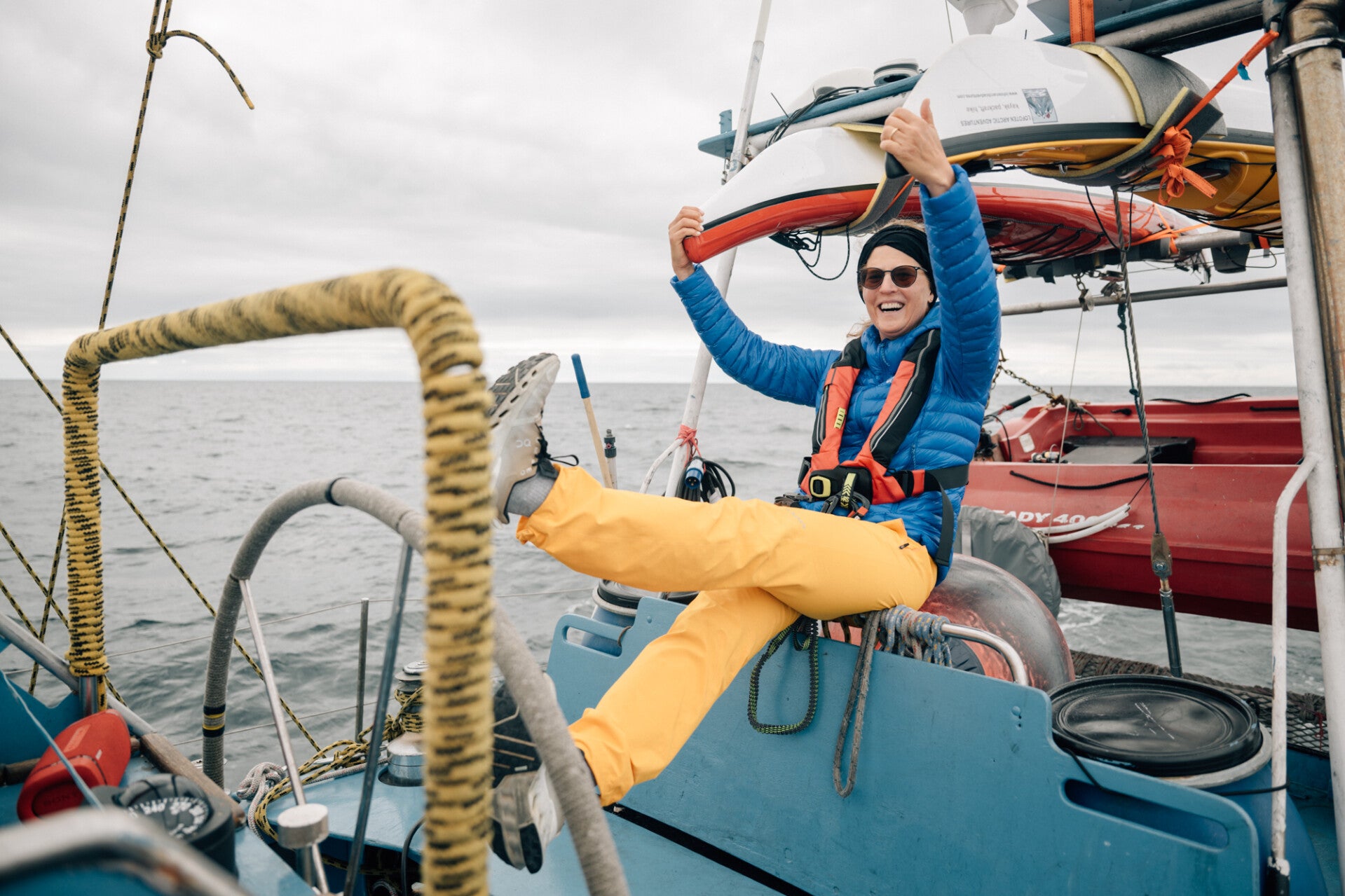
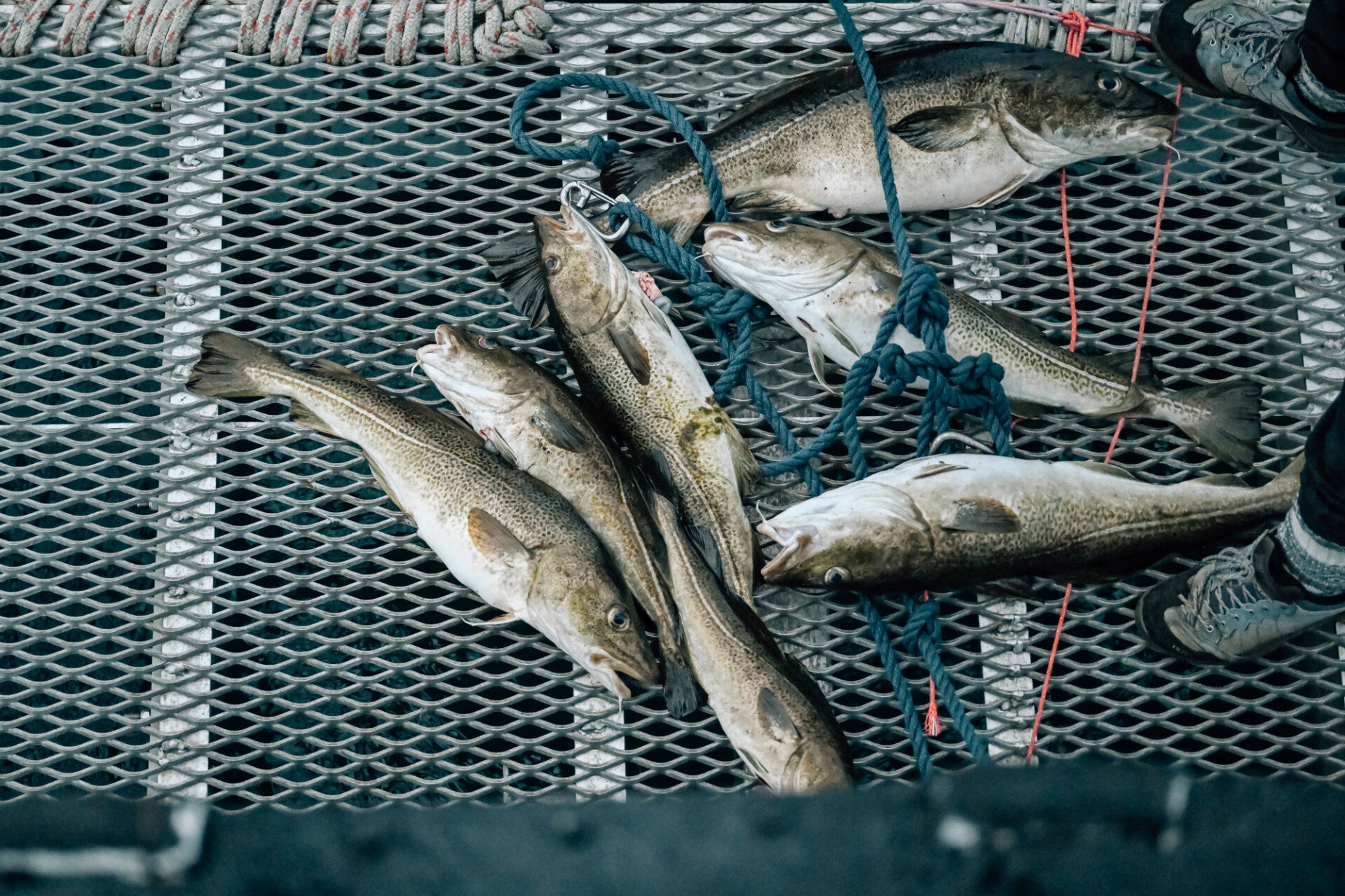
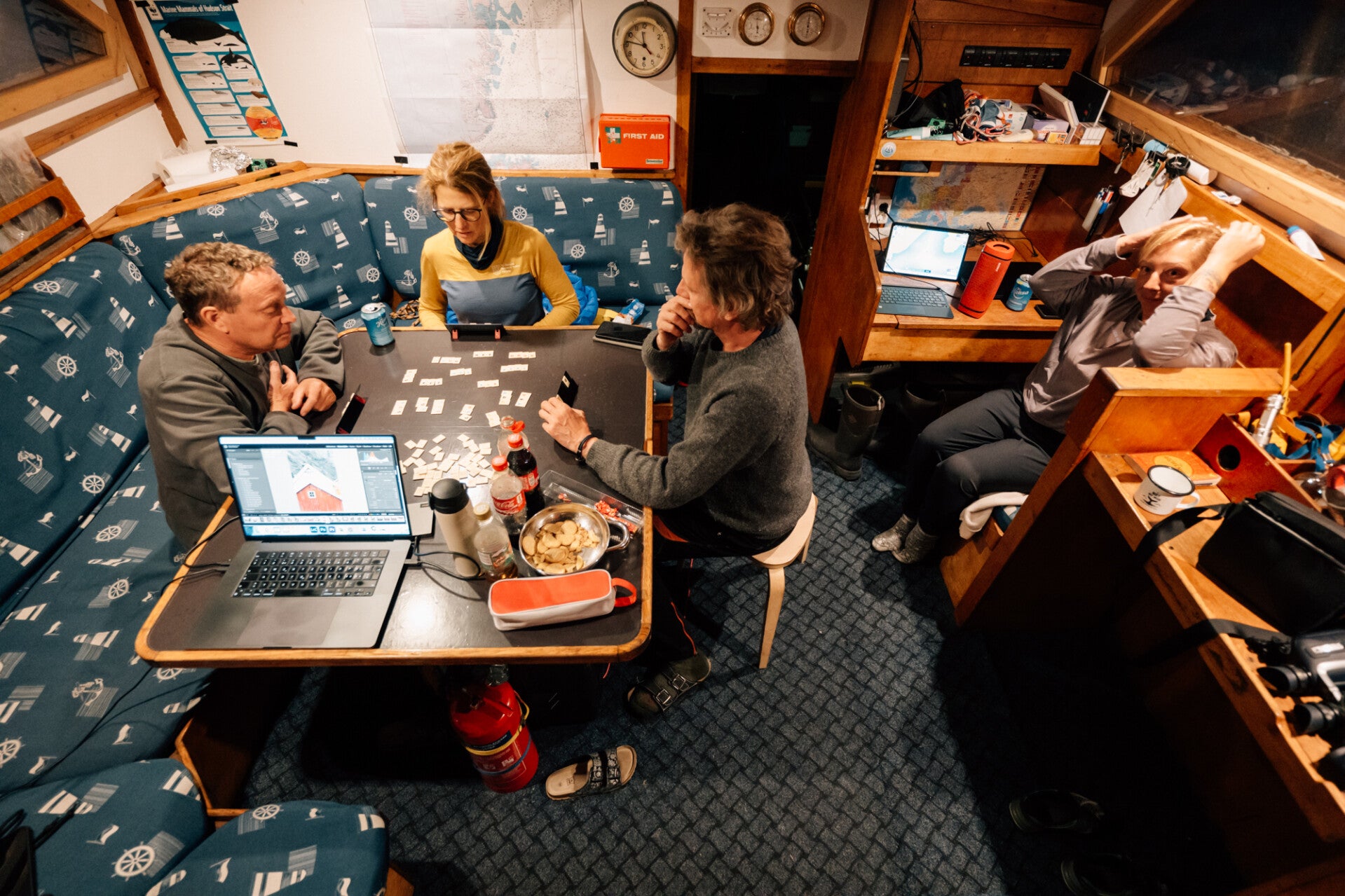
Without the expedition ahead of us, the rhythm on board slowly changed. There was no longer a North Atlantic crossing to prepare for and no remote anchorage in Greenland waiting at the end of it. Instead, we started taking things day by day. We explored the places around us, cooked together, talked, laughed and spent an impressive amount of time playing Tichu and Rummikub. Martin and Ema became increasingly successful at fishing and regularly returned with fresh fish for dinner. There was plenty of the usual madness that comes with sharing a boat, but also many of those completely ordinary moments that somehow become some of the best memories.
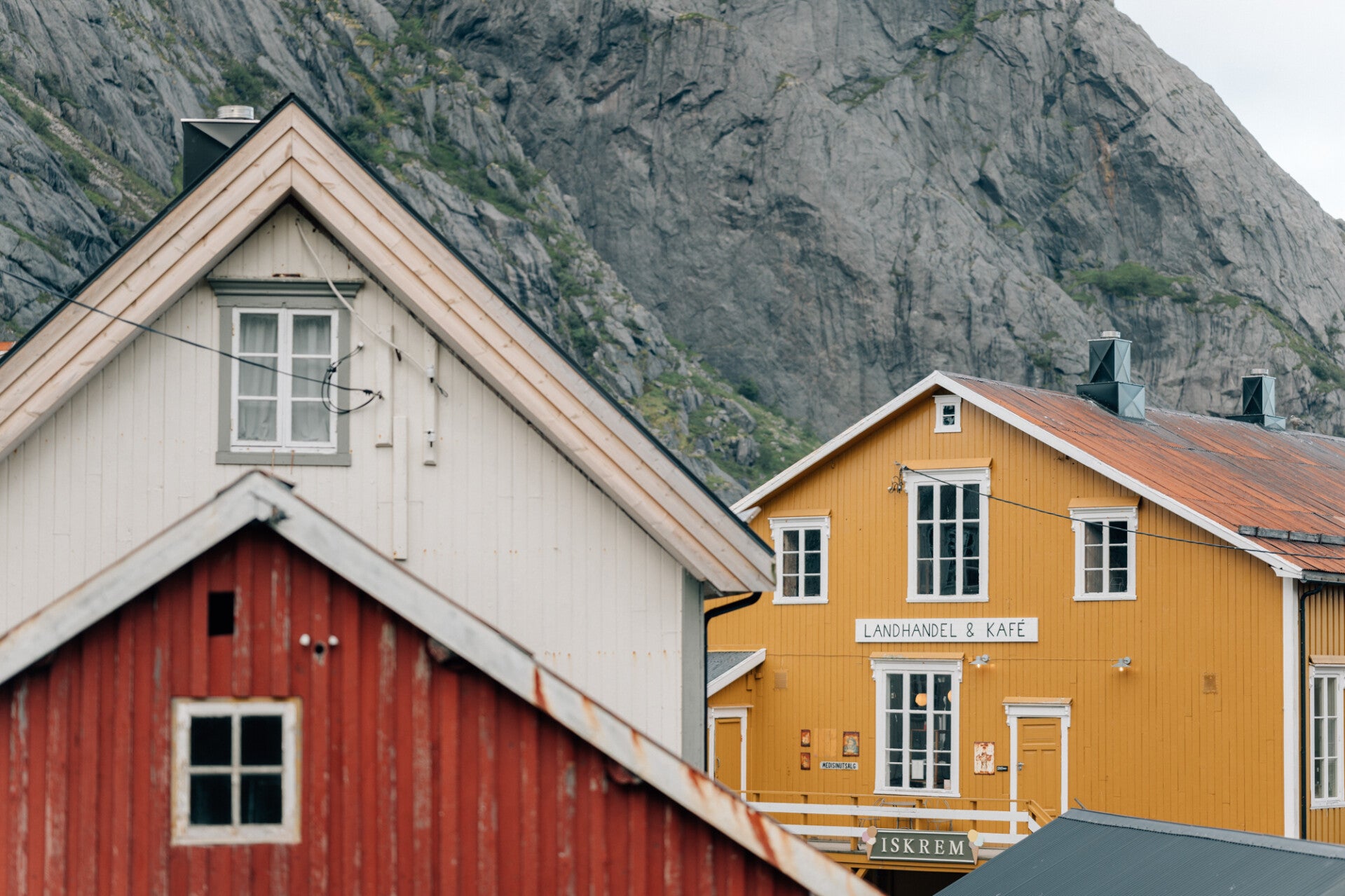
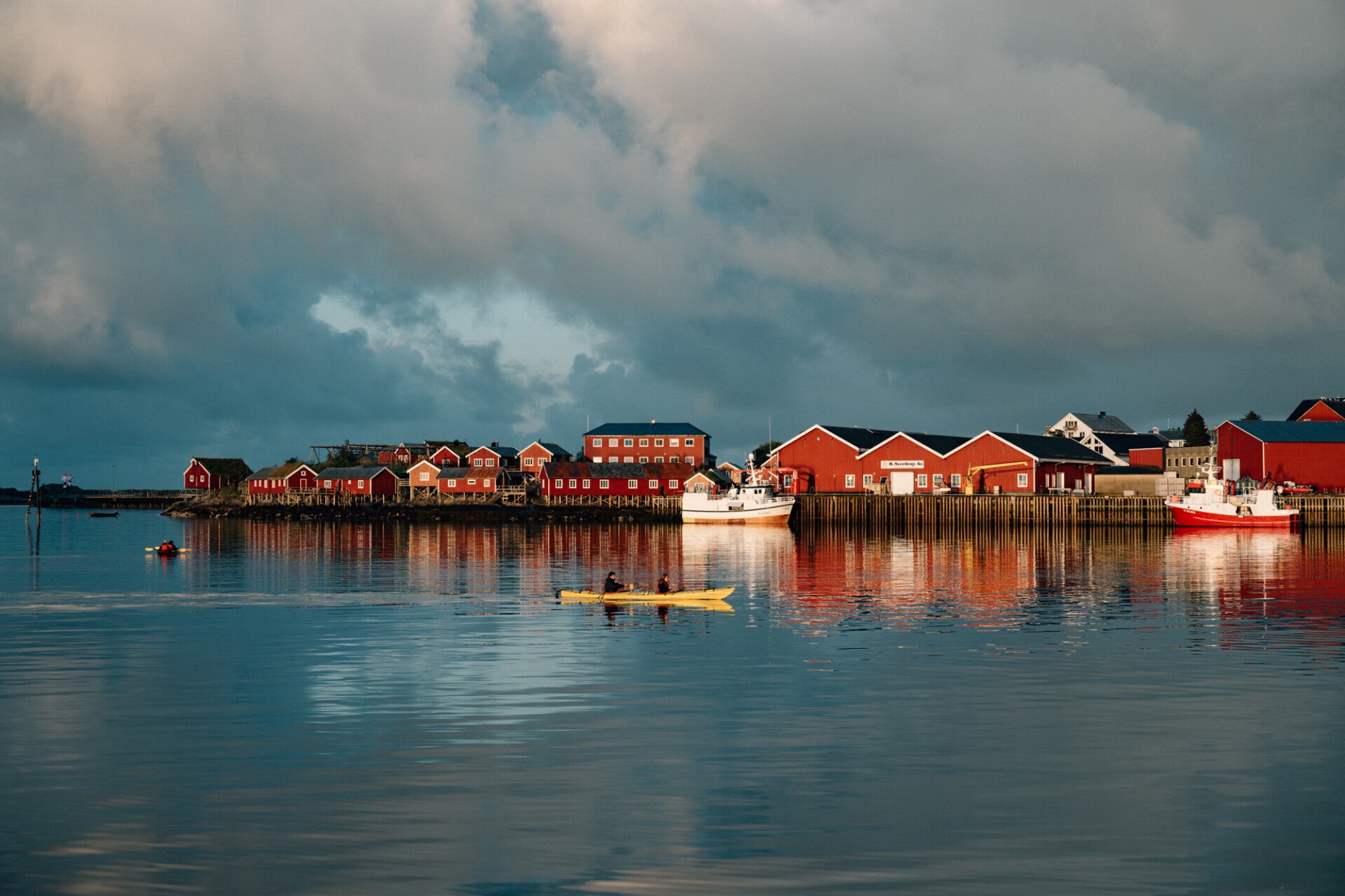
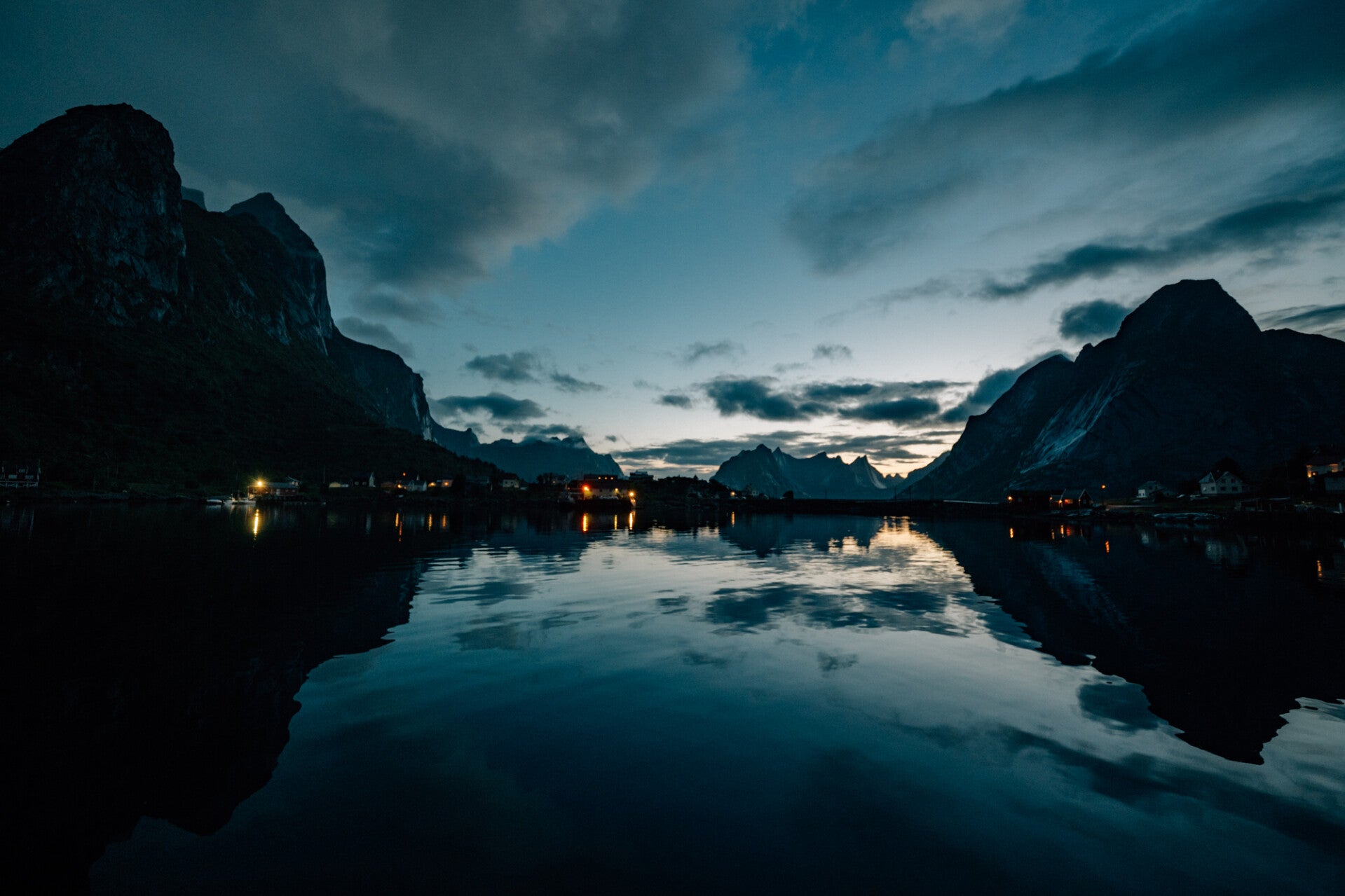
In Reine, the hundreds of kilos of food we had stocked for five weeks in Greenland suddenly became a mission of their own. What began with the simple question of what to do with all those supplies eventually ended with the food going to people who could actually use it. Our unexpected Food Mission even found its way into the local newspaper.
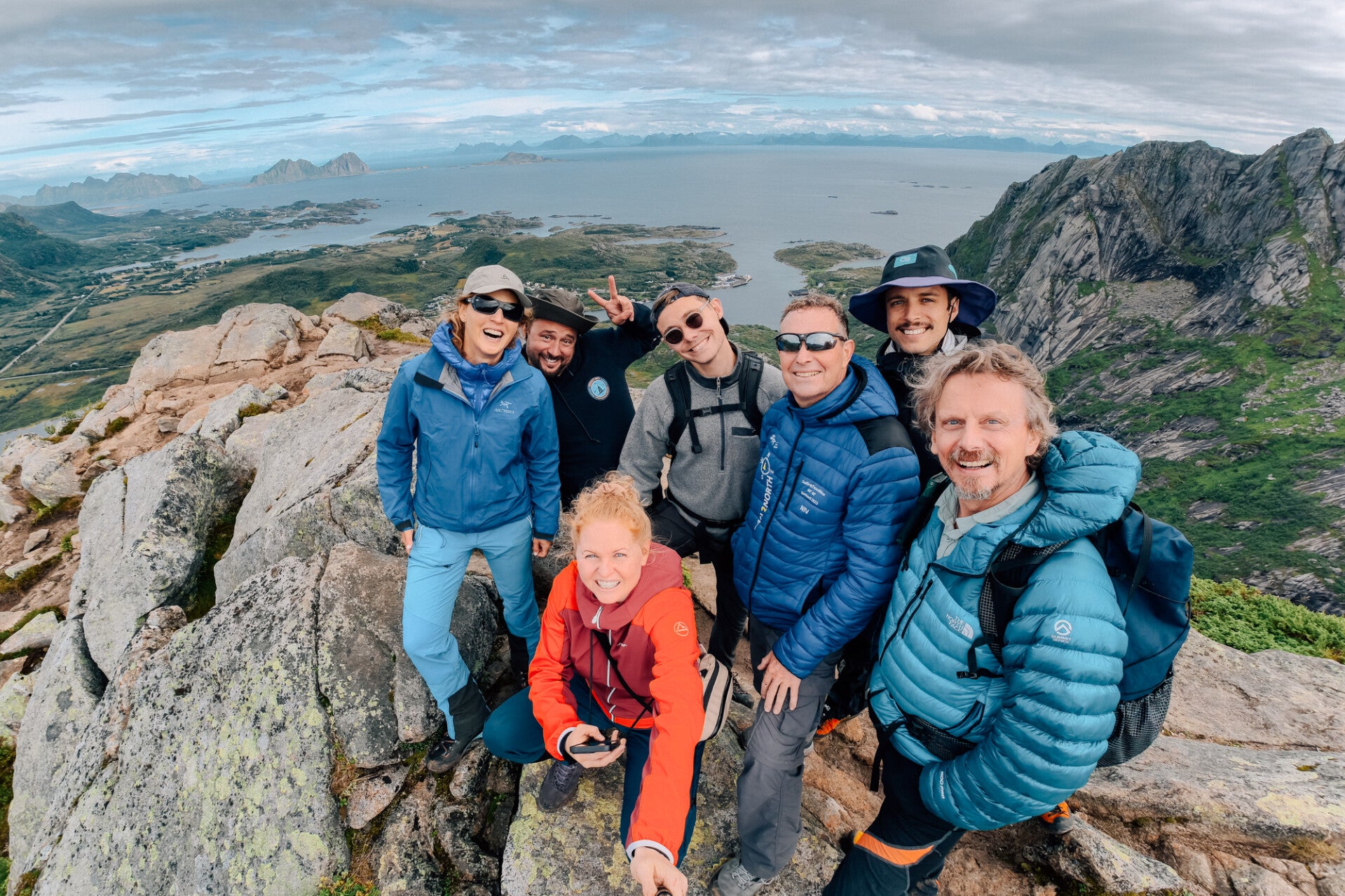
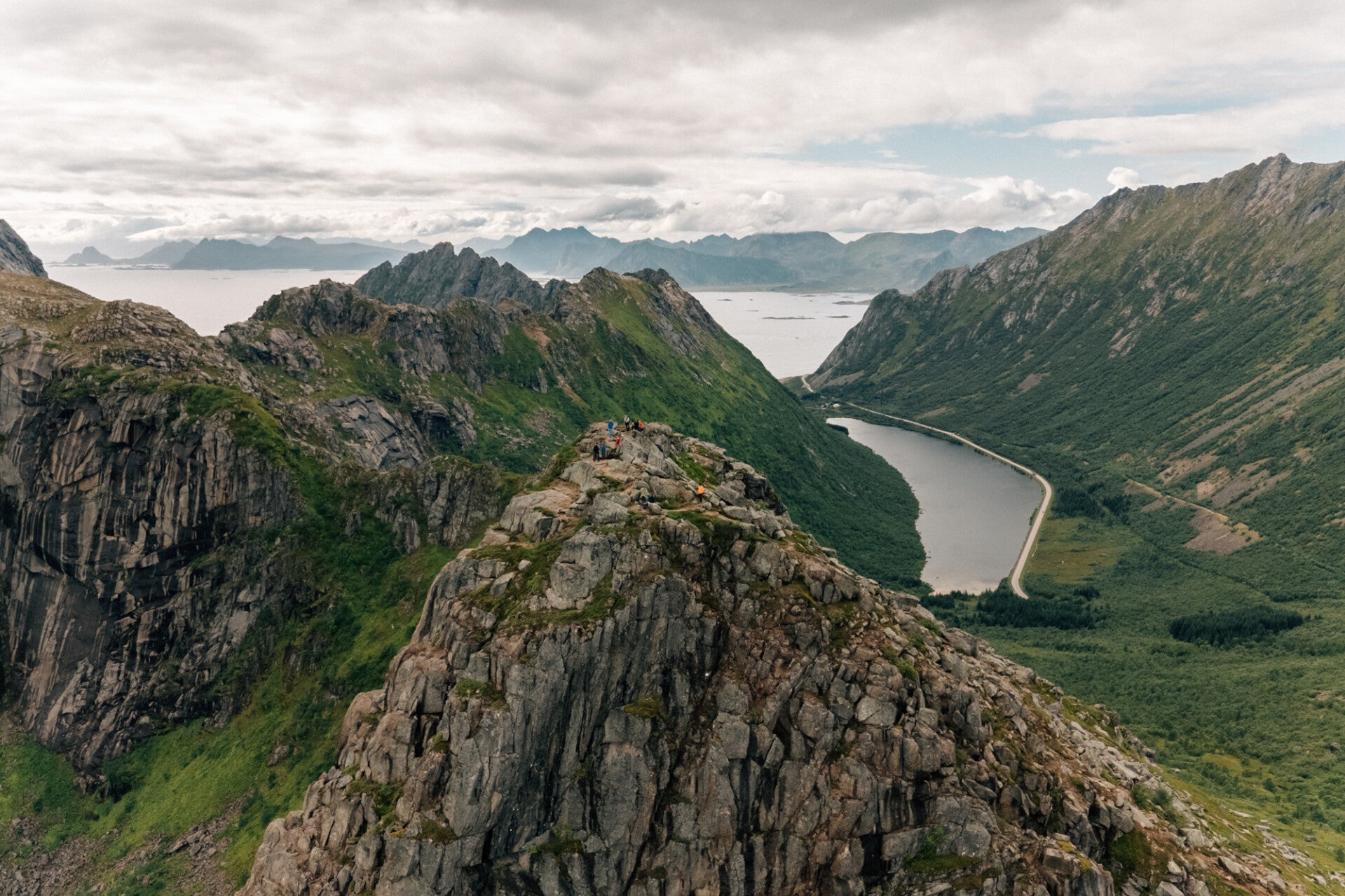
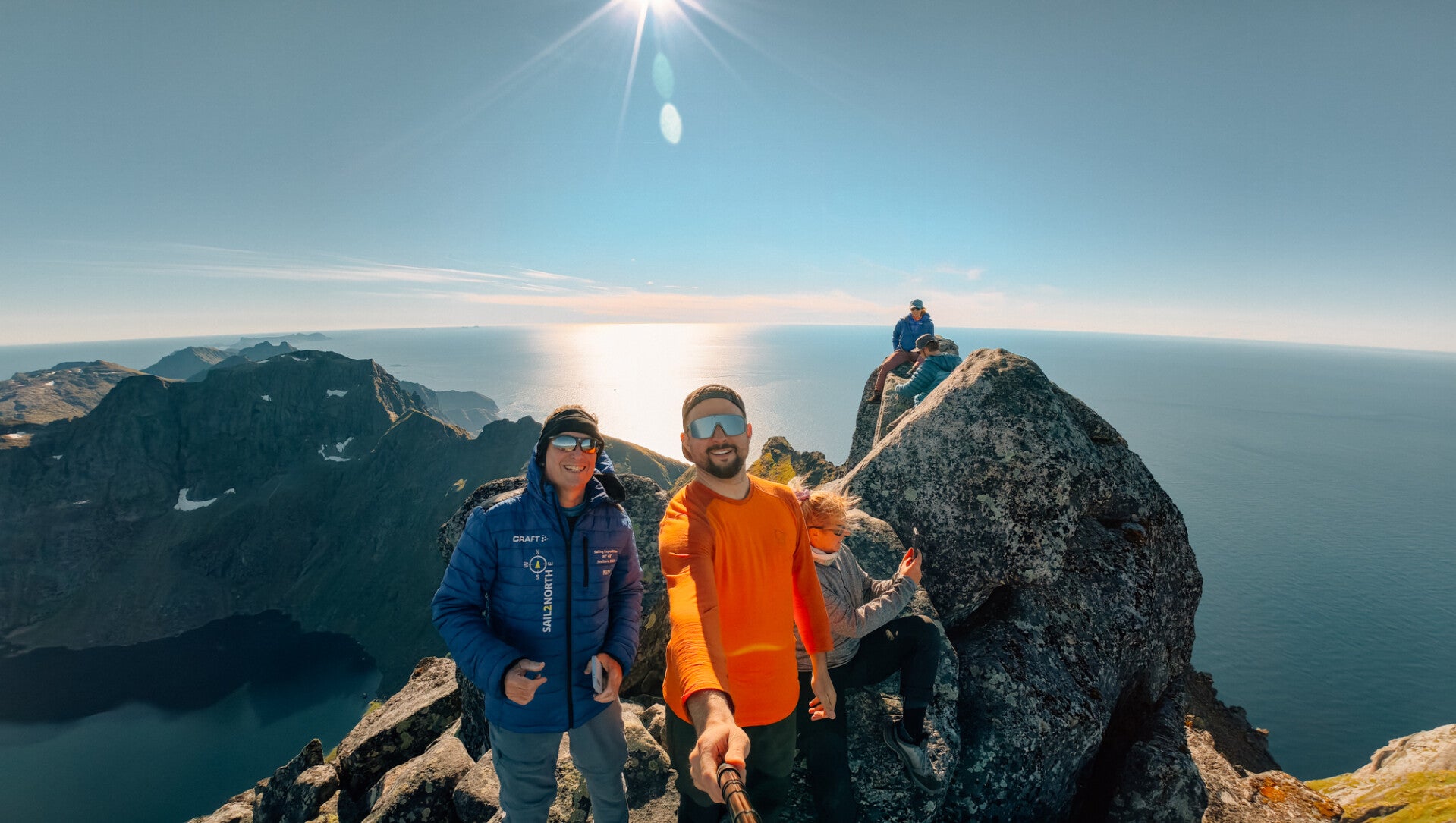
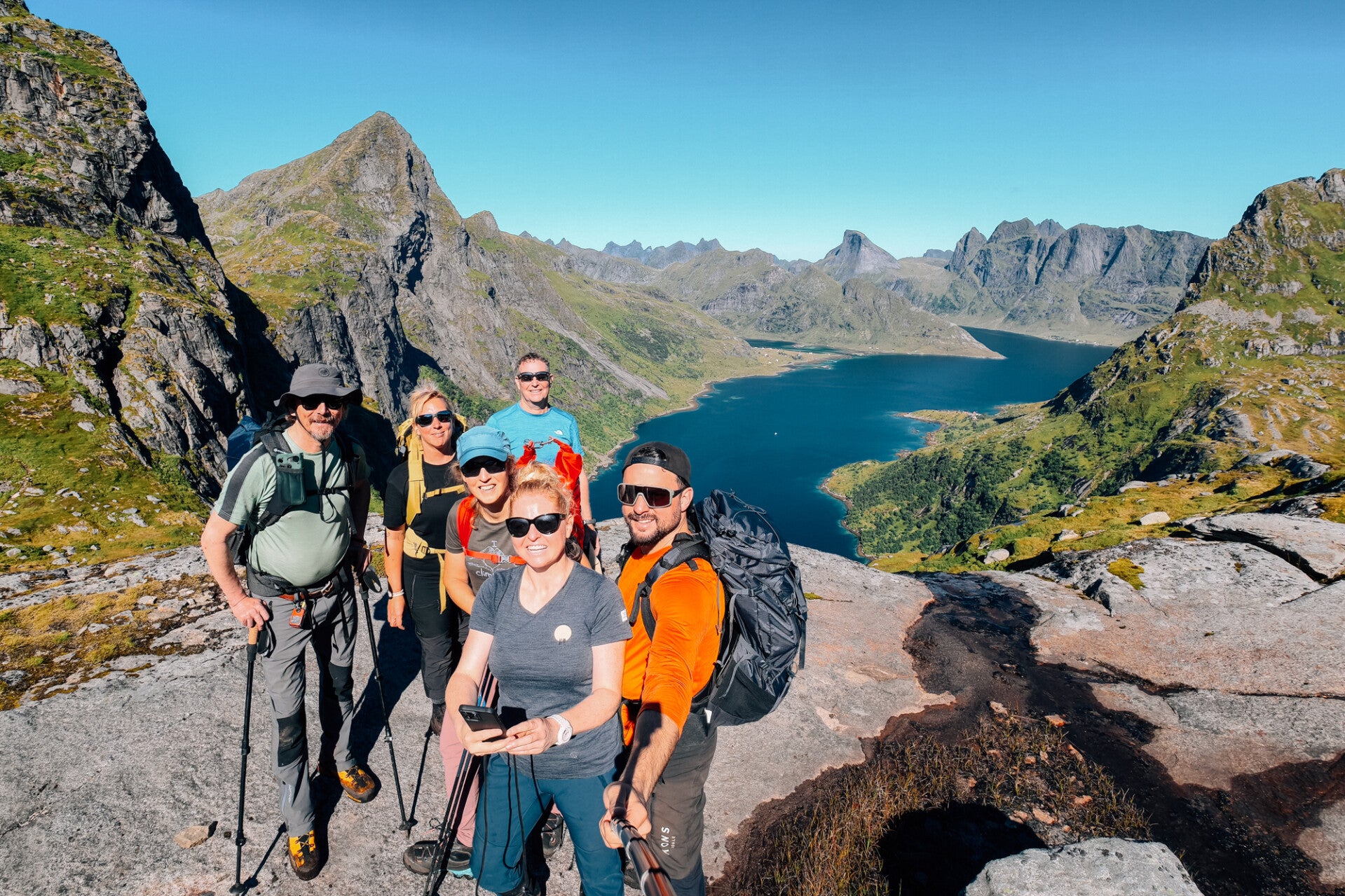
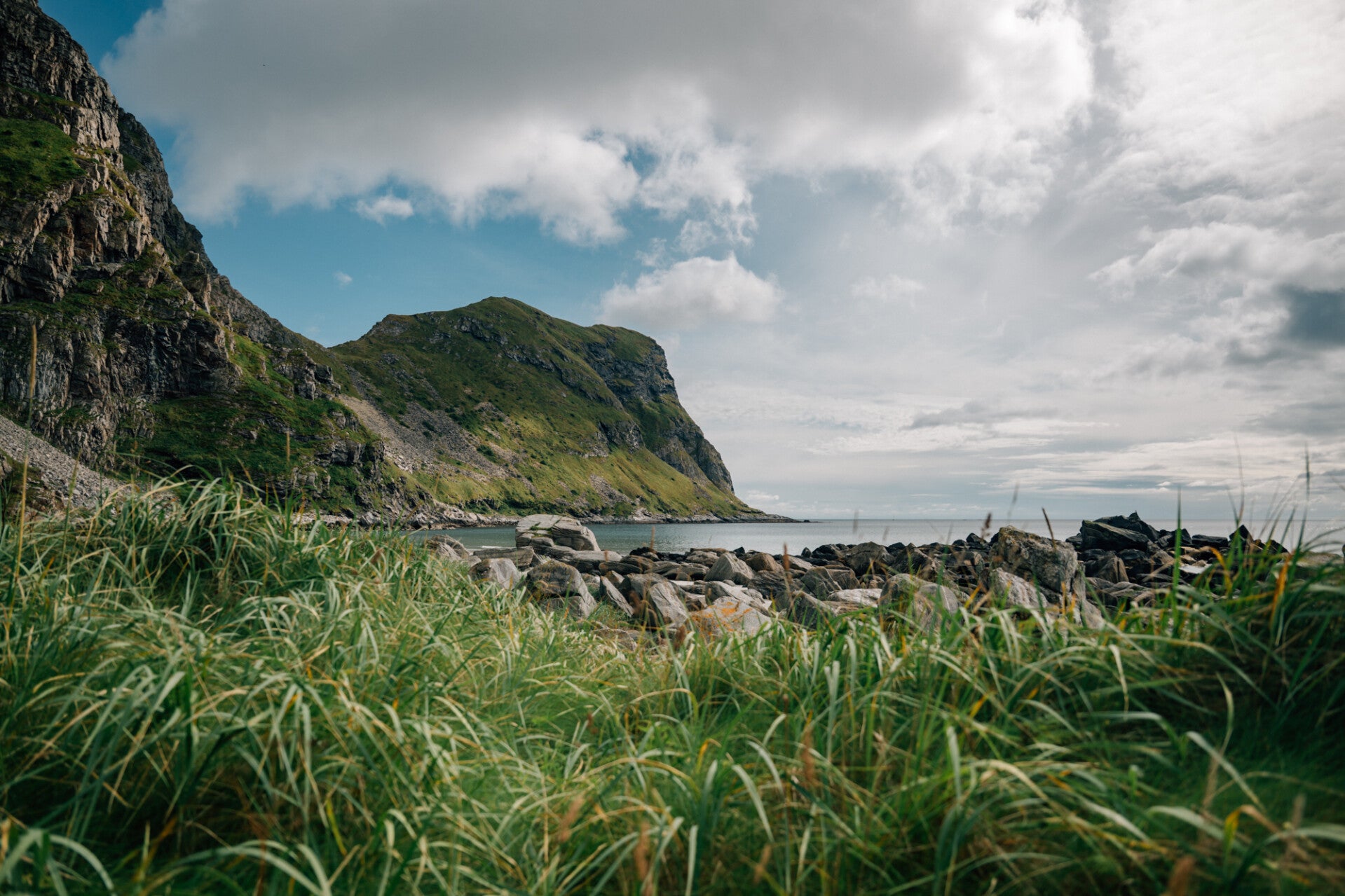
We also left the boat behind for a day and climbed Hermansdalstinden. It was a long and challenging hike, but standing high above the fjords and looking across the Lofoten landscape gave us a completely different perspective on the place we had unexpectedly ended up exploring.

More Than a Plan B
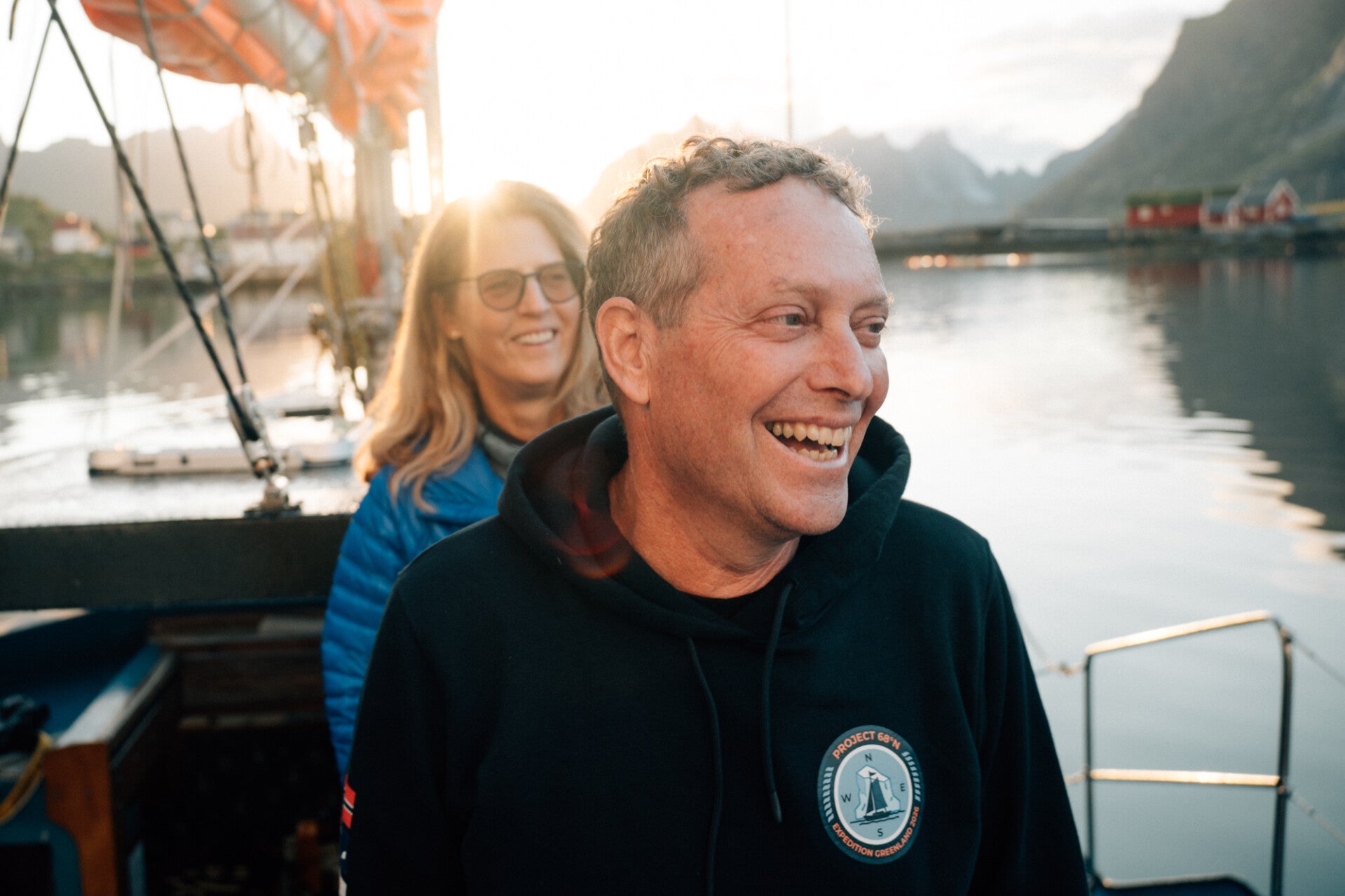
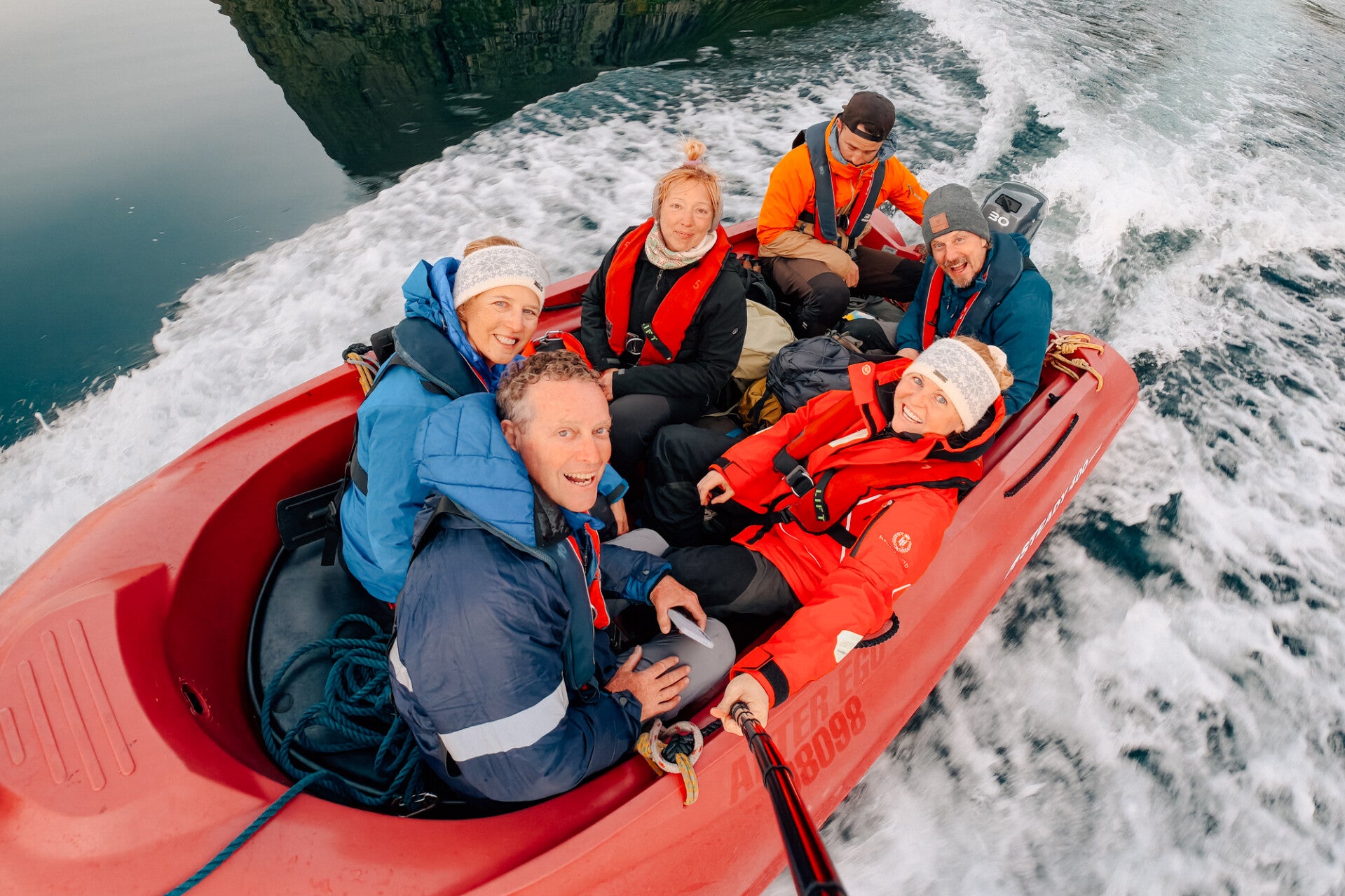
Something else happened during those days that was perhaps more important than any of the places we visited. The crew that remained aboard LEA grew incredibly close. We had lost the expedition that had brought us together, but somehow we became more of a team after losing it.
Greenland also never really disappeared from our conversations. Again and again, we found ourselves talking about how we would approach the expedition next time, what we had learned, what we would change and what we could plan better. Instead of the cancellation becoming the end of PROJECT 68°N, those conversations slowly started to feel like the beginning of another attempt.
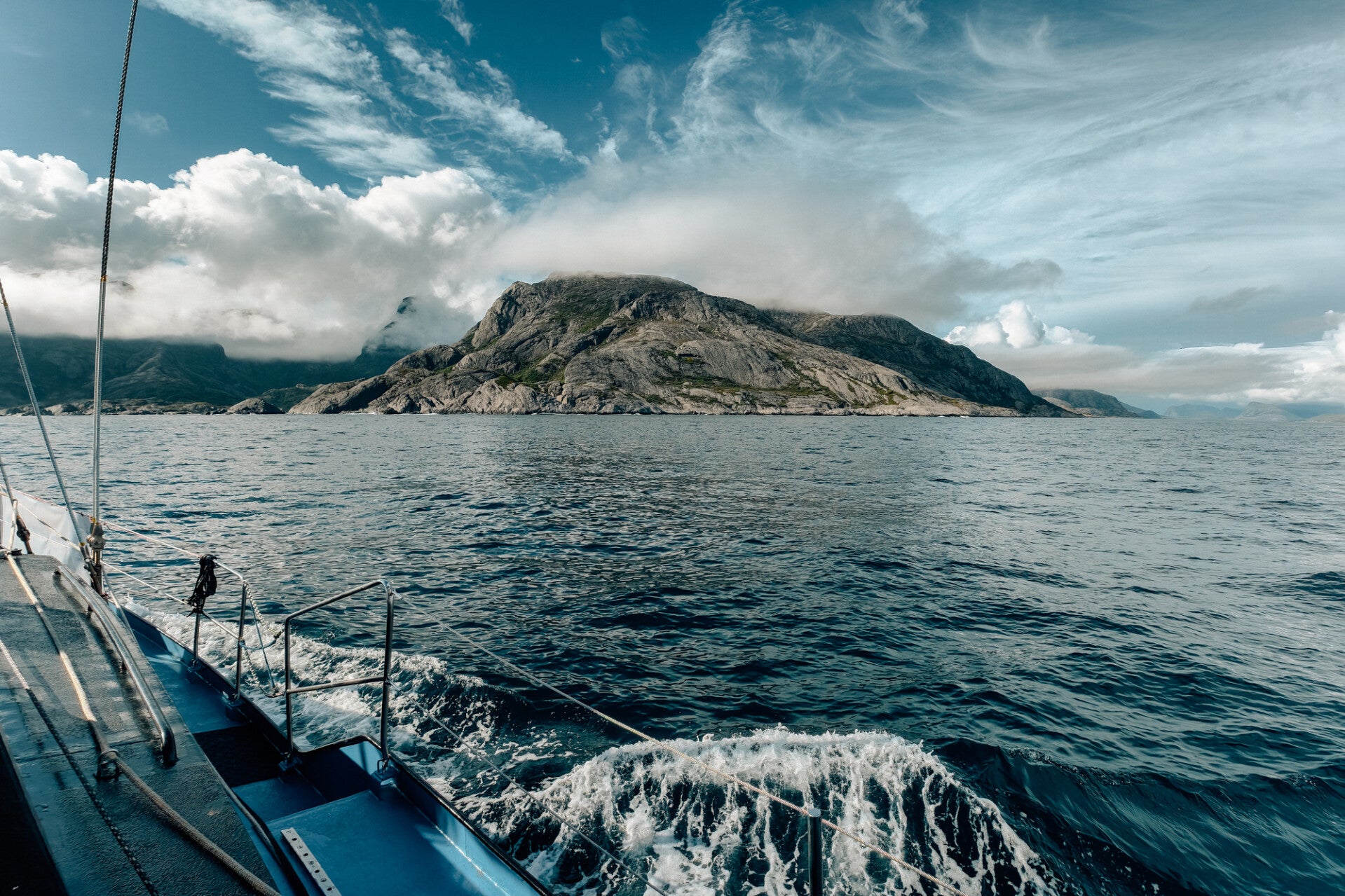
As we continued through Værøya and Vokkøya, the unexpected kept following us. On Vokkøya, we even found ourselves following the story of an oar from Naddoddur that had washed ashore there after travelling hundreds of kilometres through the sea. That unexpected encounter became a story of its own, one we will share separately.
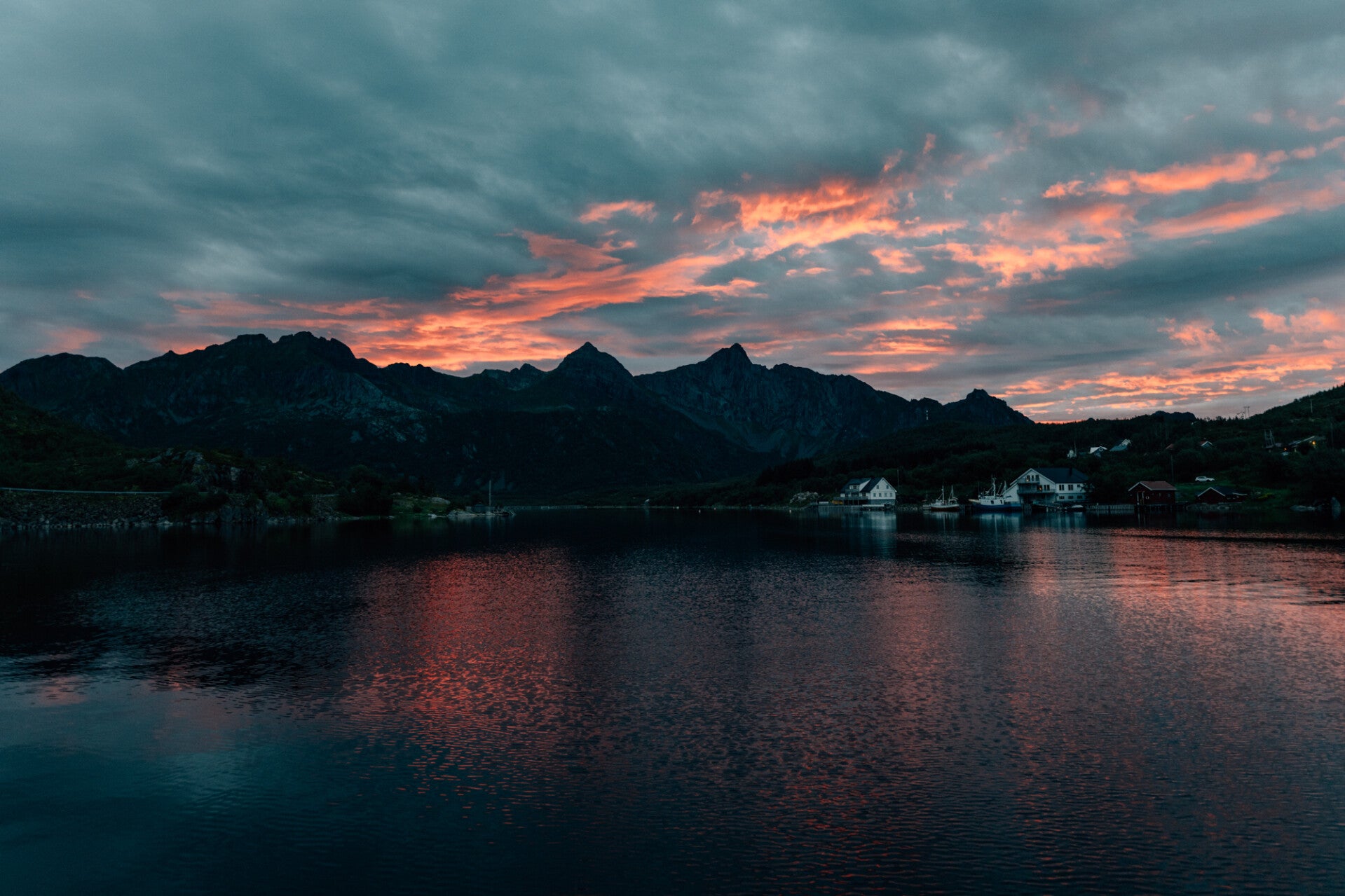
After Vokkøya, our journey eventually brought us to Bodø. By then, the trip looked nothing like the expedition we had imagined when we first arrived in Svolvær, but neither did our group.
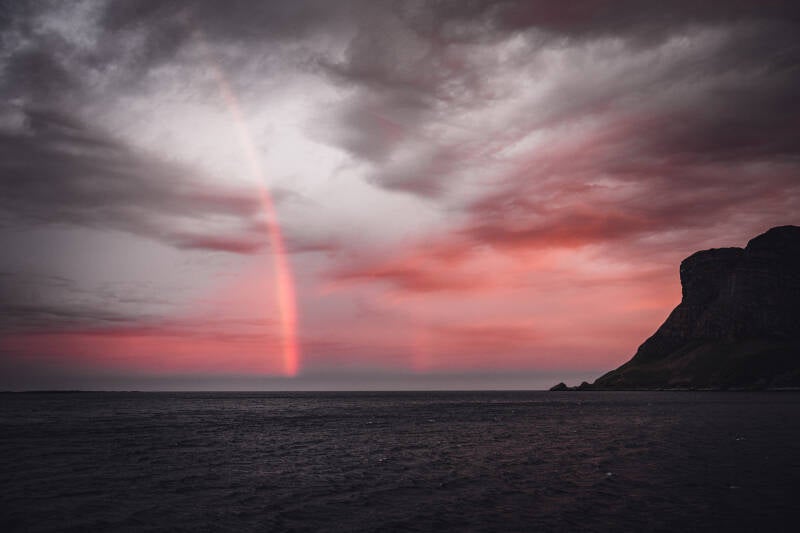

A Different Kind of Experiment
Looking back, maybe the social experiment of PROJECT 68°N happened after all, just in a completely different way. We had wanted to find out what happens to a group when everyday life disappears, contact with the outside world becomes limited and nine people spend weeks together in isolation. Instead, we found ourselves in another kind of social experiment. Nine people had prepared for months around one shared goal, and suddenly that goal disappeared. There was disappointment, uncertainty and a complete change of plans. Two people chose another way to pursue Greenland, while the rest of us had to figure out what our journey could become instead.
What followed was not an experiment in isolation, but an experiment in adaptation. We had to let go of expectations, deal with disappointment, make new decisions and find a way forward together. And somewhere in that process, we became a stronger team. Along the way there were mountains, fish, games, spontaneous ideas, unexpected encounters, long conversations and an incredible amount of laughter, but there was also a growing feeling that this story was not finished yet.
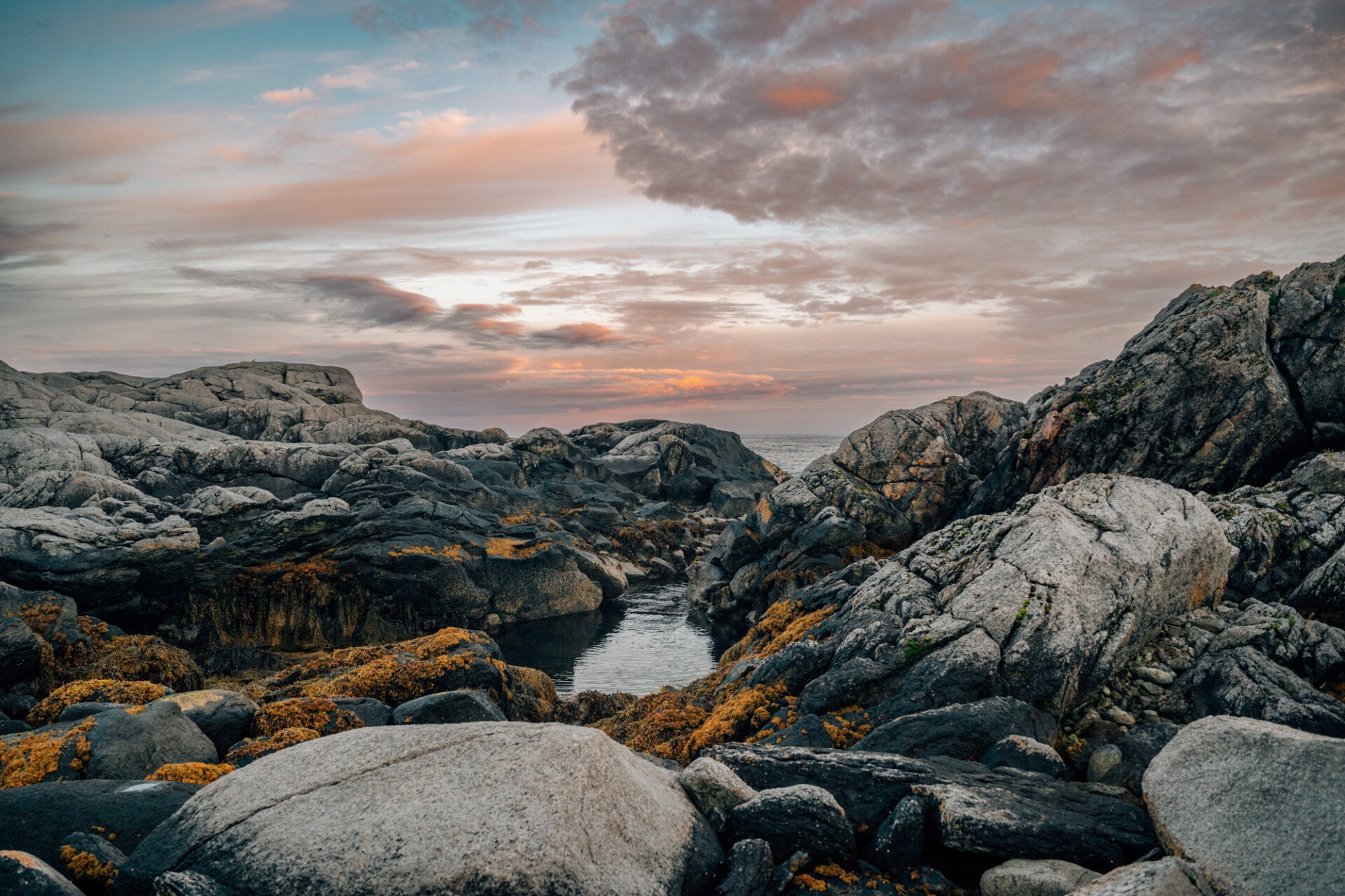
Norway never became a replacement for Greenland, and it did not need to. Somewhere between Svolvær, Trollfjorden, Nusfjord, Reine, Hermansdalstinden, Værøya, Vokkøya and Bodø, the journey stopped feeling like what was left of the expedition we had lost and became an adventure of its own.
And while we may not have reached Greenland this time, by the end of our journey one thing was clear: we were already talking about how to get there next time.
Saeny Blaser, Photographer & Filmmaker
Add comment
Comments