

Project 68° North Blog #1
My name is Saeny and I’m joining Project 68° North as photographer, filmmaker and crew member. This will be my third voyage with Skipper Andy and I’m looking forward to heading north together once again.
In an age of permanent connectivity and instant convenience, this expedition goes the other way.
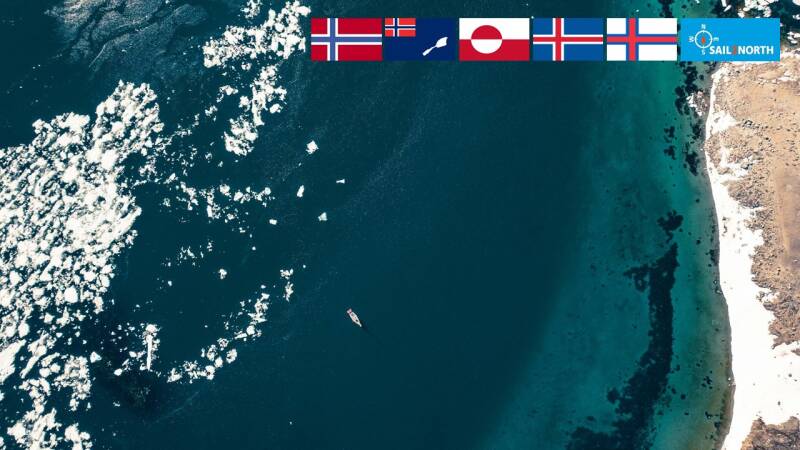
For five weeks in summer 2026, a small crew from Switzerland, Israel, France, Croatia, Estonia and Lithuania will sail a bold arc across the North Atlantic – from the Lofoten Islands to Jan Mayen, East Greenland, Iceland and the Faroe Islands. Travel is reduced to its essentials: sea, weather, ice, and the people right next to you.


photography, videography, and documentation

Cases for Guns, Food, Safety, Sat Phone, First Aid

Life Vest
Safety Lines

Sailing Jackets

Advanced Medical Kits & Support

Polar Bear Protection Gun & Pistols

Signal pistol ammunition

Custom Printing on Jackets and Bags

Expedition Banners and Flags

Sun Glasses

Digitization and Printing of Navigation Charts

Emergency biviac tents, stoves, and mats

Iridium go!
Iridium go! exec
Iridum Extrem

inreach mini
boating map

Weather Model

Drones
Action Cams

Cameras

Radios

Dry suits
Kayaks
Expedition Sailing vessel

Greenland National Parc Insurance

Skipper & Crew Insurance
Expedition Beerenberg Support

Proficiency Medical Care Training & Certification

National Parc
Permits
5 weeks at sea
9 people on board
1 steel expedition yacht
2,500 nautical miles across the North Atlantic
4 major offshore crossings
0 ports, only remote anchorages
Project 68°N is a multidisciplinary northern expedition by a 9‑person crew, connecting Arctic locations and embracing the spirit of adventure, isolation and team cohesion. It is not a record attempt and not a luxury cruise. It is a deliberate step into environments that are indifferent to us – ice, fog, long crossings and remote anchorages – to see what remains when comfort and constant stimulation disappear.
The core experiment is simple: 9 people, 60 square meters of shared space, five weeks of 24‑hour watches and no quick exit. There are no ports on our route, only anchorages. There is no resupply, only what we can carry, repair and ration. Connectivity is reduced to a minimum. In this closed system, every action, every attitude and every silence affects the whole.
We call the expedition “Back to the Elements” because it strips travel down to sea, weather, ice and human presence. There is no algorithm curating our day and no instant escape from rough conditions. The elements decide when we can move, when we must wait, and how much we have to adapt. Our response is seamanship, preparation and teamwork.
We are not extreme athletes. We are a diverse group of ordinary professionals and explorers who want to understand what real isolation and constant responsibility do to humans, leadership and cohesion. The boat becomes our only refuge and our entire world. The aim is to come back not with new records, but with better stories about how people behave when routine breaks and nature sets the rules.
During the expedition, we limit technology to what we genuinely need for safety and navigation. Smartphones stay away. We use dedicated devices for GPS, satellite communication and navigation, and restrict digital contact with the outside world. Once a week, we check essential messages on a laptop. Everything else is replaced by watches, maintenance, cooking, navigation, reading, writing and looking outwards.
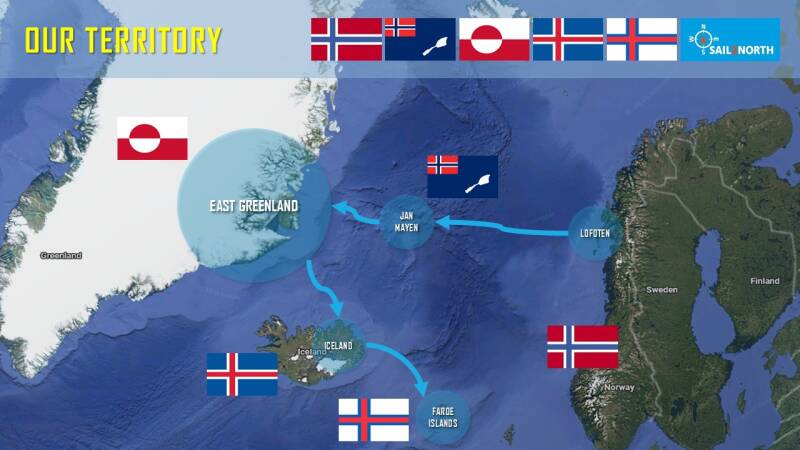
Our route traces a wild arc across the North Atlantic. It starts in the Norwegian Lofoten Islands and bends westward through Jan Mayen and East Greenland, before turning south to Iceland and east to the Faroe Islands. Each segment combines offshore passages, ice‑affected waters and demanding landings in places where there is no simple retreat.
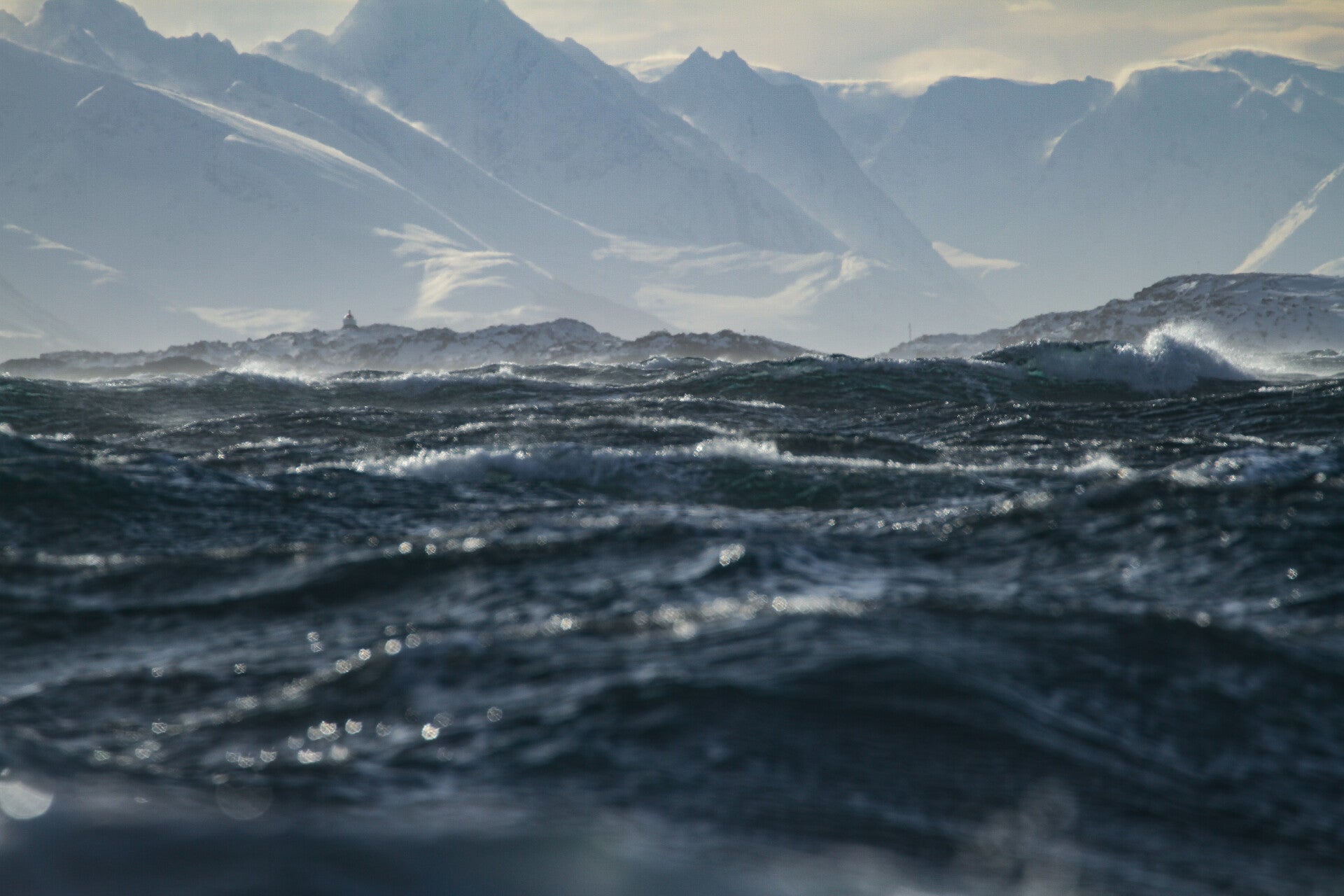
We begin in Svolvær, in the Lofoten archipelago north of the Arctic Circle. Here we prepare the boat, train together on deck, and spend our first nights at anchor between steep fjords and exposed ridgelines. Lofoten is our shakedown: a place to test systems, routines and crew dynamics before we leave the relative comfort of coastal Norway.
From Lofoten we set course for Jan Mayen, a remote volcanic island dominated by the 2,277‑meter Beerenberg stratovolcano. The crossing takes several days of non‑stop sailing through open North Atlantic water. If conditions and permits allow, we land on Jan Mayen to explore this surreal, glaciated outpost, where weather, sea state and logistics decide everything.
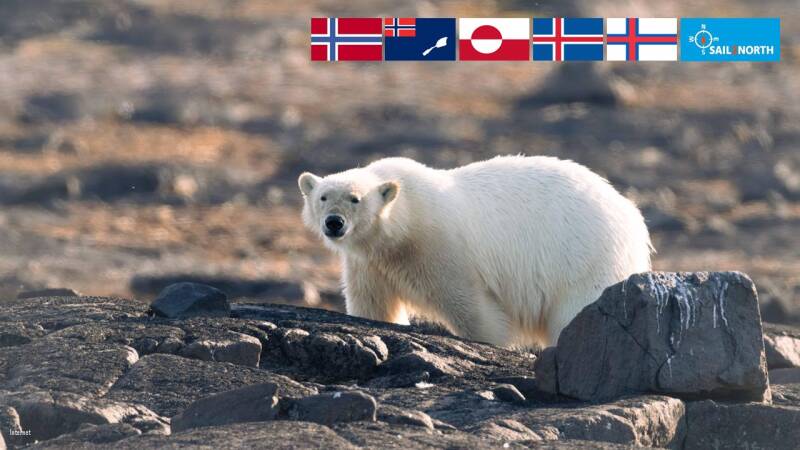
The next leg carries us towards East Greenland and the fjord systems around the Watkins and Stauning Alps. Here, nunatak peaks rise out of the inland ice, and landings are shaped by sea ice, tides and polar bear territory. Approaches can involve glacier travel and long days on foot. In this region, the transition from sea to land is as committing as the crossings themselves.
Turning south, we cross to Iceland and make landfall near Vatnajökull, Europe’s largest glacier. Above it stands Hvannadalshnúkur, a 2,110‑meter summit on the rim of an ancient volcanic crater. This part of the journey brings together ice caps, active geology and fast‑changing coastal weather – a sharp contrast to the static appearance of the Greenland ice sheet.
Our final leg leads to the Faroe Islands, a compact archipelago of steep ridges, Atlantic cliffs and rapidly shifting conditions. Peaks like Slættaratindur rise directly from the sea, and winds can change in minutes. It is the last test of our seamanship, route‑finding and teamwork before we return to more familiar latitudes.
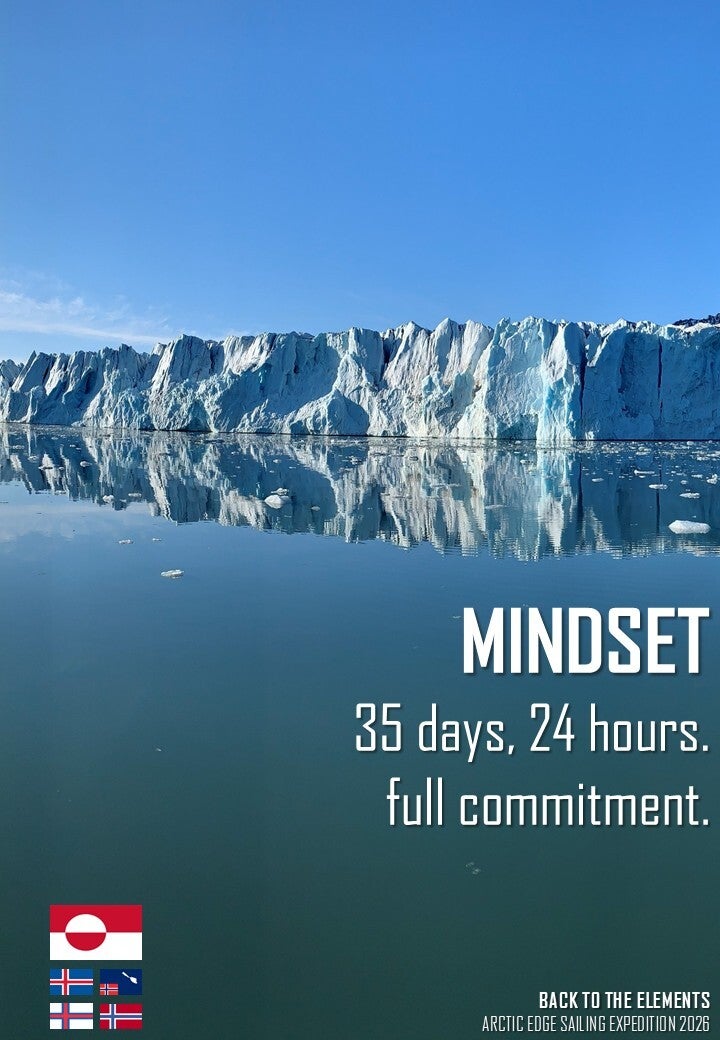
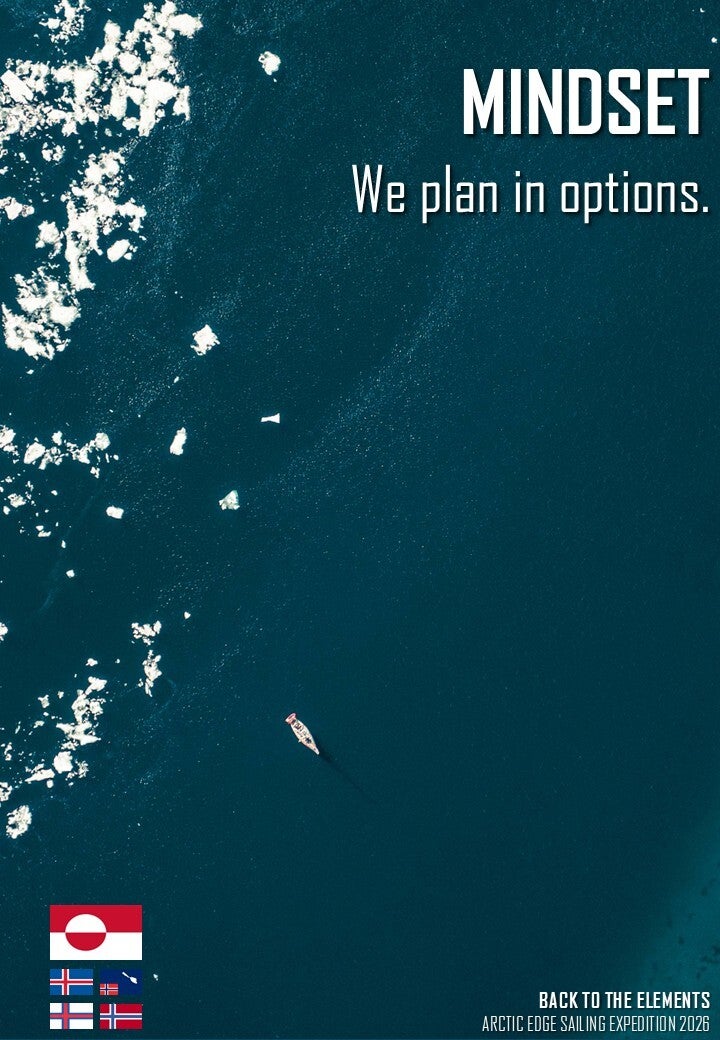
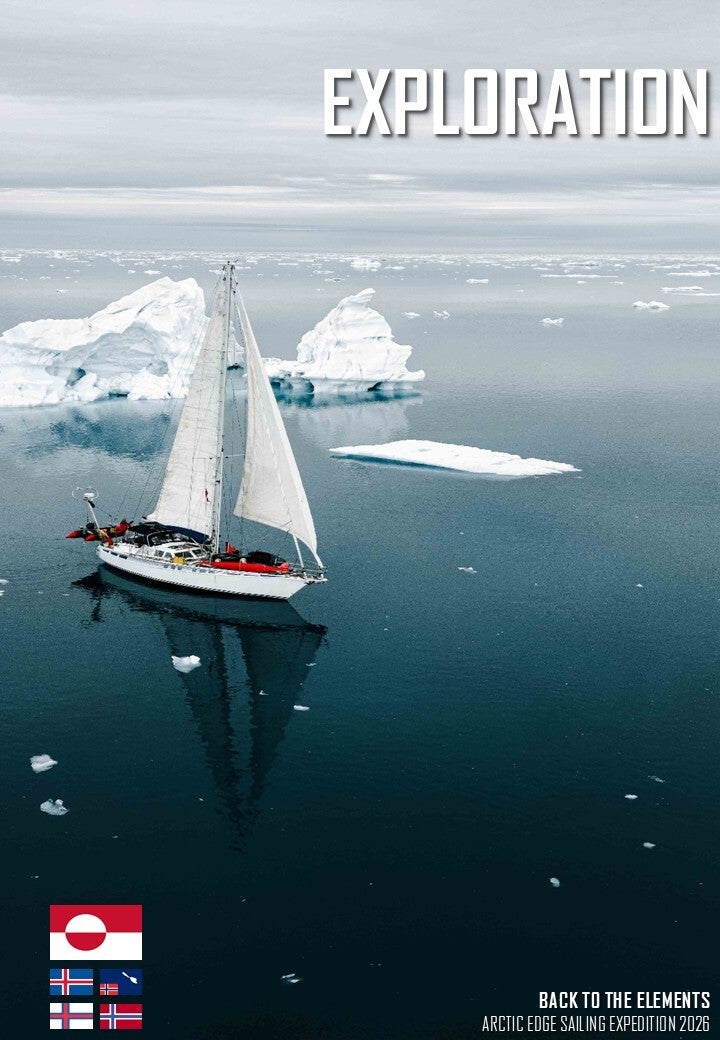
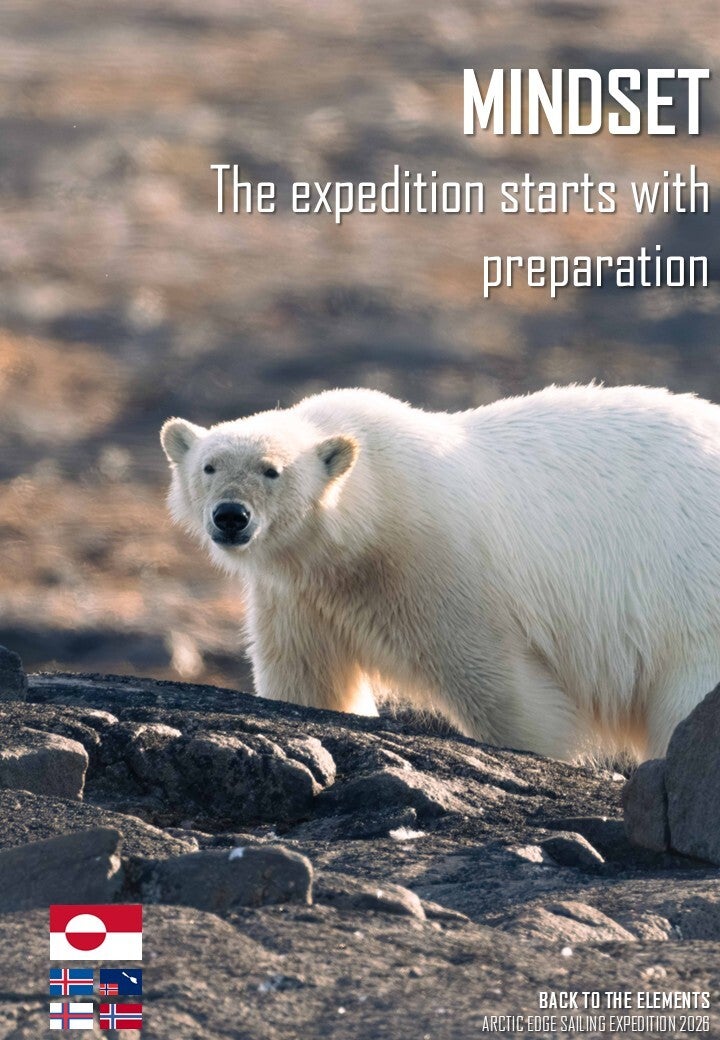
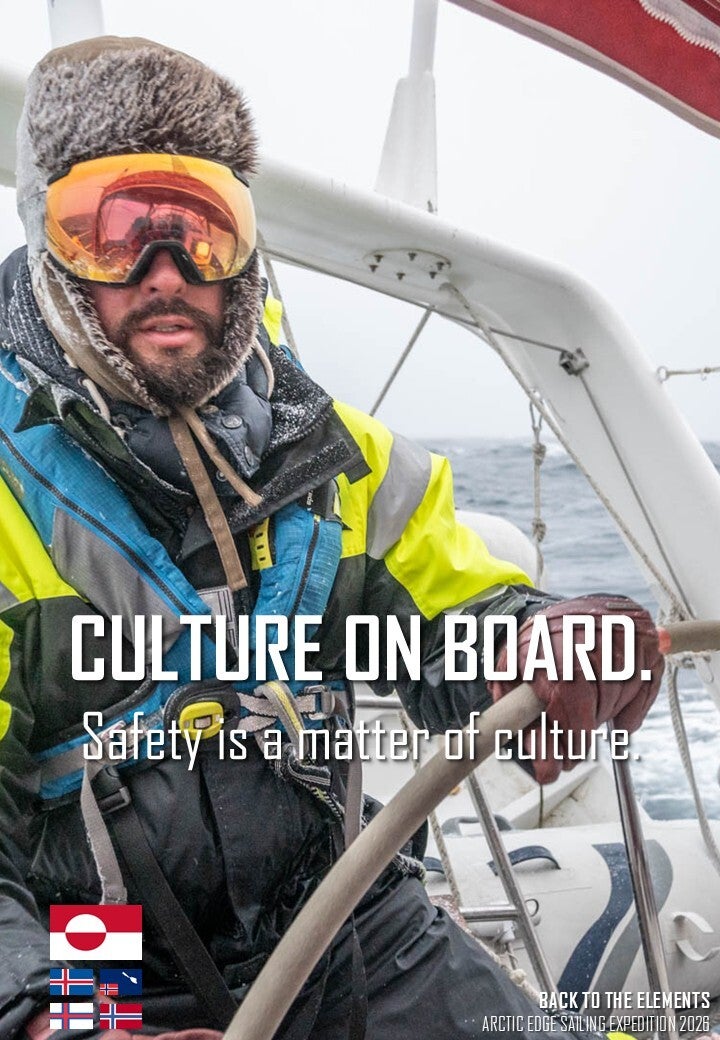
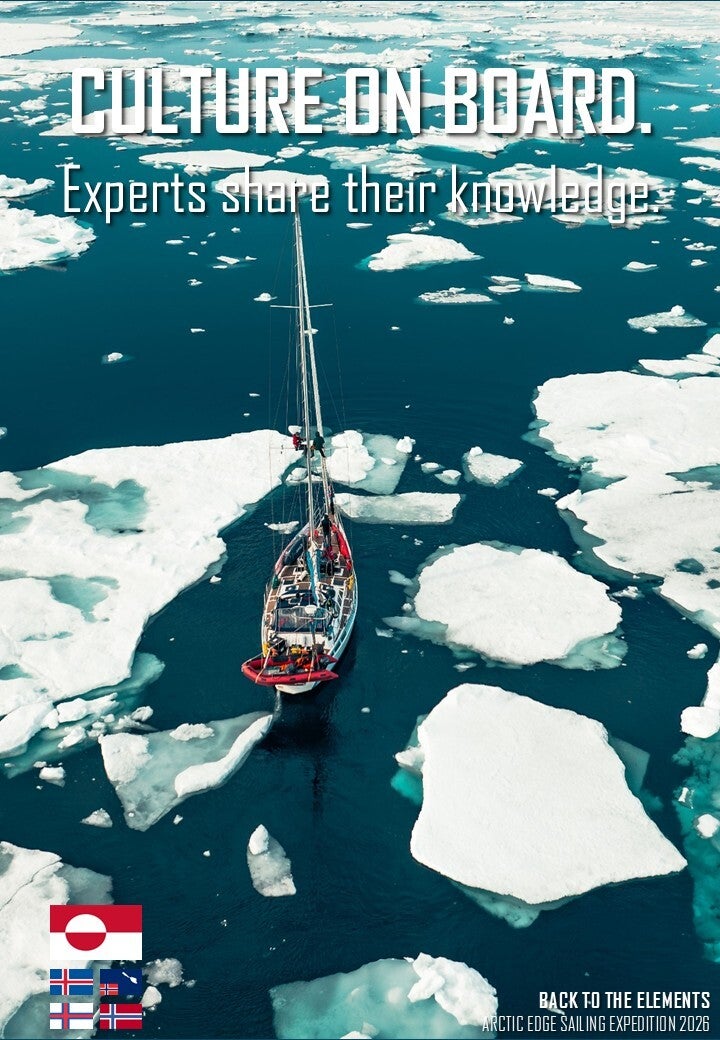
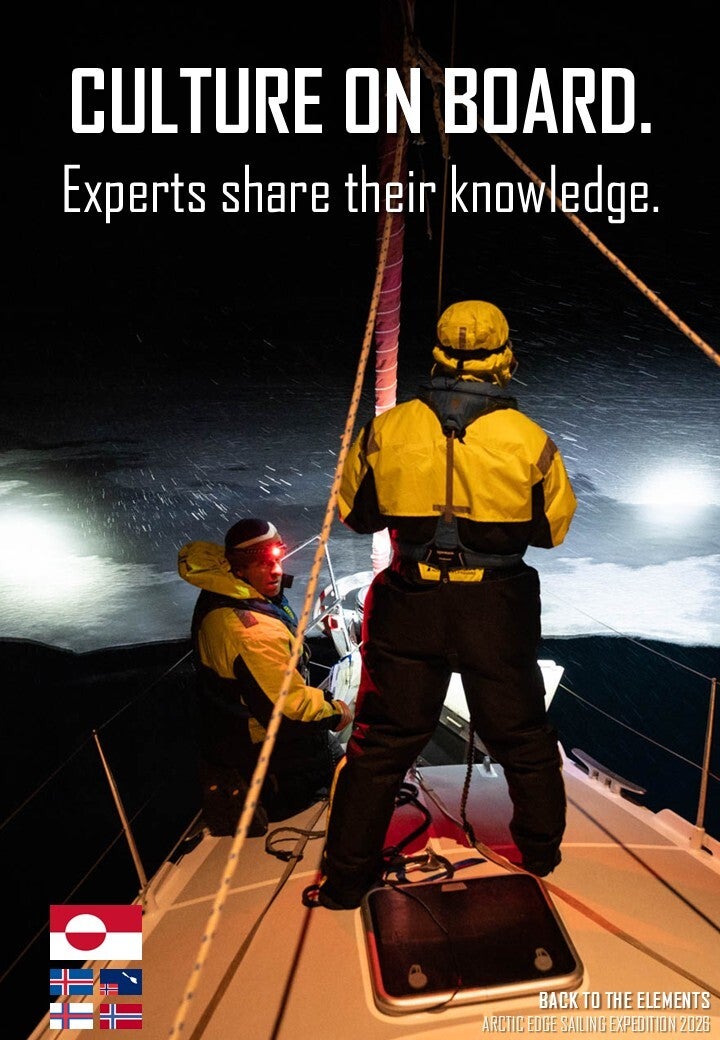
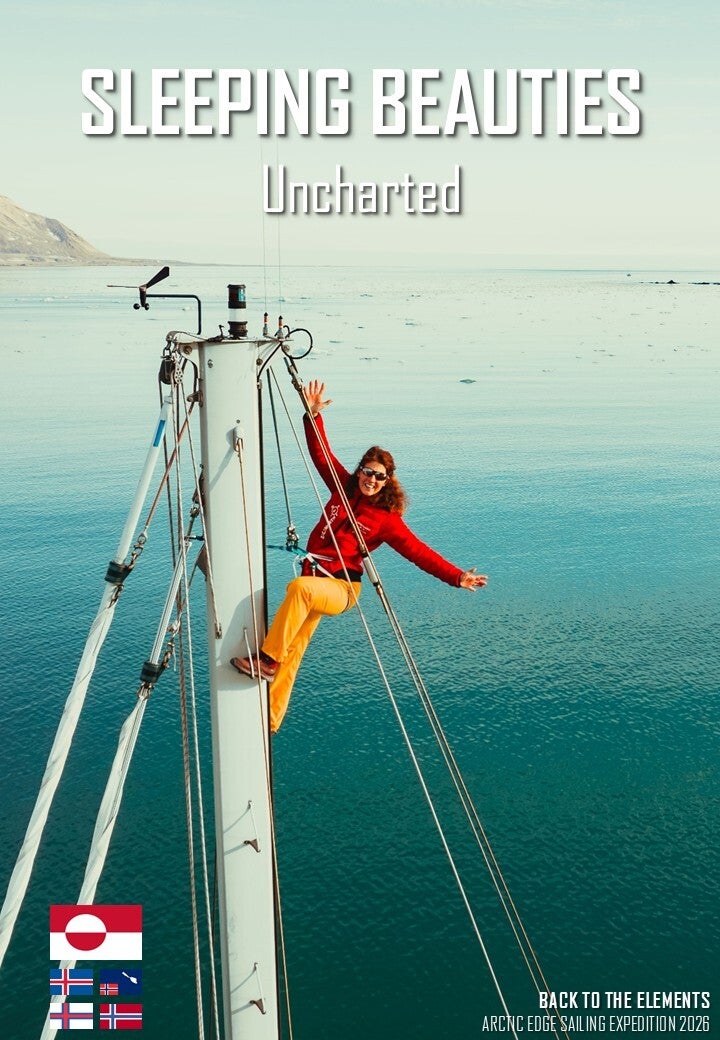
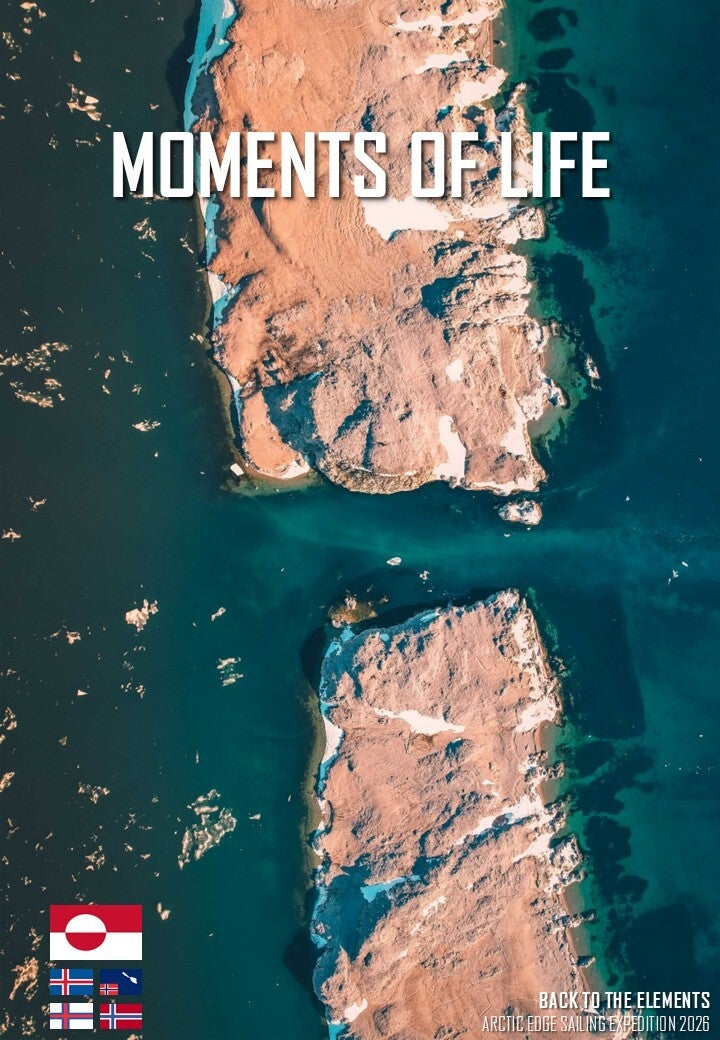
A boat is defined by its crew. Project 68°N brings together ten people from different countries and backgrounds – sailors, engineers, doctors, storytellers and outdoor specialists. Some have crossed oceans, some have led expeditions in ice, and others add skills in medicine, safety, photography and logistics. All of them come not only to travel north, but to contribute to the shared life on board.
Skipper
Expedition Leader
Andy – Switzerland

First Mate
Boat Safety
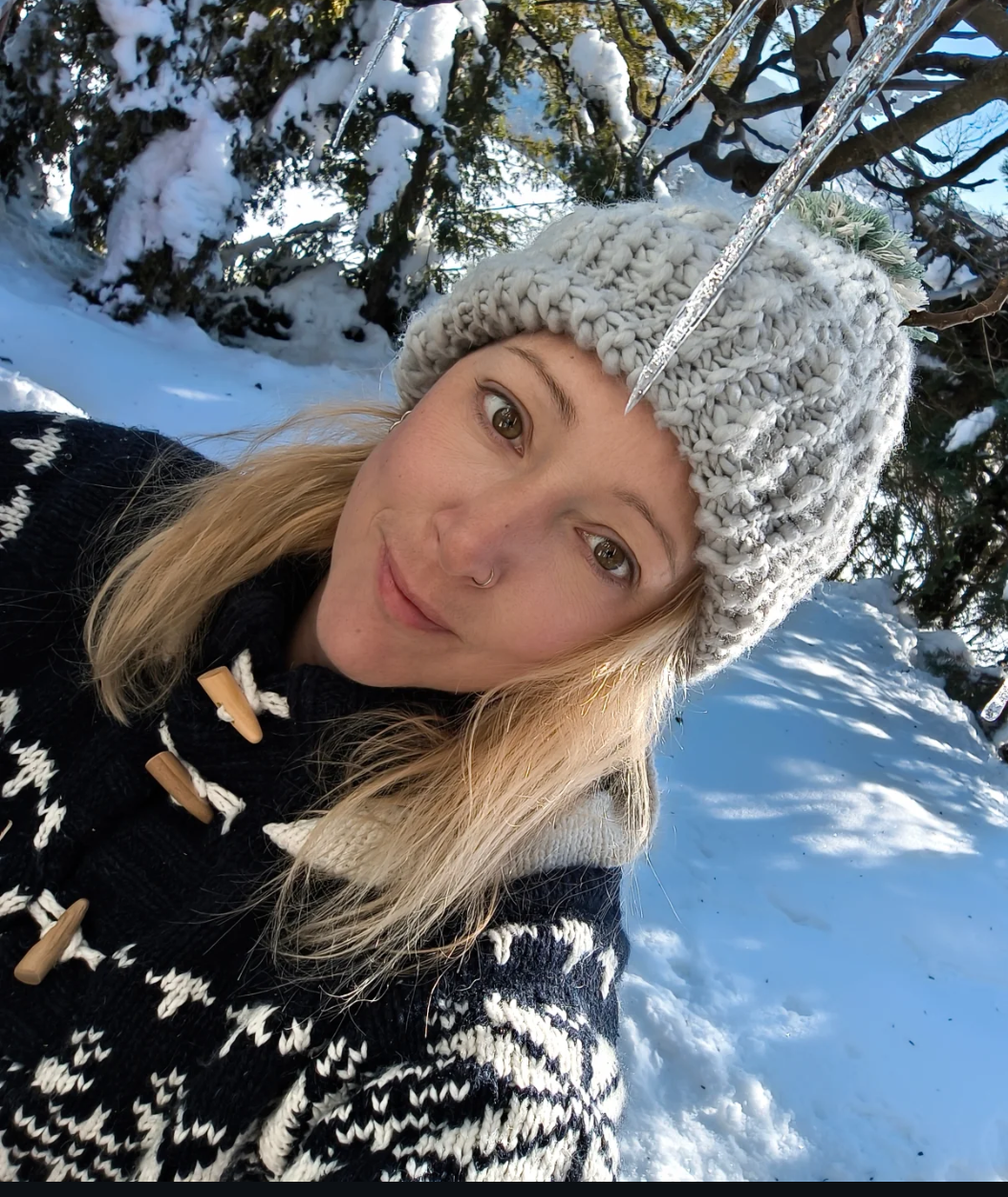
Ema – Croatia
Watch Leader
Medic & Climbing Lead

Andrea – Switzerland
Watch Leader
Gun Safety - Outdoor Sea Lead

Niv – Israel
Watch Leader
Food & Logo Lead

Martin – Switzerland
Deckhand
Photos & Documentary Lead
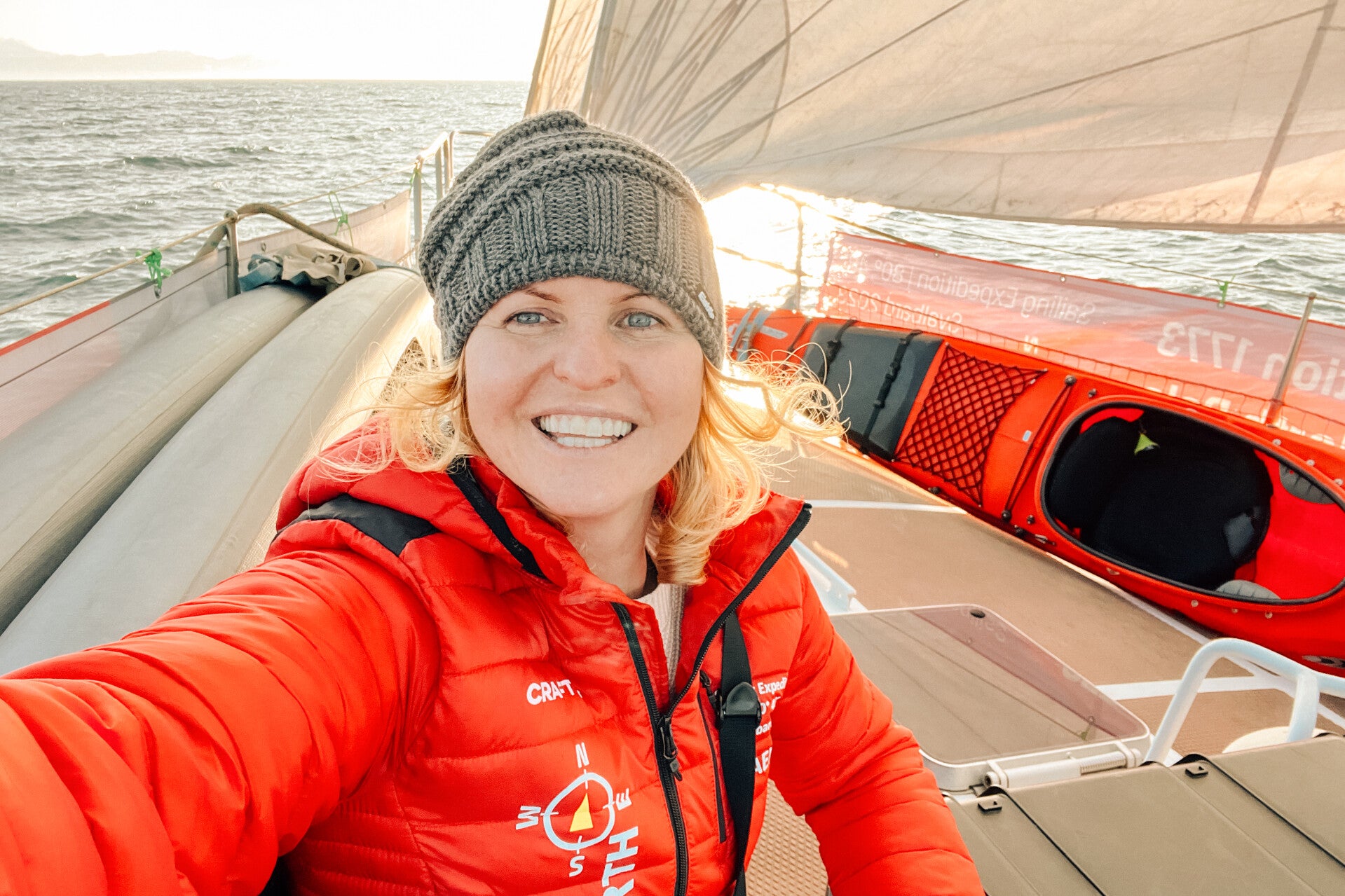
Saeny – Switzerland
Deckhand
Story & Blog Lead

Alex – France
Deckhand
Outdoor Land & Sea

Alex – Switzerland
Second Mate
Bosun / Mechanic Lead

Dima – Estonia

Around 2,500 nautical miles of sailing in all weather, expedition style.
Four major offshore crossings, adding up to roughly 1,500 miles of open ocean.
Continuous watch system: 24‑hour watches over roughly 30–35 days.
9 expedition members sharing about 60 m² of living space.
No marinas, no towns on the route, only anchorages and landings.
Minimal comfort, minimal connectivity, maximum responsibility.

There are not many yachts capable of autonomous expeditions north of the Arctic Circle and into polar latitudes. "Legend of the Arctic" is one of them: a steel‑hulled expedition yacht with the weight, redundancy and history to support long missions in cold, remote waters.
"Legend of the Arctic" is not a marina boat. She was designed and equipped for high‑latitude sailing: heavy displacement, strong construction, protected cockpit and systems that can handle cold, damp and constant movement. The layout is compact but highly functional, with enough storage for weeks of provisions and equipment, and a deck plan tailored for work in layers of clothing, harnesses and gloves.
"Legend of the Arctic’s" story starts long before Project 68°N. Built as one of a small series of robust sailing prototypes and refined by an engineer for his own high‑latitude dreams, she has been adapted and upgraded for modern Arctic use over the years. Today, she combines the character of an older expedition boat with updated systems, making her both a piece of sailing history and a capable partner for new voyages.
Length overall: approx. 17.6 m
Displacement: about 42 tons
Hull: steel, designed for high‑latitude sailing
Rig: robust cutter/sloop configuration with orange sails for visibility
Engine and power: built for redundancy and long ranges
Home waters: North Atlantic and Arctic regions
Inside "Legend of the Arctic" , every item has a purpose. The boat carries survival suits, life rafts, satellite communication equipment, emergency bags, spare parts and tools for repairs at sea. Comfort is present, but secondary. The primary design question for every feature is: does it increase safety, reliability or capability in the conditions we expect?

This expedition is about true self-sufficiency. You won't find any ports here – only remote anchorages. There's no resupply; we operate with full self-sufficiency. 9 expedition members will share just 60 m² of space, with minimal connectivity and comfort. It's an opportunity to discover resilience and connection away from the modern world.
During the expedition, this space will host short field notes, photos and route updates – whenever conditions and connectivity allow. Do not expect daily posts. The North Atlantic decides when it is possible to write, send and share. In between, the story continues offline on board "Legend of the Arctic".
.
17 Jun 2026 06:04
My name is Saeny and I’m joining Project 68° North as photographer, filmmaker and crew member. This will be my third voyage with Skipper Andy and I’m looking forward to heading north together once again.
A live tracker will show "Legend of the Arctic" approximate position and progress along the route: crossings, anchorages, weather windows and key milestones. It will not be a constant live stream, but a practical window into where the boat actually is between the Lofoten Islands, Jan Mayen, East Greenland, Iceland and the Faroe Islands.
coming soon

Get ready for a continuous test of endurance and teamwork. Expect 24-hour watches for 35 days non-stop. This journey is designed to push boundaries and forge unforgettable bonds, bringing you closer to yourself, your crew, and the raw power of the Arctic. Are you ready for the ultimate challenge?