

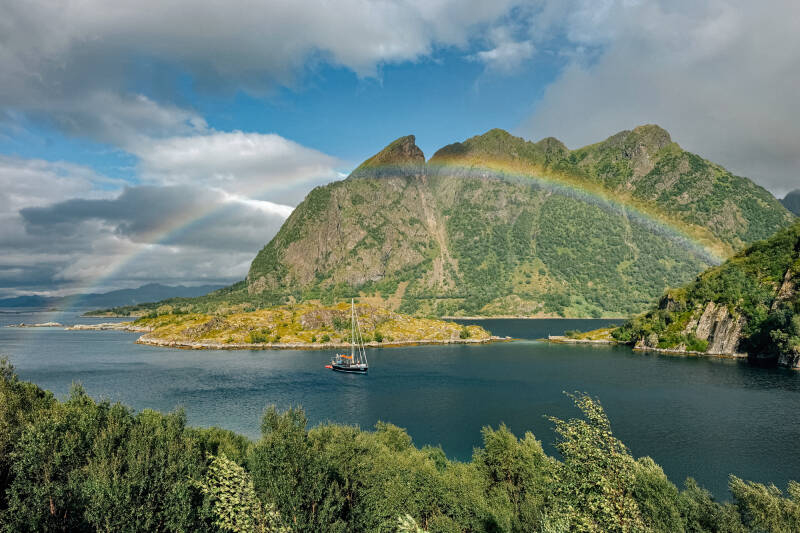
We were ready for takeoff.
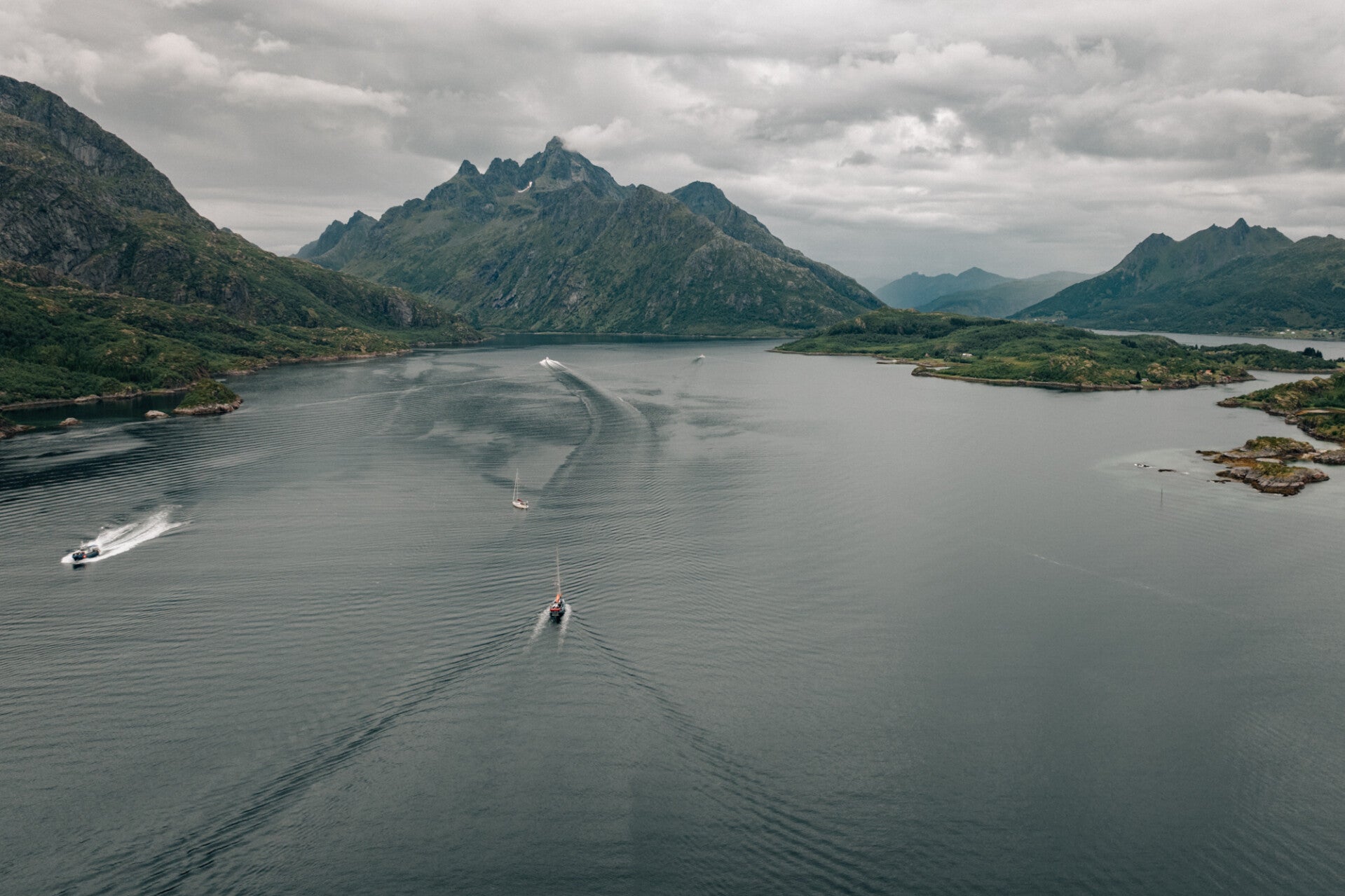
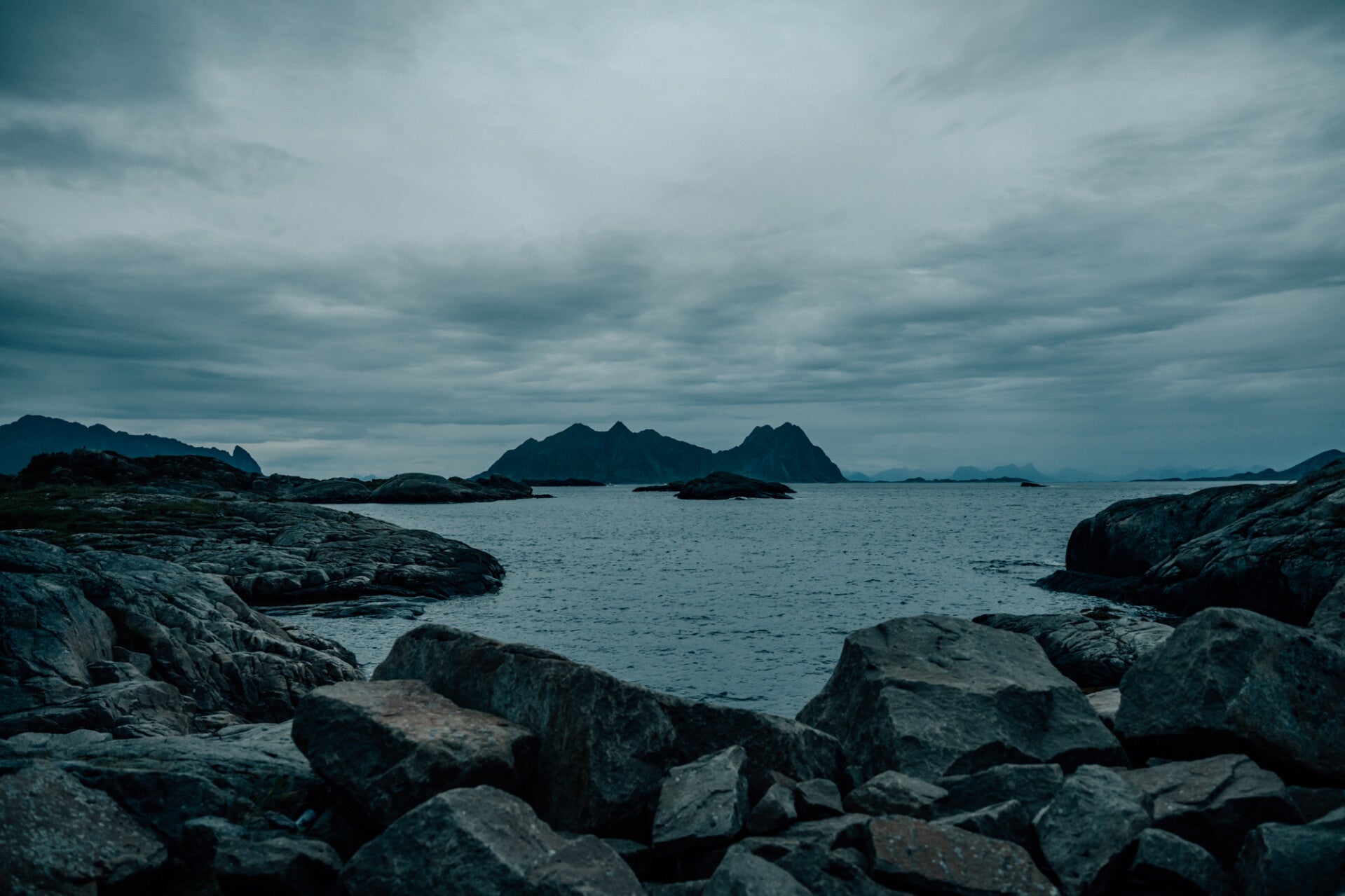
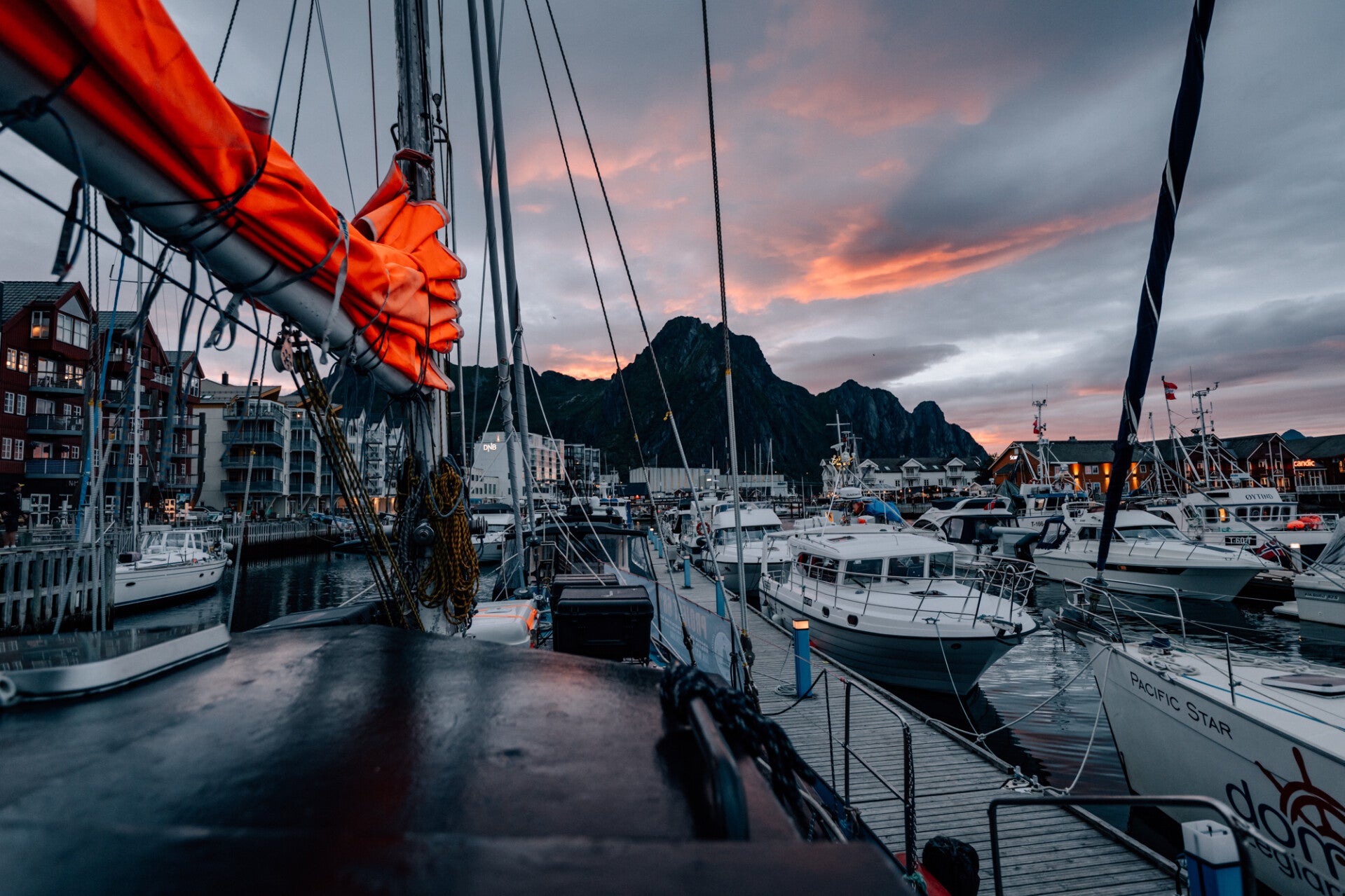
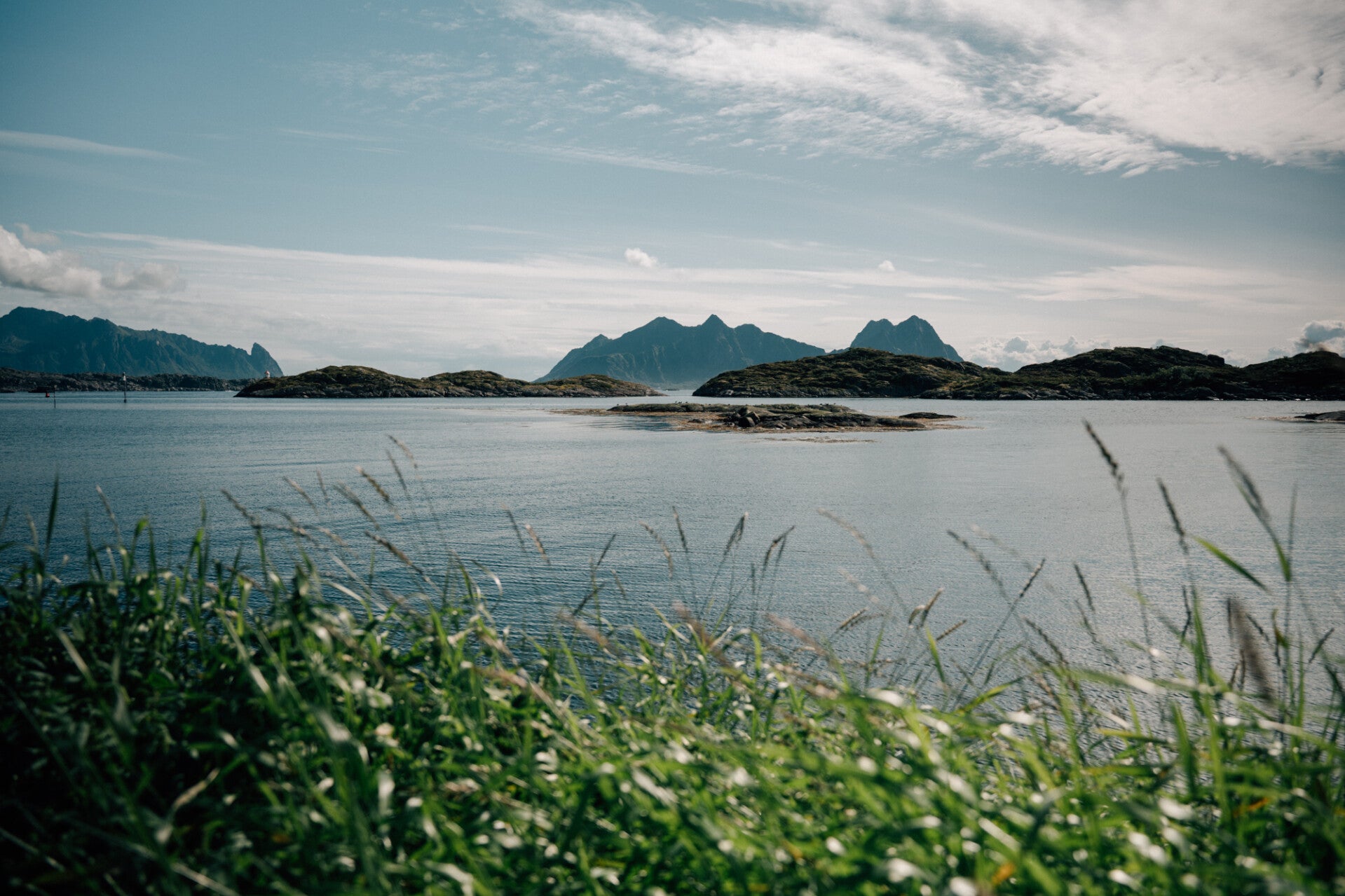
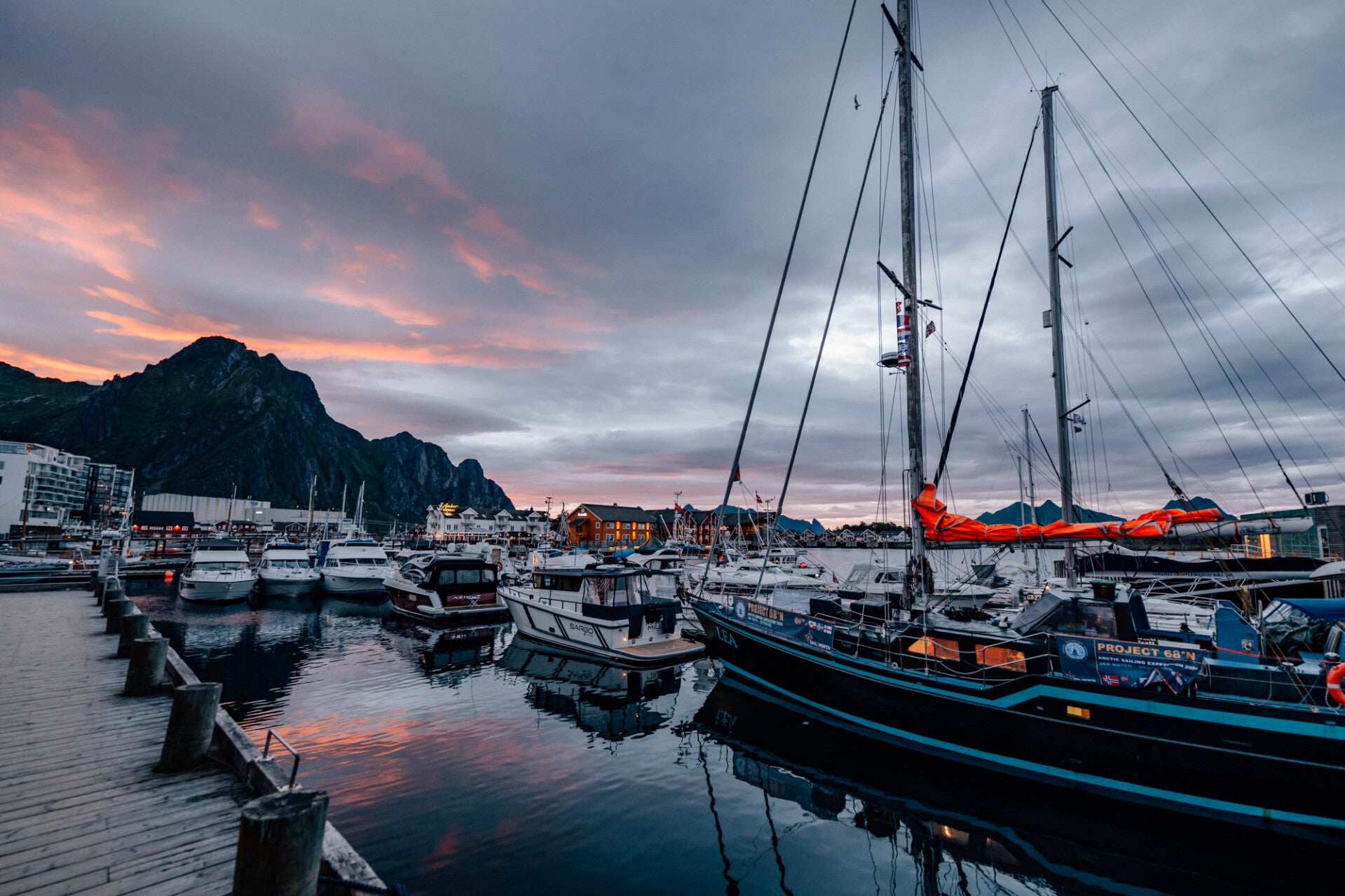
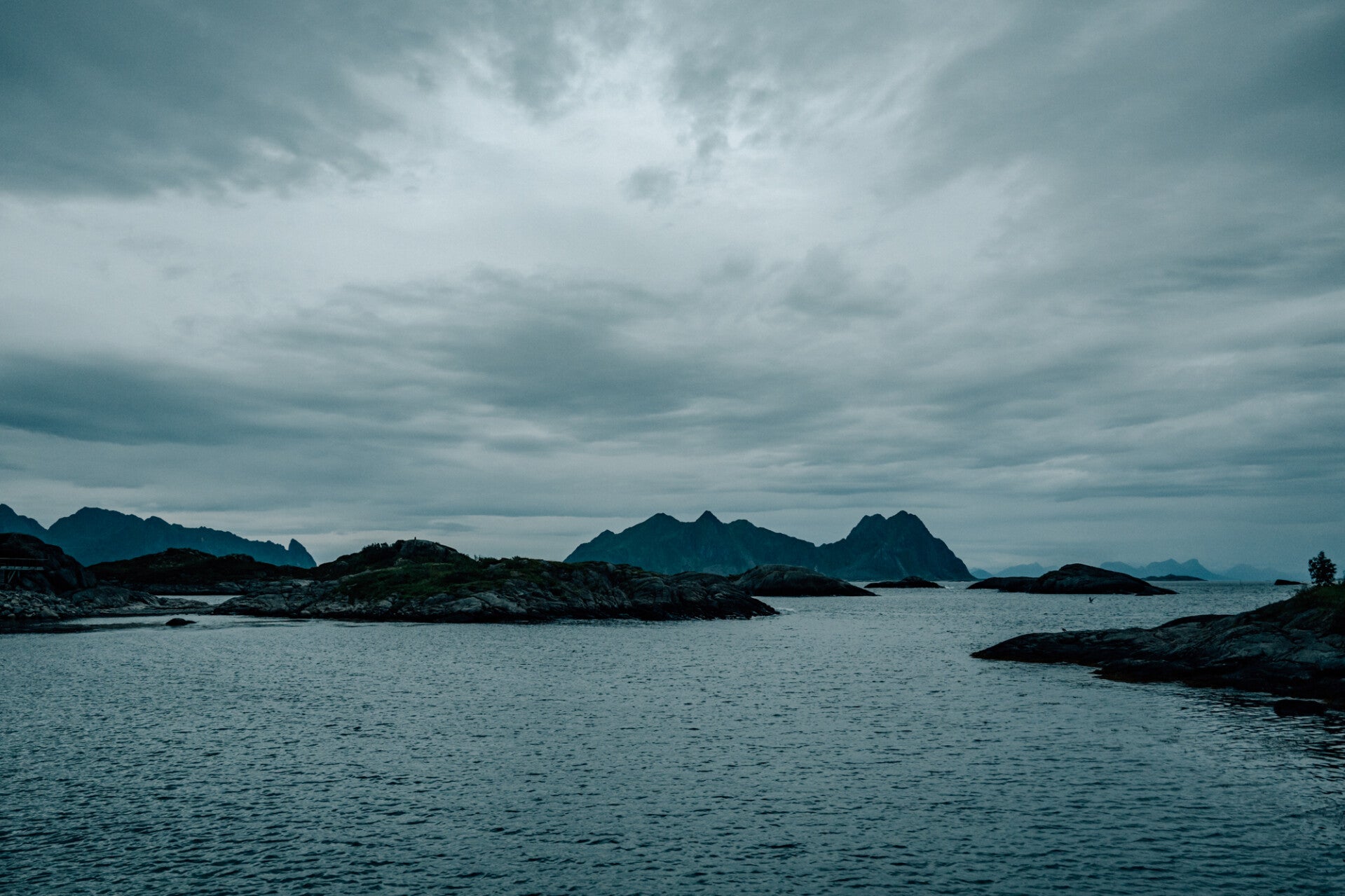
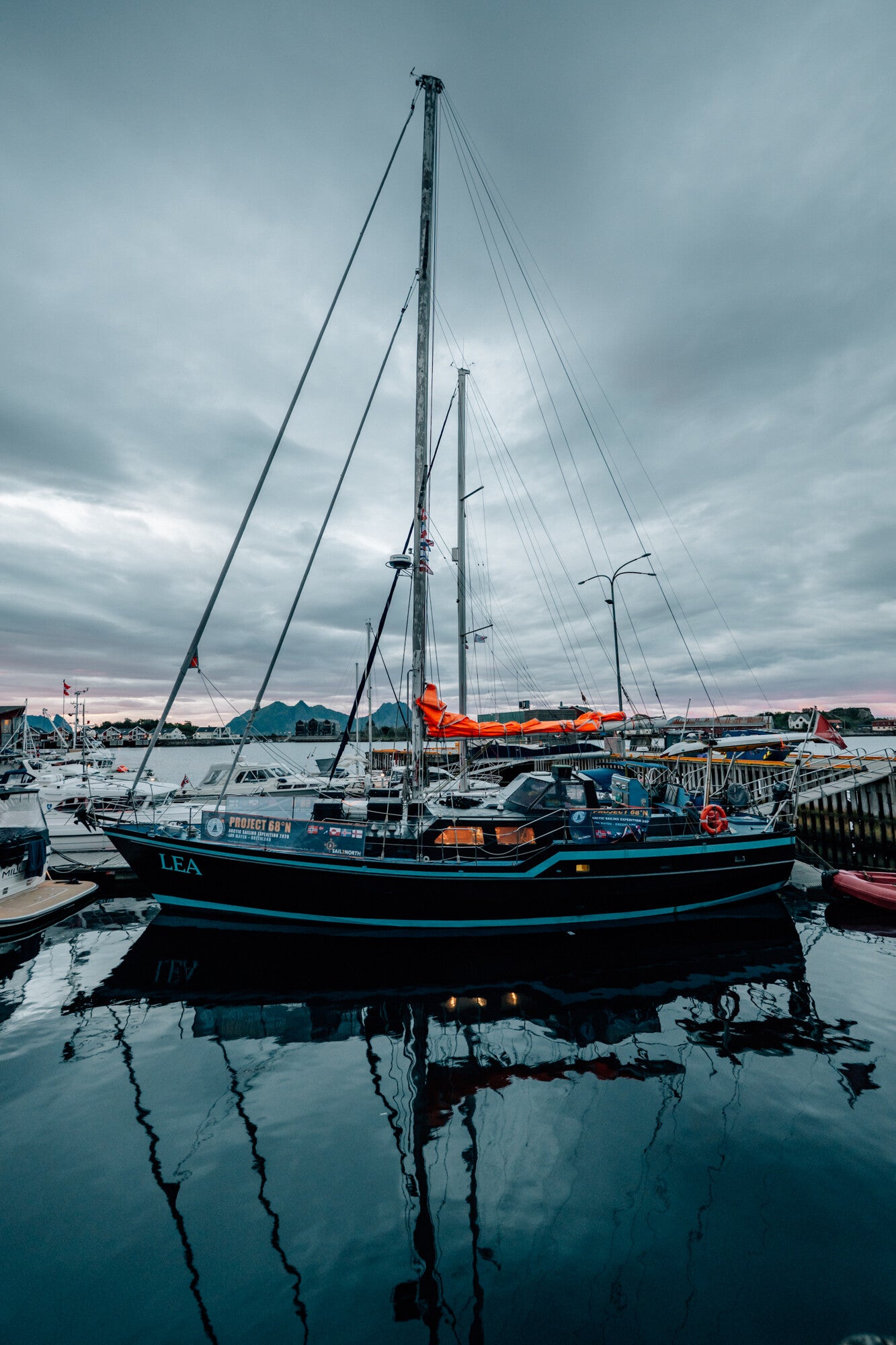
After days of preparation in the Lofoten Islands, systems checked, crew aligned, mindset focused, we stood at the threshold of departure. The route ahead was clear: Jan Mayen, East Greenland, Iceland, Faroe Islands. The North Atlantic arc lay in front of us.
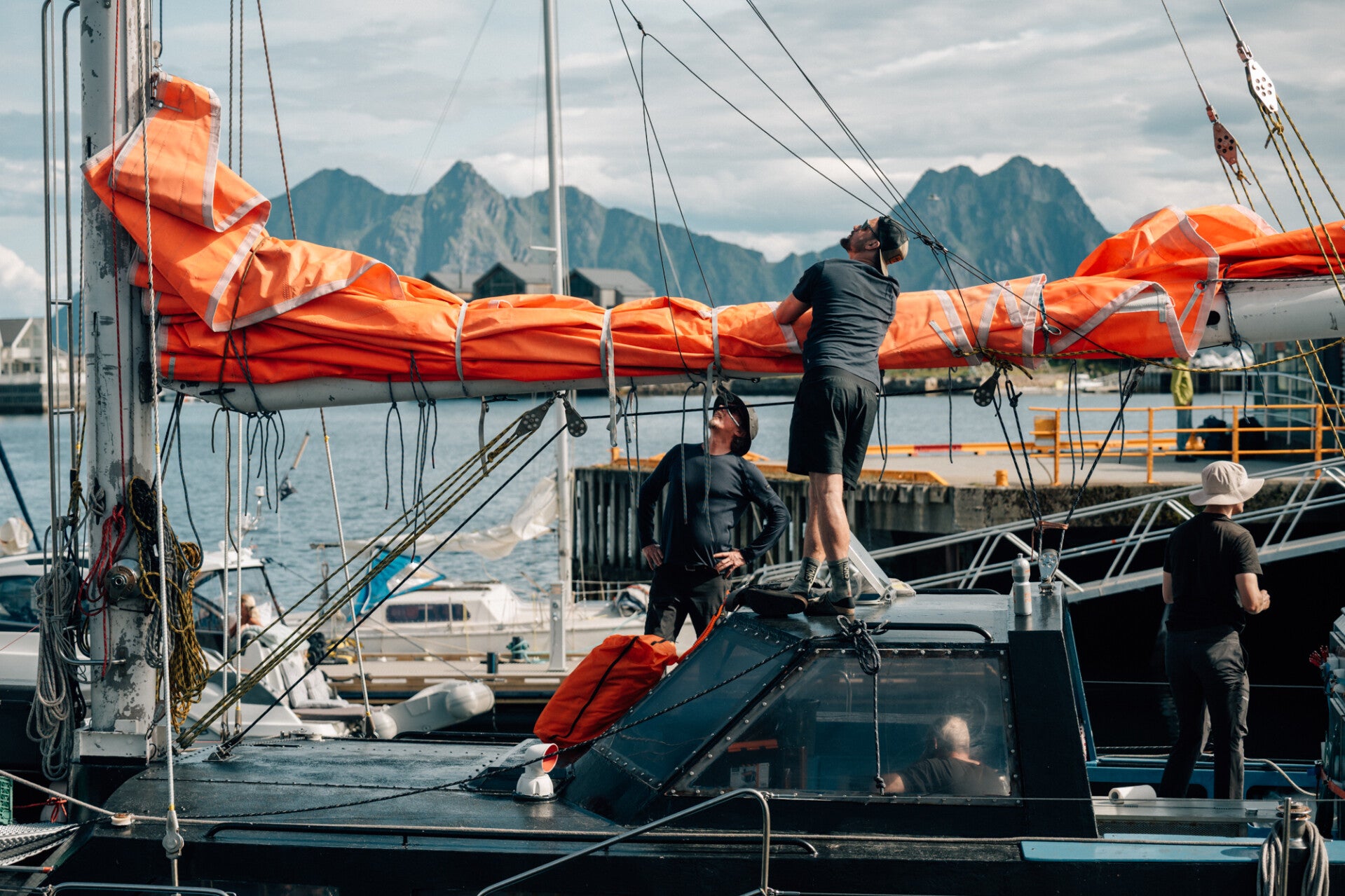
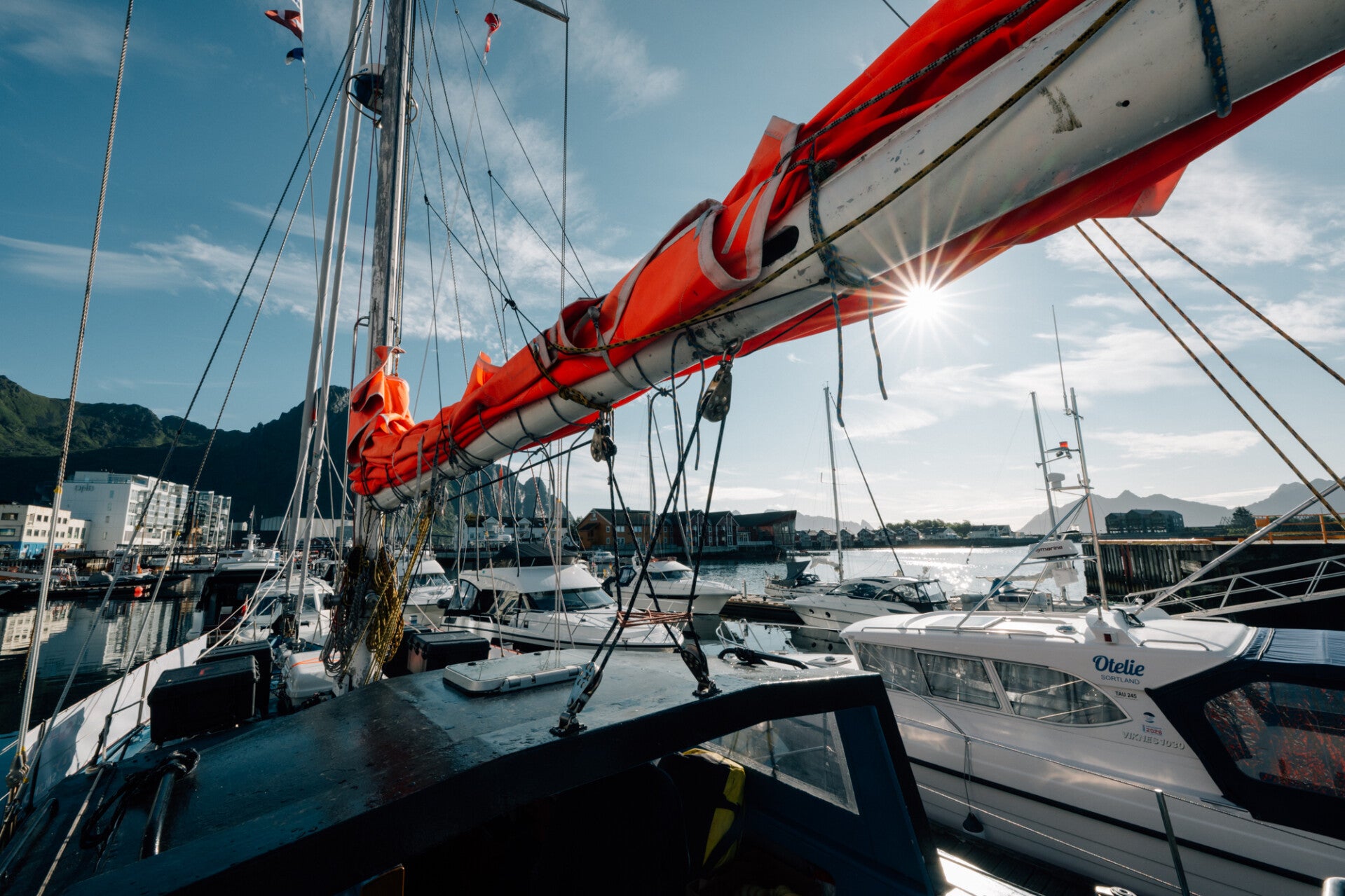
Then, during the final inspection, our equivalent of the last check before throttle-up, we discovered a structural crack in the mast base.
To explain the gravity of this: imagine an aircraft already on the runway, engines running, fully cleared for a transatlantic flight. Suddenly, a master alert forces the crew to abort. The aircraft returns to the gate. Even a seemingly minor technical issue can be enough to ground a long-haul flight. In aviation, a transatlantic departure is a strict “no-go” if critical systems are not fully operational.
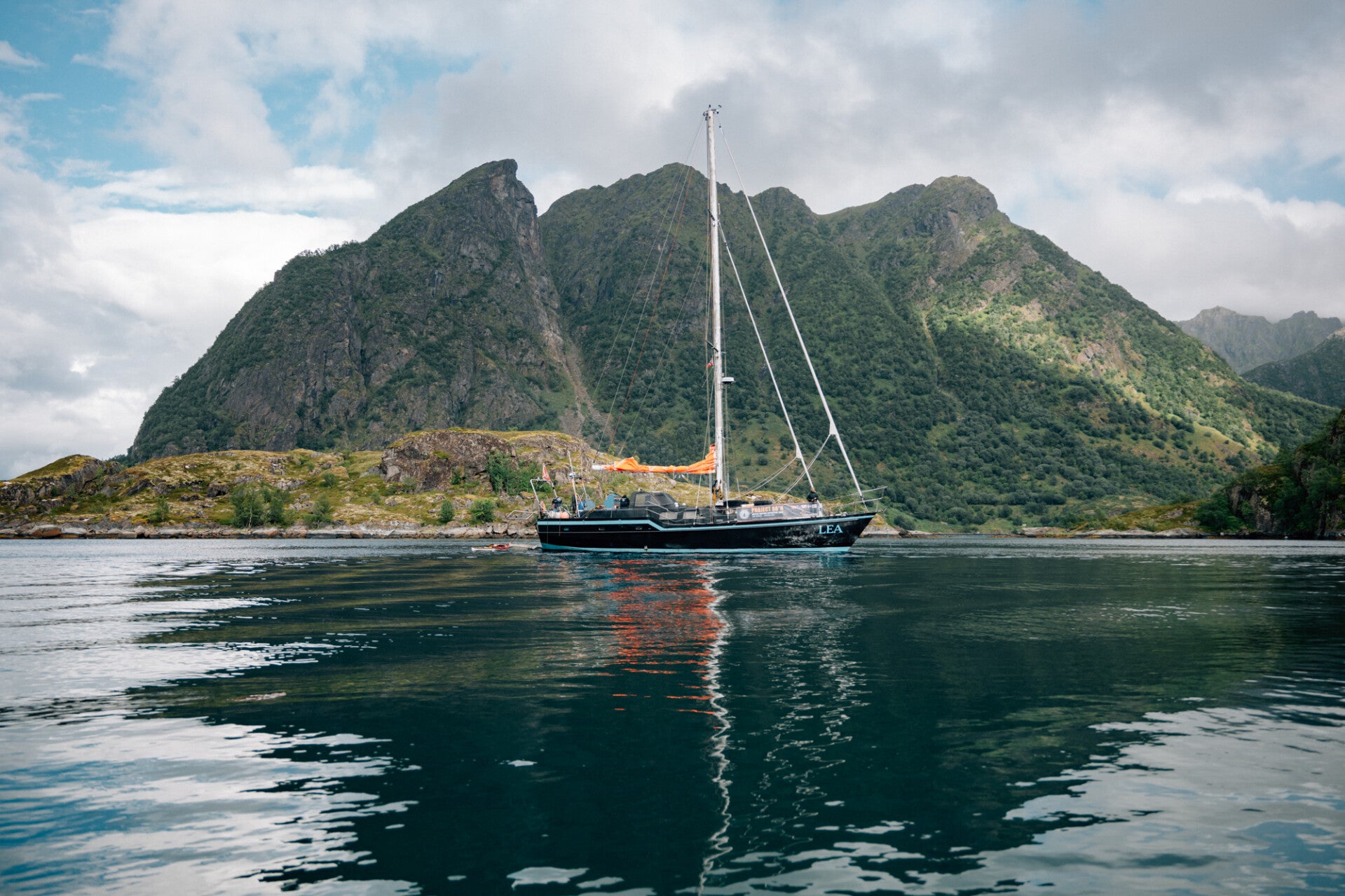
At sea, our threshold is even less forgiving. The mast is not just another component. It is fundamental to the integrity and safety of the vessel. A crack in the mast base is not a minor defect, it is existential.
A North Atlantic crossing is among the most exposed and demanding environments a sailing vessel can face. It is remote, unpredictable, and unforgiving in both sea state and wind. There is no quick exit, no nearby harbor, no external support. In such conditions, boat and crew must be able to rely on absolute structural integrity.
This was not the case. As skipper, I made the decision to abort the expedition. I make decisions based on three priorities: safety, legal compliance, and financial implications, in that order. Safety alone made this decision unavoidable.
We are deeply disappointed. There is no way to soften that. Greenland and Jan Mayen represent exactly what this expedition set out to explore: remoteness, exposure, and the raw interface between humans and the elements.
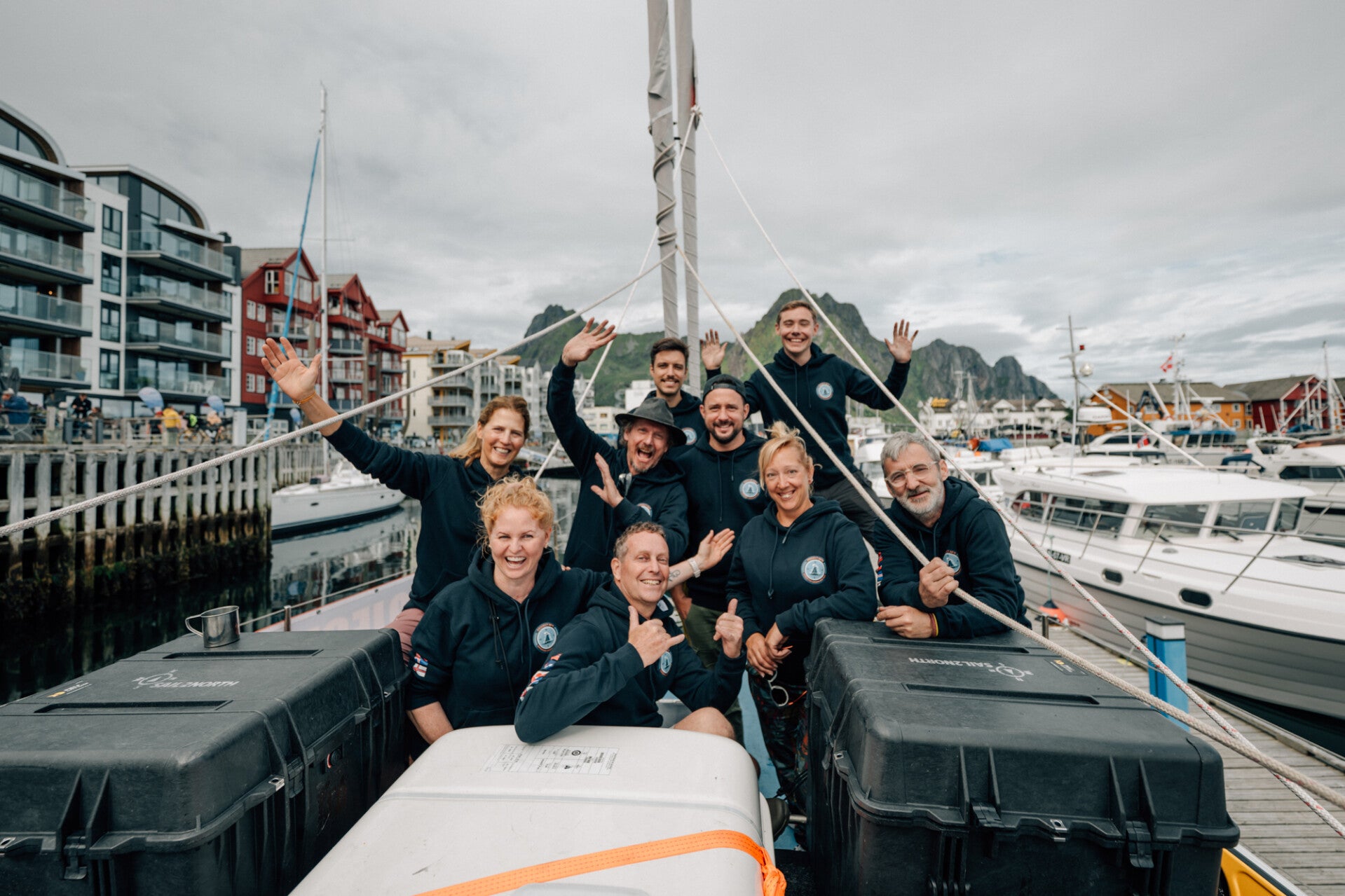
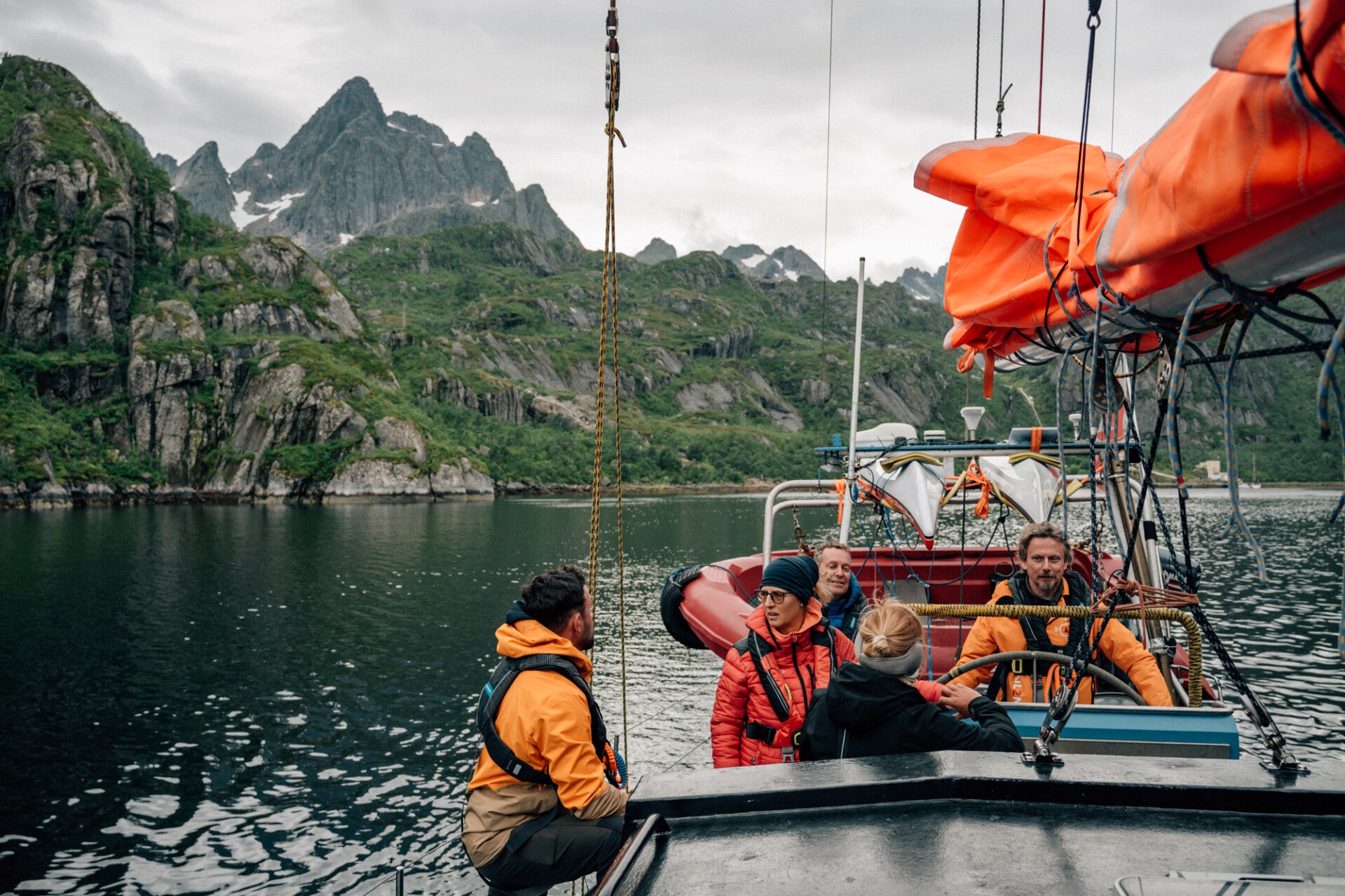
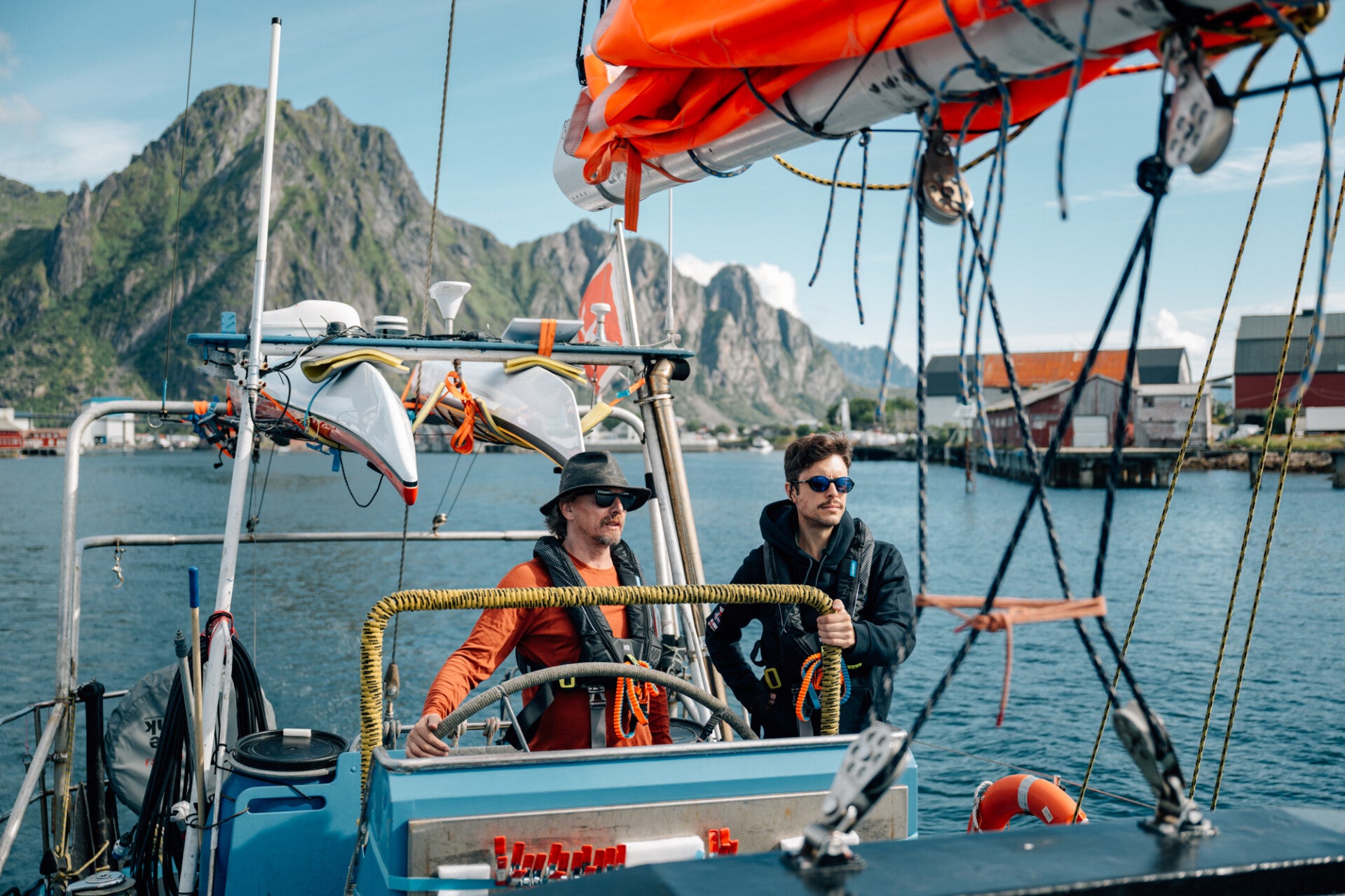
And yet, this is also the expedition. From the beginning, Project 68°N was never about ticking geographic boxes. It is a social and human experiment: nine people, confined space, isolation, responsibility, and uncertainty. We set out to understand what happens when plans meet reality, when control gives way to external forces.
Now we know. This moment, this decision, this shared disappointment, this recalibration, is part of that experiment. Perhaps even its most honest expression.
We will return. The Arctic is not going anywhere. Greenland and Jan Mayen remain on our horizon, and we will attempt this route again under the right conditions.
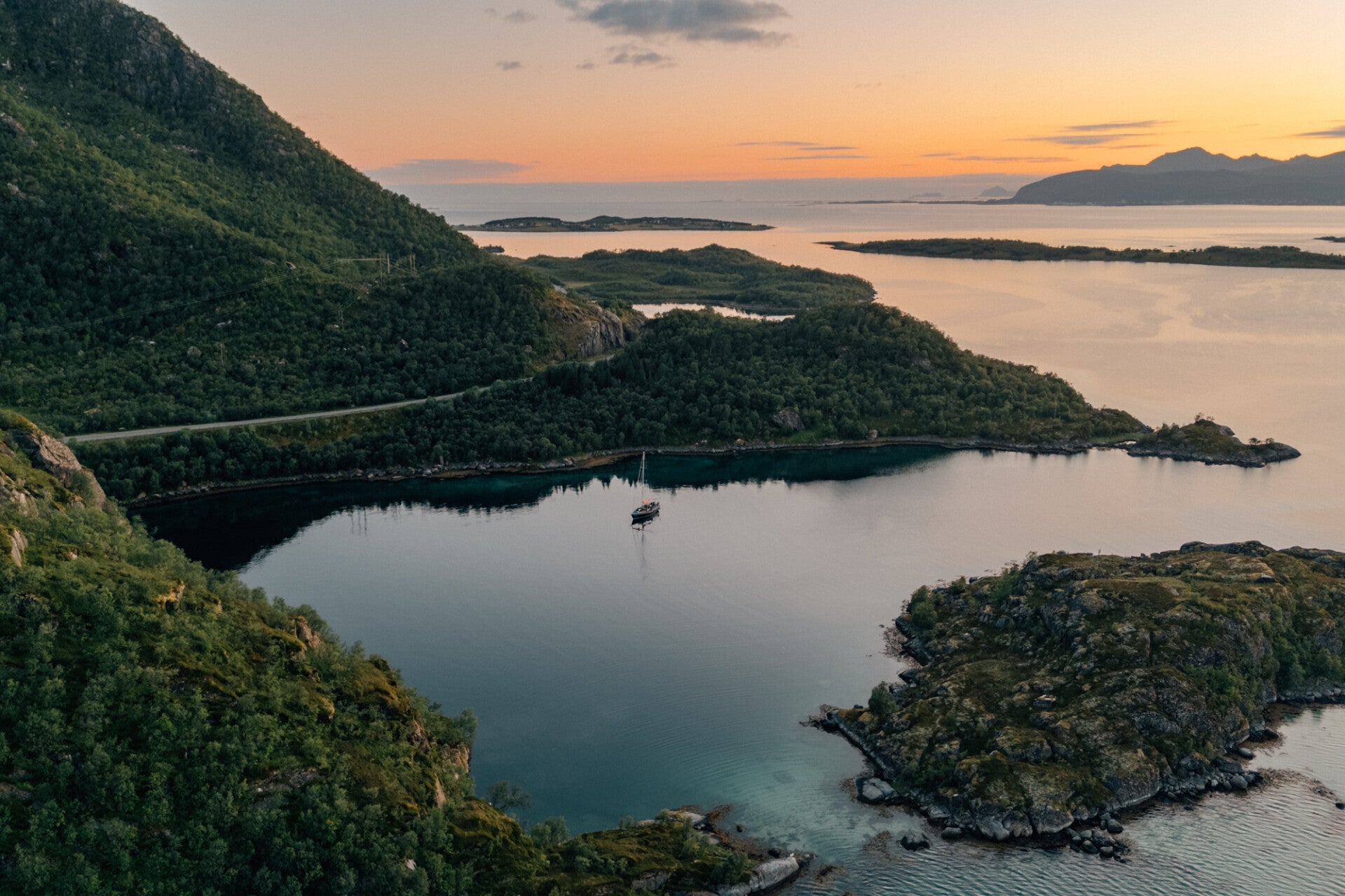
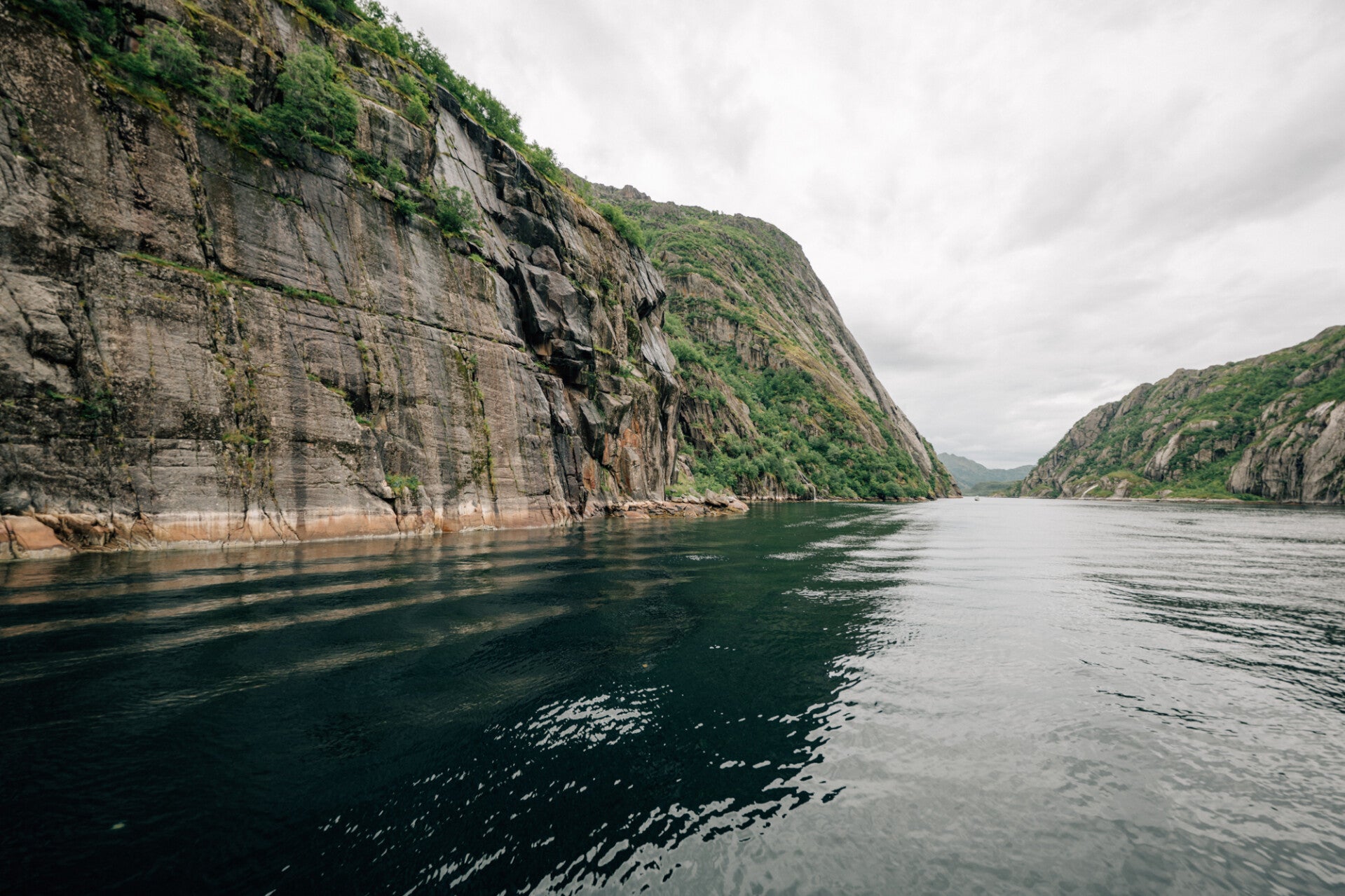
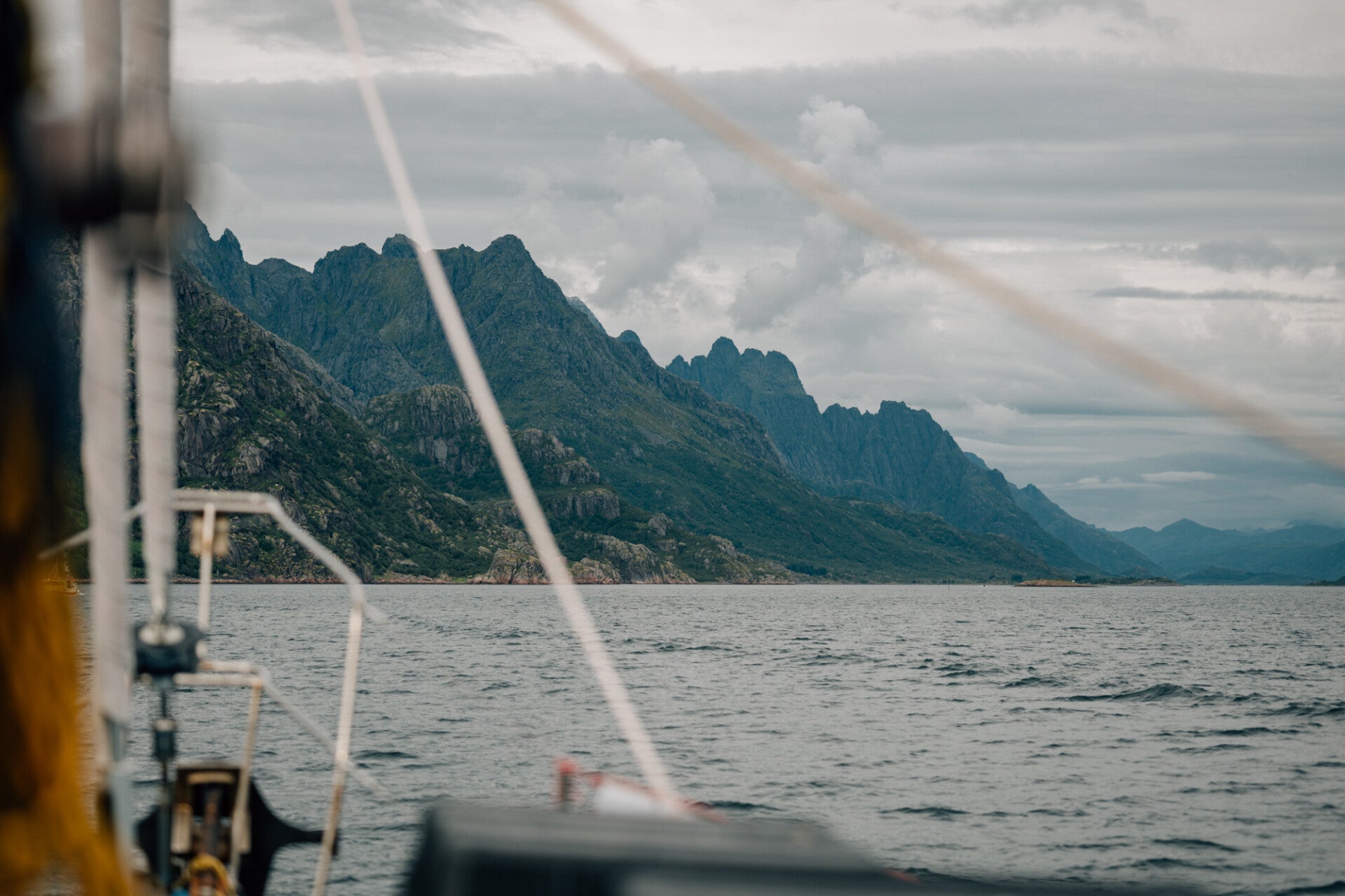
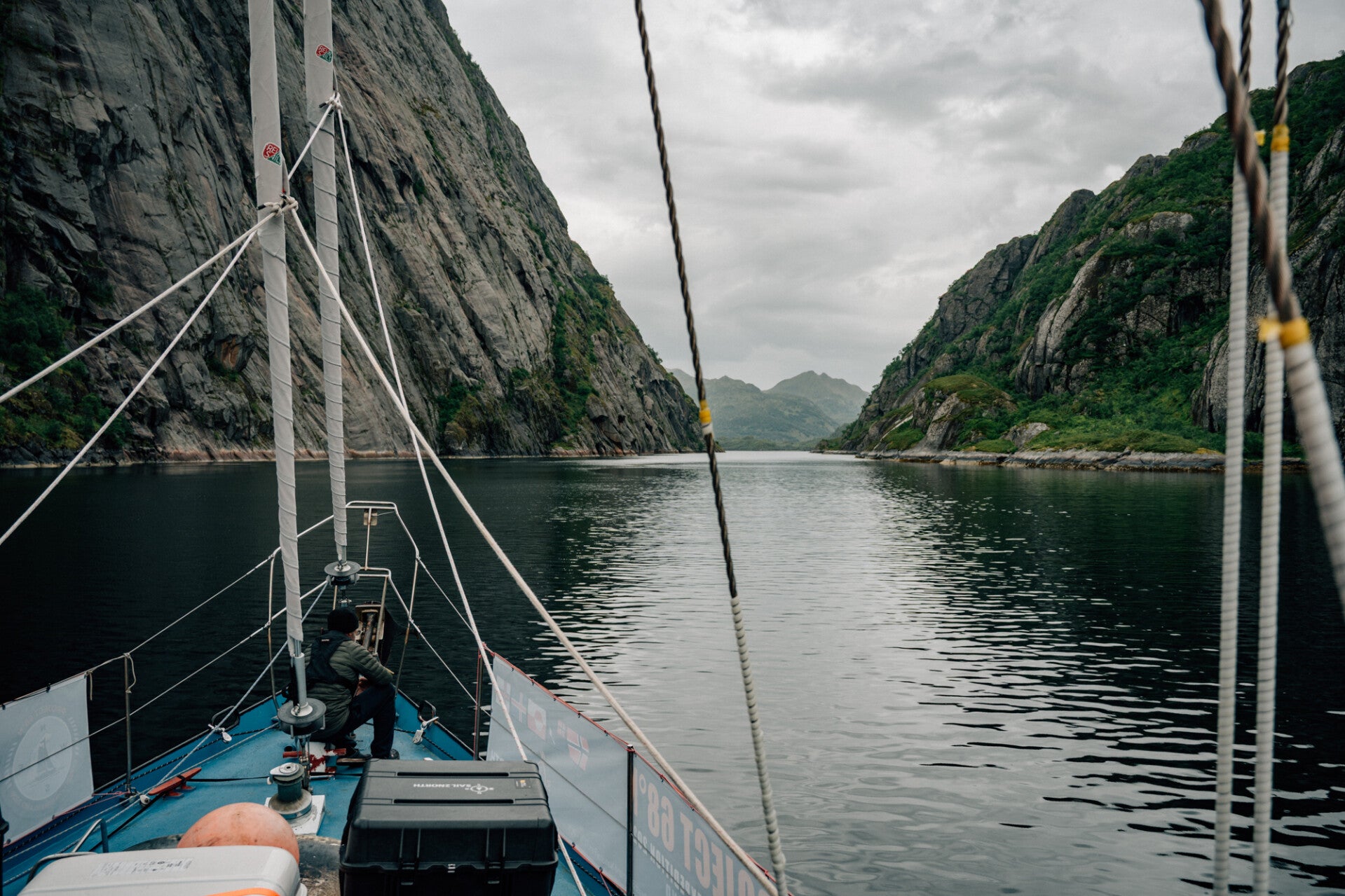
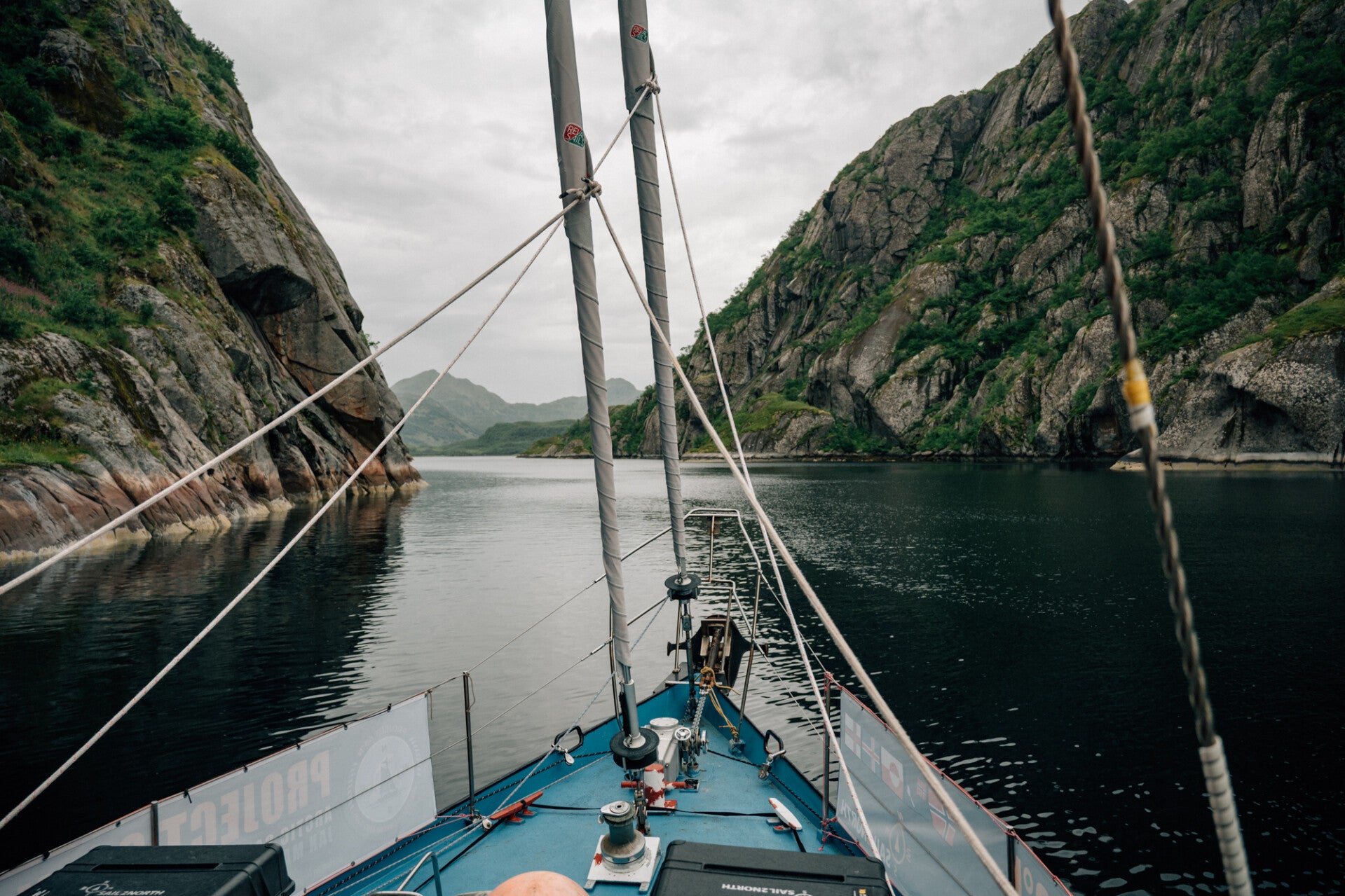
For now, we adapt. The vessel remains operational for coastal sailing, with careful monitoring and appropriate precautions. As a crew, we have decided to spend the next three weeks sailing south along the Norwegian coast. Instead of crossing an ocean, we will explore a coastline. Instead of isolation in the high Arctic, we will experience a different kind of remoteness, one shaped by fjords, weather, and time together on board.
The boat is filled with emotion: disappointment, reflection, but also resilience.
As expedition leader and skipper, I choose to look forward with a positive mindset. This is not the end of the journey. It is a change of course.
And sometimes, resposible seamanship is exactly that.
Andy, Skipper and Expedition Leader

Add comment
Comments