

The myth of freedom
Like you just leave. Head north. Do something different. Something outside the norm.
And yes, that’s part of it. That’s exactly why I do this. I don’t want predefined paths. I don’t want standardized experiences. I want the edges. The places where things are not scripted.
Something a bit more maverick!
The reality nobody talks about
But the moment you decide to actually do it, reality hits, and it’s the opposite.
You enter a world of structure. Rules. Systems. Permits.
Not one permit. Dozens!
Different countries. Different authorities. Different logic every time.
It’s not freedom first. It’s administration first.
Safety isn’t simple
Take something as basic as safety.
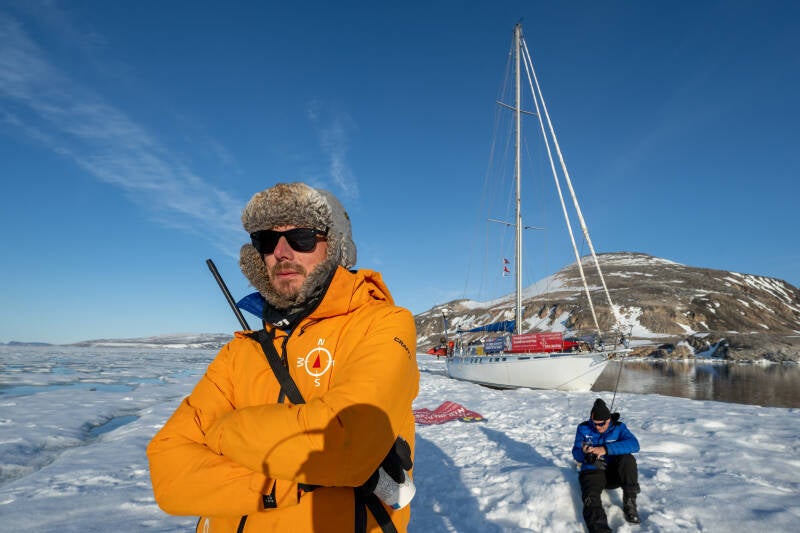
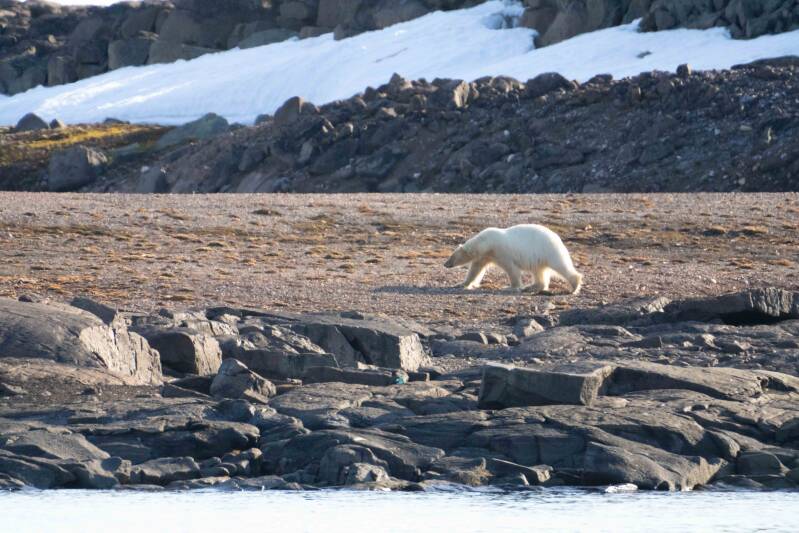
In polar regions, safety means being prepared for polar bears. Which means firearms.
Sounds simple. It isn’t!
You don’t just “get a rifle.” You go through background checks. In my case, in Switzerland, just to be allowed to buy one. Then you need a European firearms pass, a kind of passport for weapons, so you can legally move them across borders and bring them back.
That’s already layers deep.
Crossing borders with reality
Then comes the real game: moving through the system.
At Zurich airport, you need permission just to present the weapons to federal police. Another permit to transport them. And then separate approvals for every single flight. Zurich to Oslo. Oslo to Bodø. Further north. Each leg, its own authorization.
No shortcuts!
Entering places that aren’t built for you
And then you reach places that are not designed for easy access. Greenland, for example. You don’t arrive at a normal port. There’s no standard customs process. So you need special approval just to bring the weapons in without going through normal procedures. That has to be cleared in advance with the Greenlandic police.
Nothing is default. Everything is negotiated.
Logistics goes deeper than expected
Then there’s medical. Not travel medicine. An expedition medicine.
Supplies coming from the UK directly to the boat. That requires an agent, documentation, and proof that the vessel is not under any international sanctions. Not the owner. Not even related parties.
You realize quickly: this is not about gear. It’s about compliance.
Controlled wilderness
Places like Jan Mayen look like pure wilderness. They’re not. They’re controlled.
You need permission from the station master just to be there. Stay longer than 24 hours? Another approval from the police. Want to move inland, land somewhere specific, or attempt something like Beerenberg? More permits. Even base camp requires permission. Before you even arrive, you need clearance to enter the 12-mile zone. While you’re there, you report daily. And even if everything is approved, access can be revoked at any time.
Because you’re not in control.
Greenland is another level
And then comes Greenland. This is where it becomes real. The national park alone is a multi-stage approval process. We’re still in the middle of it.
You submit everything. Full expedition plan. Crew list. Exact routes. Activities. Insurance. Medical readiness. And then the personal layer. Who are you? What have you done before? What experience do you bring: sailing, ice, land expeditions? Who is trained for what? Who handles weapons?
Why are you going? Which radio, satellite phone, tracking do you have?
They want the full picture.
The paradox of going beyond
So yes, an expedition is about breaking out of the norm. But here’s the truth: You don’t escape the system. You go through it. Step by step. Approval by approval. Layer by layer.
Until you reach a place where the system ends.
That’s the real expedition
And that contrast, that tension between control and freedom.
That’s actually part of the expedition itself.
Andy Fitze, Skipper
Add comment
Comments